Photo h_laca, CC BY 3.0, Wikimedia Commons
Old townEger, Heves County, Hungary

Eger: what to see, map and route

Eger Castle and Old Town. In the Turi app, the same map shows your position, guides you from point to point and lets you tick off the places you’ve visited.

7points to see
6on the recommended route
approx. 4 hvisiting

Before you go

approx. 4 hat an easy pace, with breaks
2toilets on the map
free entrymuseums and towers have separate tickets
The walk starts at the basilica, leads across Dobó Square and ends at the castle, which you reach uphill. The castle and the museums have separate tickets. Allow about four hours.
  • At home, open the place in Turi and tap “Save for offline”: the map, descriptions and photos will work without signal.
  • Visit the farthest points first, while you still have energy.
  • Tick things off as you go, and by the exit you’ll know what’s left.

Eger in the Turi app

Live position, a route from point to point, descriptions to read and listen to. Free, no account, in 12 languages.

Get it for Android

Map of the place

The same map as in the app. Tap a point to see its photo and description; in Turi you’ll see yourselves on it too.

Map: Eger
1recommended, in route orderother pointsWCtoilets, food, tickets

Something not right? Report it in the app at that point.

Worth seeing

Eger is a Baroque town at the foot of the Bükk Mountains in northern Hungary. It became famous for the defence of its castle against the Turks in 1552, and from Ottoman times it has kept the northernmost minaret in Europe. The area around Eger is a well-known wine region.

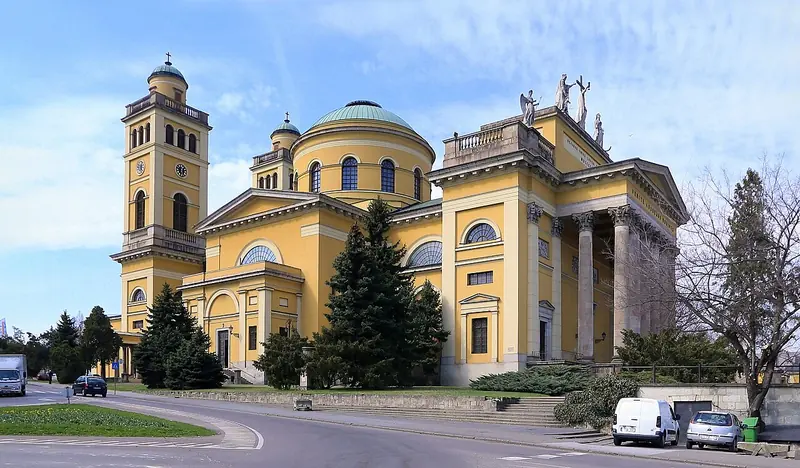
Eger BasilicaPhoto Thaler Tamas, CC BY-SA 4.0, Wikimedia Commons1
Attraction

Eger Basilica

Eger Basilica is one of the largest churches in Hungary. It was built in 1831-1836 in the Neoclassical style to a design by József Hild, on the initiative of Archbishop János László Pyrker. Its towers are 55 metres tall and its dome is 37 metres high. The sculptures by the steps were made by the Italian Marco Casagrande.

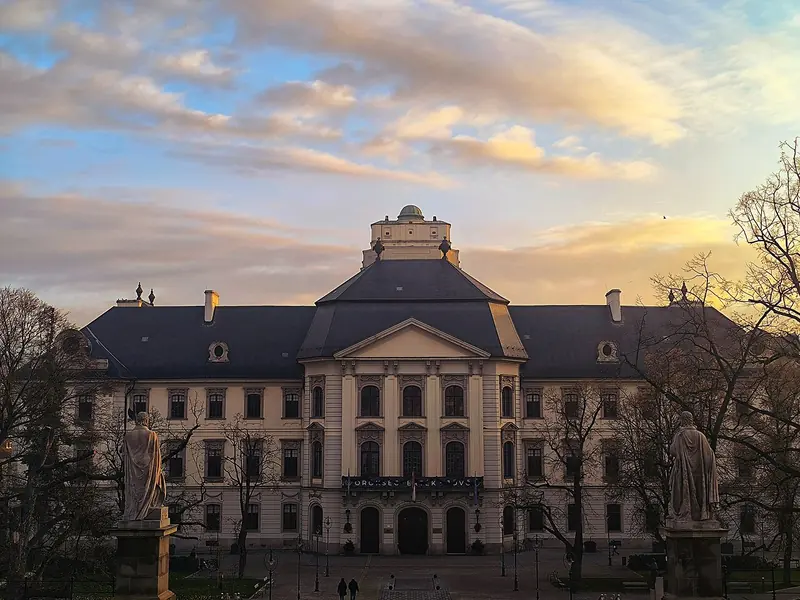
Lyceum and the Eye of EgerPhoto Maróthy Ádám, CC BY 4.0, Wikimedia Commons2
Attraction

Lyceum and the Eye of Eger

The great Baroque building opposite the basilica was begun in 1761 by Bishop Ferenc Barkóczy, who intended it for a university, and completed by Bishop Károly Eszterházy. In 1776 an astronomical observatory opened in its eight-storey tower. The library is decorated with a fresco by Franz Sigrist from 1794, and at the top of the tower there is a camera obscura called the Eye of Eger (Eger szeme).

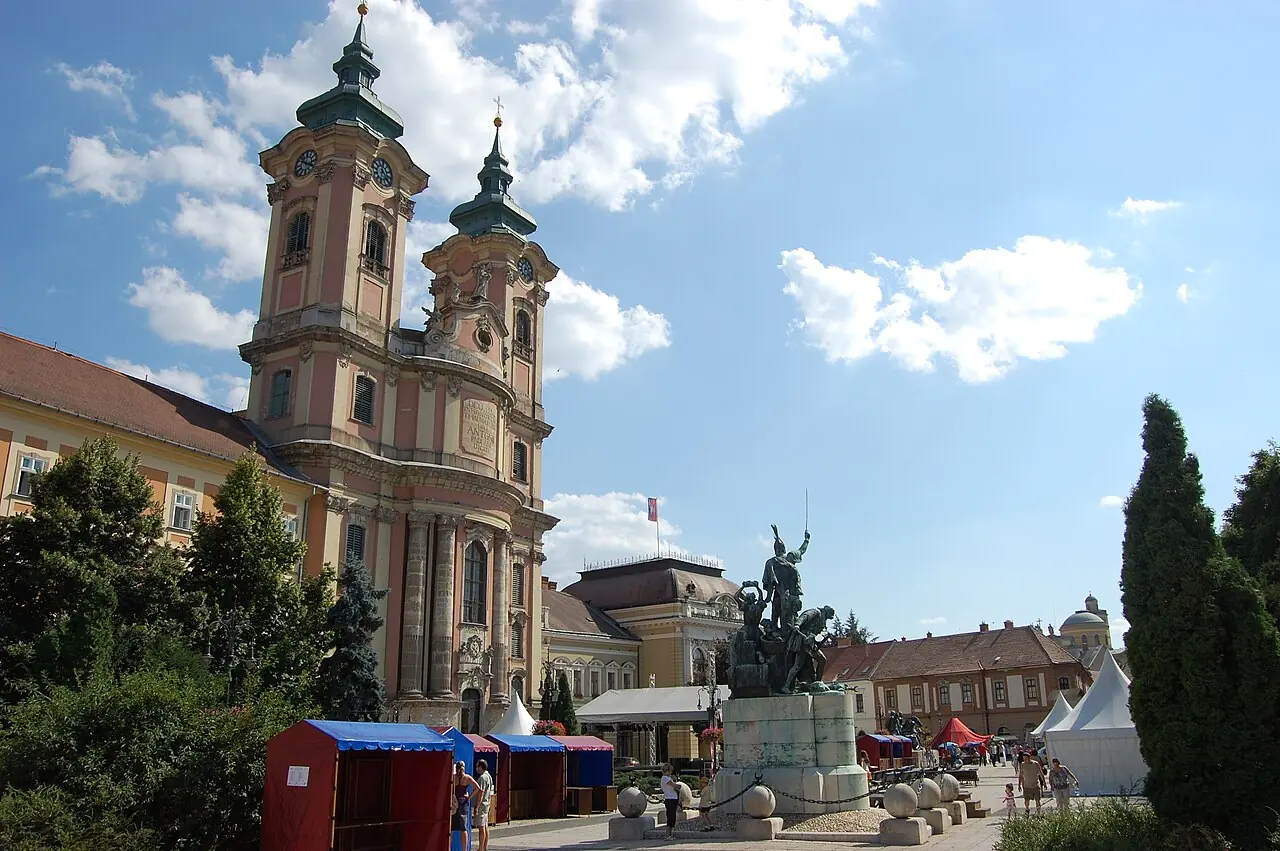
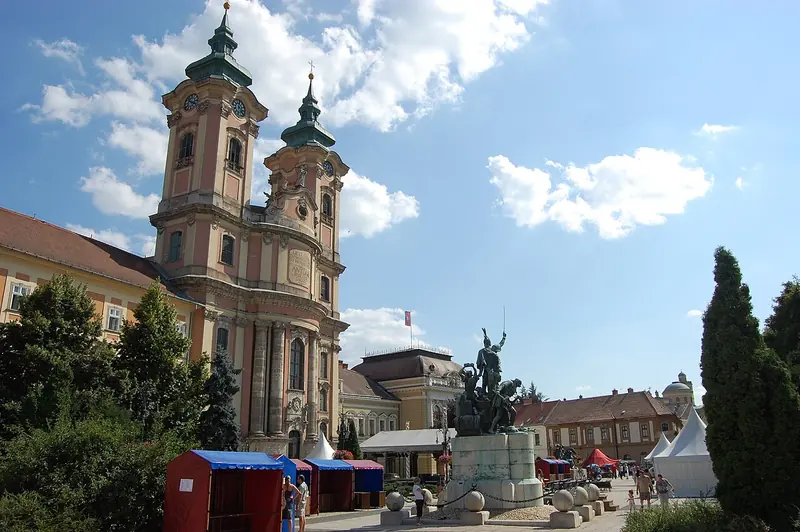
Dobó SquarePhoto h_laca, CC BY 3.0, Wikimedia Commons3
Attraction

Dobó Square

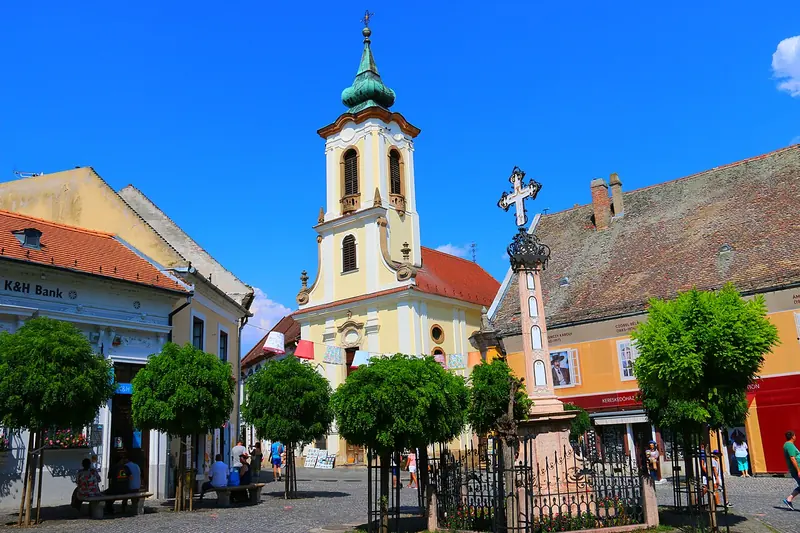
Eger's main square is named after István Dobó, the captain who defended the castle against the Turkish army in 1552. On the south-eastern side stand the Baroque Minorite Church of Saint Anthony of Padua from 1758-1772, the Minorite friary and the town hall. The Eger stream flows through the square, and the part beyond the stream is called Little Dobó Square.

MinaretPhoto Mrcsifkin, CC BY-SA 3.0, Wikimedia Commons4
Attraction

Minaret

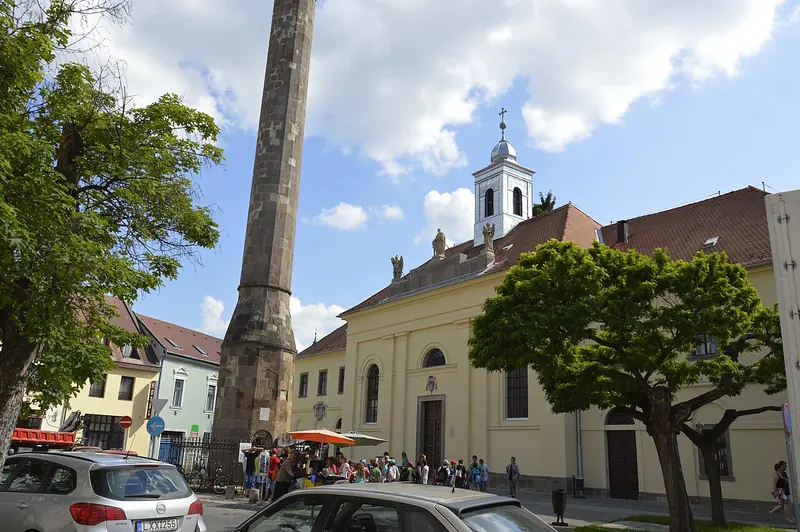
This minaret from the early 17th century is the northernmost Ottoman building in Europe and the tallest of the three surviving minarets in Hungary. Of the ten minarets the Turks built in Eger during their 91 years of rule, only this one has survived. After the town was recaptured in 1687, people tried to pull it down with 400 oxen, but they failed. A flight of 98 narrow, high steps leads up to the balcony at a height of 26 metres.

Eger CastlePhoto Antissimo, CC BY-SA 4.0, Wikimedia Commons5
Attraction

Eger Castle

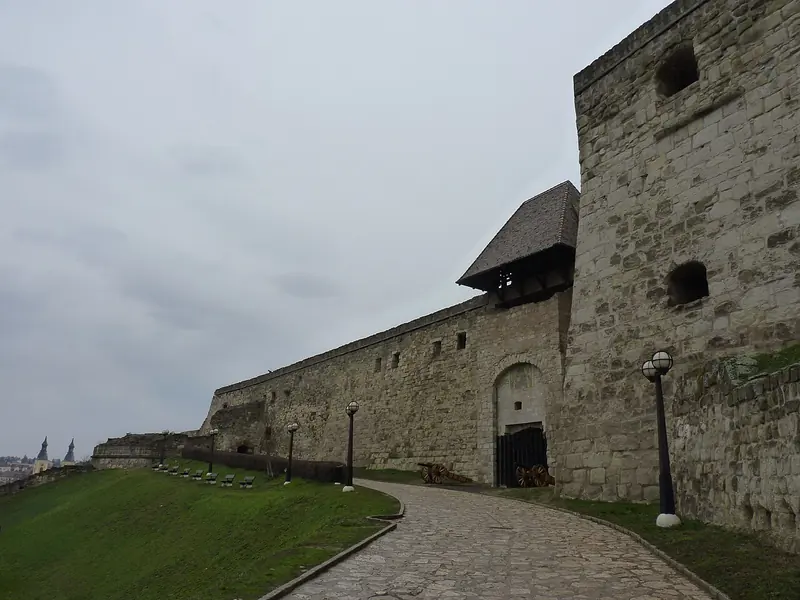
The castle became famous for its defence in 1552: the garrison under Captain István Dobó held off a far larger Ottoman army. The way in leads through the Varkoch Bastion, built in 1542 to a design by Alessandro Vedani. In 1596, however, the castle surrendered to Sultan Mehmed III and stayed in Turkish hands for 91 years.

Gothic Palace and Gárdonyi's GravePhoto Antissimo, CC BY-SA 4.0, Wikimedia Commons6
Attraction

Gothic Palace and Gárdonyi's Grave

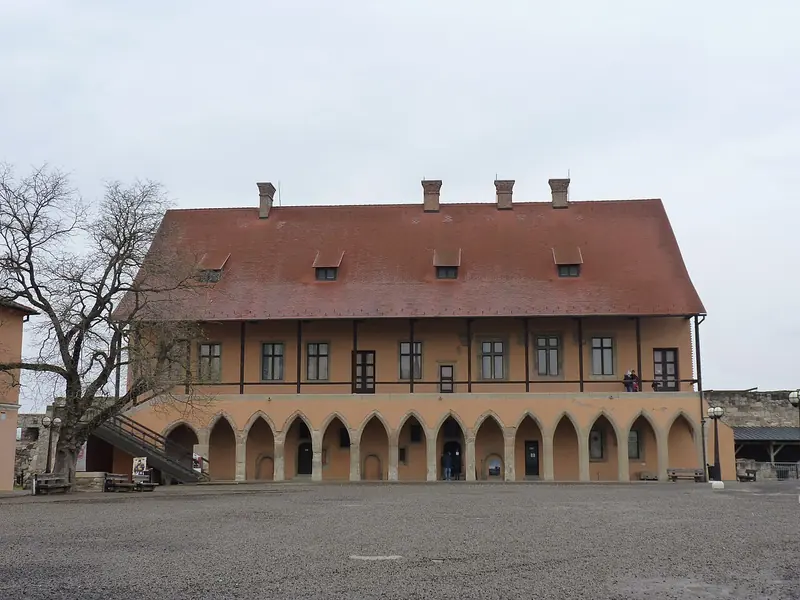
The Gothic Bishop's Palace in the castle courtyard houses the István Dobó Castle Museum. The castle is also home to the grave of the writer Géza Gárdonyi, author of a novel about the defence of Eger that is required school reading in Hungary.

All points (9)

Grouped as in the map legend. A star marks recommended points.

Attraction 7
Eger Basilica ★Eger Basilica is one of the largest churches in Hungary. It was built in 1831-1836 in the Neoclassical style to a design by József Hild, on the initiative of Archbishop János László Pyrker. Its towers are 55 metres tall and its dome is 37 metres high. The sculptures by the steps were made by the Italian Marco Casagrande.
Lyceum and the Eye of Eger ★The great Baroque building opposite the basilica was begun in 1761 by Bishop Ferenc Barkóczy, who intended it for a university, and completed by Bishop Károly Eszterházy. In 1776 an astronomical observatory opened in its eight-storey tower. The library is decorated with a fresco by Franz Sigrist from 1794, and at the top of the tower there is a camera obscura called the Eye of Eger (Eger szeme).
Dobó Square ★Eger's main square is named after István Dobó, the captain who defended the castle against the Turkish army in 1552. On the south-eastern side stand the Baroque Minorite Church of Saint Anthony of Padua from 1758-1772, the Minorite friary and the town hall. The Eger stream flows through the square, and the part beyond the stream is called Little Dobó Square.
Minaret ★This minaret from the early 17th century is the northernmost Ottoman building in Europe and the tallest of the three surviving minarets in Hungary. Of the ten minarets the Turks built in Eger during their 91 years of rule, only this one has survived. After the town was recaptured in 1687, people tried to pull it down with 400 oxen, but they failed. A flight of 98 narrow, high steps leads up to the balcony at a height of 26 metres.
Eger Castle ★The castle became famous for its defence in 1552: the garrison under Captain István Dobó held off a far larger Ottoman army. The way in leads through the Varkoch Bastion, built in 1542 to a design by Alessandro Vedani. In 1596, however, the castle surrendered to Sultan Mehmed III and stayed in Turkish hands for 91 years.
Gothic Palace and Gárdonyi's Grave ★The Gothic Bishop's Palace in the castle courtyard houses the István Dobó Castle Museum. The castle is also home to the grave of the writer Géza Gárdonyi, author of a novel about the defence of Eger that is required school reading in Hungary.
Archbishop's PalaceThe palace of the bishops, and later the archbishops, of Eger replaced the medieval residence in the castle. The first wings, from 1715-1732, were designed by Giovanni Battista Carlone, and Bishop Károly Eszterházy extended the palace in 1761-1775. Today it houses a visitor centre.
Toilets / tickets / parking 2
Public toilet
Public toilet
EgerGet Turi