Photo Abraham, CC BY-SA 4.0, Wikimedia Commons
ZooChorzów, Silesia, Poland

Silesian Zoo in Chorzów with children: what to see, map and route

Silesian Zoological Garden (Śląski Ogród Zoologiczny). In the Turi app, the same map shows your position, guides you from point to point and lets you tick off the places you’ve visited.

36points to see
18on the recommended route
approx. 4 h 30 minvisiting with children

Before you go

approx. 4 h 30 minat an easy pace, with breaks
5toilets on the map
8places to eat
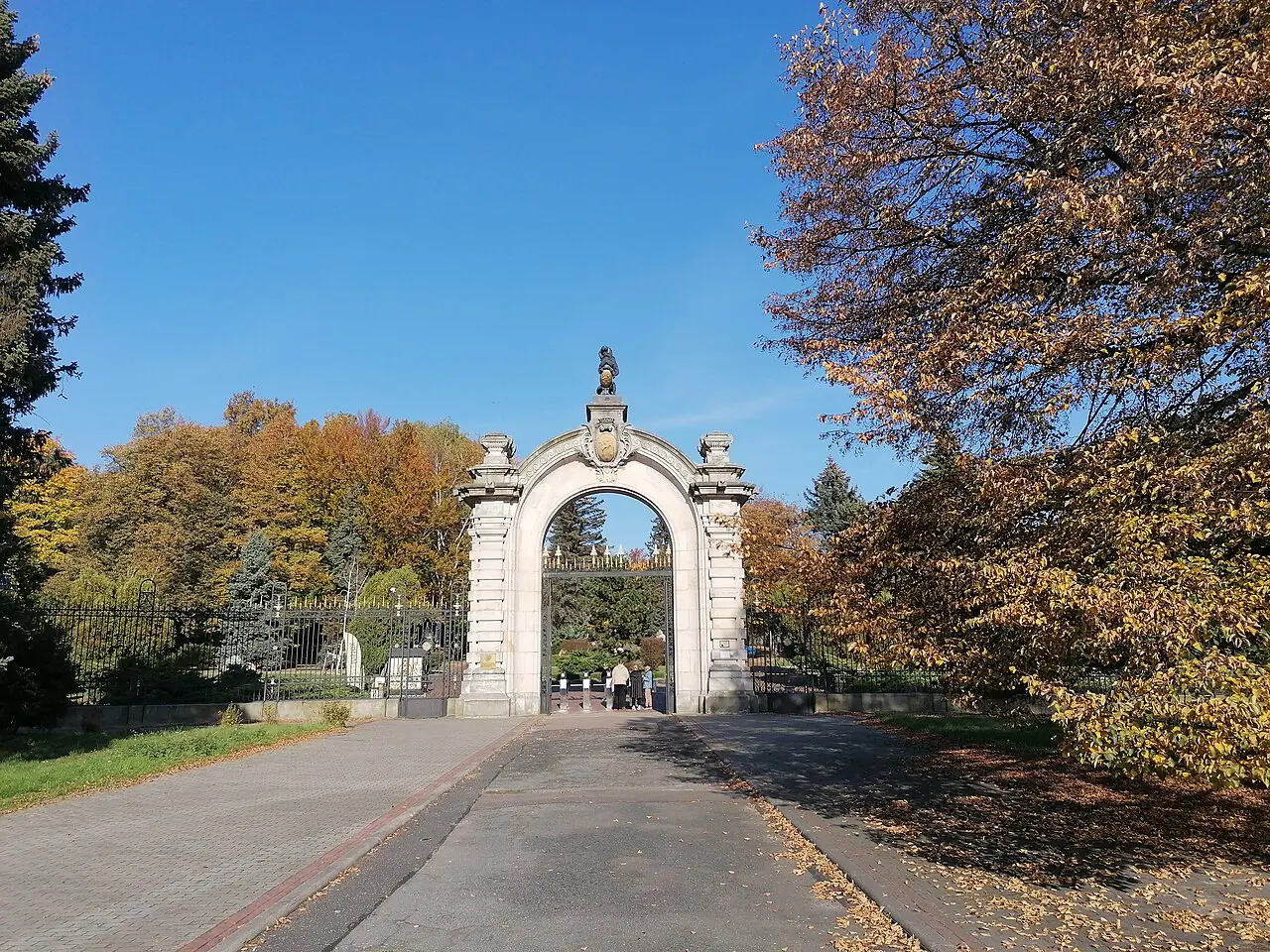
You enter the zoo through the main gate on the Silesian Park side or through the side gate with ticket machines; from both gates the zoo has marked out a route called ‘Dookoła zoo’ (Around the Zoo). Pushchairs are allowed, bikes and scooters are left in the racks by the gates, and there is a parent and baby room in the toilet building by the side entrance. The zoo has no car park of its own; the nearest ones are on ul. Złota in Katowice.
  • At home, open the place in Turi and tap “Save for offline”: the map, descriptions and photos will work without signal.
  • Visit the farthest points first, while you still have energy.
  • Tick things off as you go, and by the exit you’ll know what’s left.

Silesian Zoo in Chorzów in the Turi app

Live position, a route from point to point, descriptions to read and listen to. Free, no account, in 12 languages.

Get it for Android
9:41
Silesian Zoo in Chorzów in the Turi app: map with the visiting route
In the app

This is Silesian Zoo in Chorzów in Turi

The same map, but with your position and a route from point to point. The phone tells you where to go, how much is left and where the nearest toilet is.

  • A recommended route to start with, or your own plan for the time you have
  • Descriptions to read and listen to, also as an audio guide when you reach a point
  • Stamps in the explorer passport for visit milestones
Get Turi for Android

Map of the place

The same map as in the app. Tap a point to see its photo and description; in Turi you’ll see yourselves on it too.

Map: Silesian Zoo in Chorzów
1recommended, in route orderother pointsWCtoilets, food, tickets

Map: OpenStreetMap (ODbL) and BDOT10k GUGiK, checked against aerial photos. Descriptions and photos: Turi and Wikimedia Commons. Something not right? Report it in the app at that point.

Worth seeing

The Silesian Zoological Garden lies in Silesian Park, on the border of Chorzów and Katowice, and covers more than 47 ha. It opened in 1958, and today it is home to over 200 animal species, from Indian elephants, white rhinos and giraffes to Humboldt penguins, red pandas and snow leopards. Pavilions such as the Elephant House, the Rainforest, the Egzotarium and the Aquarium mean you can visit on cold days too. The Dinosaur Valley from 1975 is something special: 16 life-size models recreated from fossils dug up by Polish palaeontologists in the Gobi Desert.

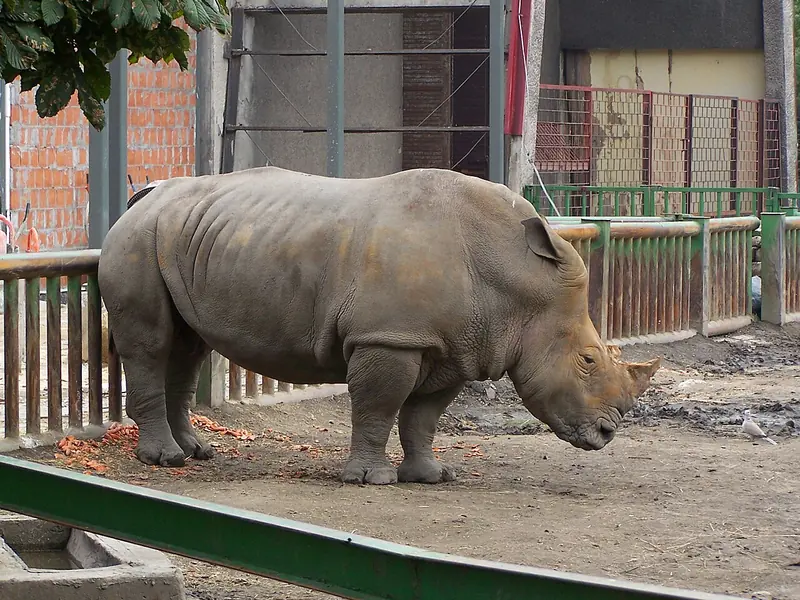
White rhinosPhoto Lestat (Jan Mehlich), CC BY-SA 3.0, Wikimedia Commons1
Animals

White rhinos

White rhinos come from Africa south of the Sahara and, despite their name, they are grey. They have a square upper lip, a hump on their back and two horns, the front one longer. At the beginning of the 20th century only a few dozen were left; today there are more than 10,000. Three live at the Silesian Zoo: Nambi, Zulus and Hope. They love mud baths that last several hours.

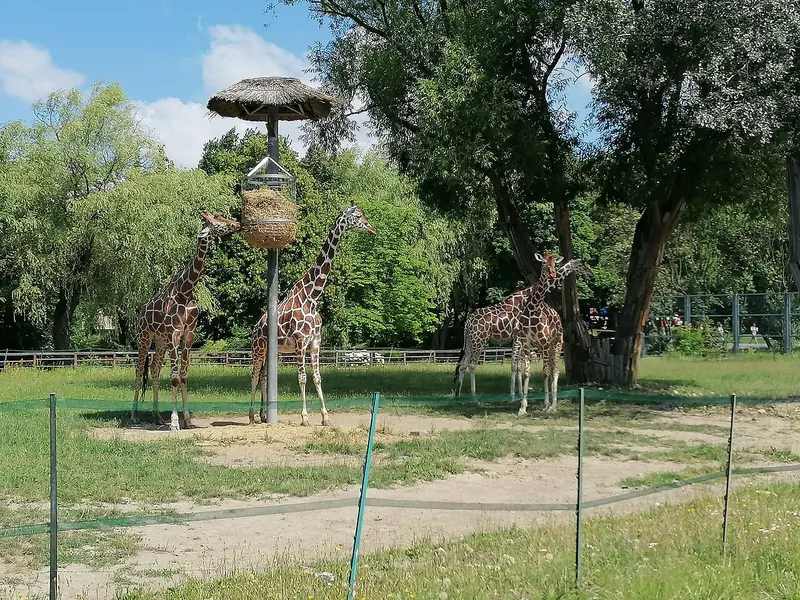
Giraffes and zebrasPhoto Abraham, CC BY-SA 4.0, Wikimedia Commons2
Animals

Giraffes and zebras

The reticulated giraffe from East Africa is the tallest mammal in the world, and its chestnut patches are separated by thin pale lines, like a net. Eight giraffes live in Chorzów: the females Liani, Lindani and Lunani, the male Iroko and their young, the youngest born in 2025. They share their paddock with zebras, and the new giraffe house stands right next to it.

RainforestPhoto Abraham, CC BY 4.0, Wikimedia Commons3
Animals

Rainforest

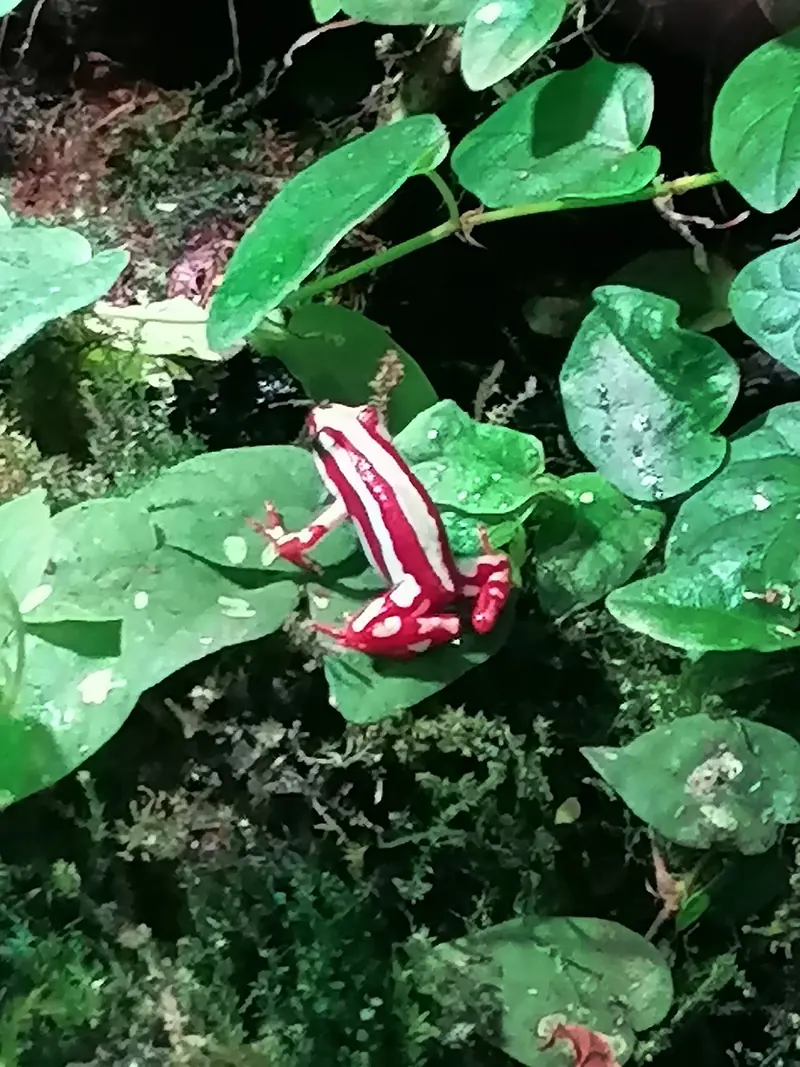
A South American rainforest pavilion full of reptiles, amphibians and treetop animals. It is home to a giant anteater, which walks on its knuckles to protect its long claws, a two-toed sloth, a green anaconda, black howler monkeys and emperor tamarins with long white moustaches. Look in the terrariums for tiny, brightly coloured poison dart frogs.

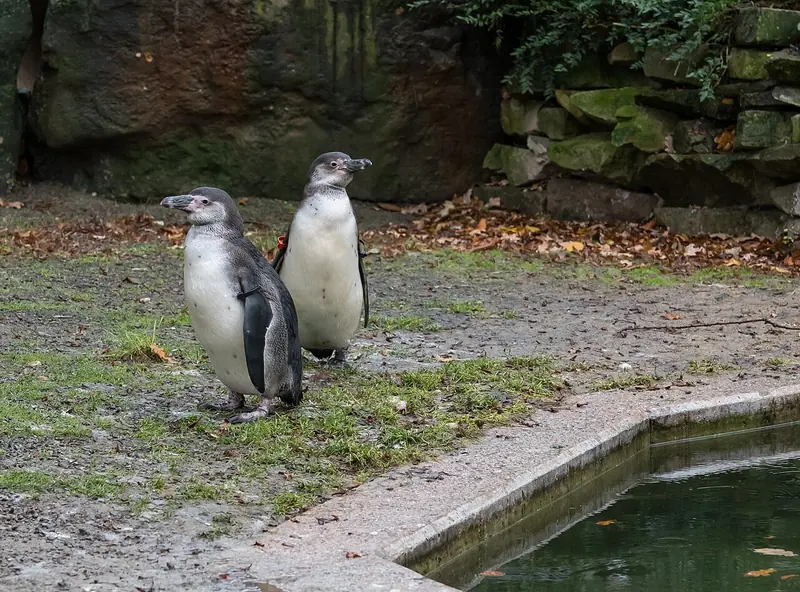
Humboldt penguinsPhoto Basotxerri, CC BY-SA 4.0, Wikimedia Commons4
Animals

Humboldt penguins

Humboldt penguins come from the coasts of Peru and Chile, where they live in small colonies. It is a vulnerable species. Their exhibit, a pool surrounded by rocks, is one of the newer ones at the zoo.

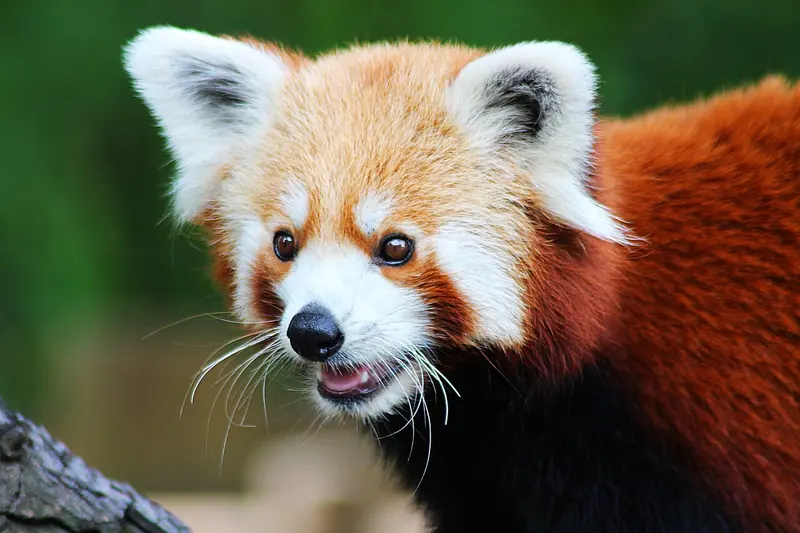
Red pandaPhoto Magdalena Smyczek, CC BY 4.0, Wikimedia Commons5
Animals

Red panda

The red panda comes from the Himalayas: southern China, Nepal, northern India and Myanmar. It spends most of its time in the treetops, and its long tail helps it keep its balance. Red pandas have lived at the Silesian Zoo since 2015; the current residents are Ping, Lasya and their offspring Oshi. They are most active in the evening.

EgzotariumPhoto MOs810, CC BY-SA 4.0, Wikimedia Commons6
Animals

Egzotarium

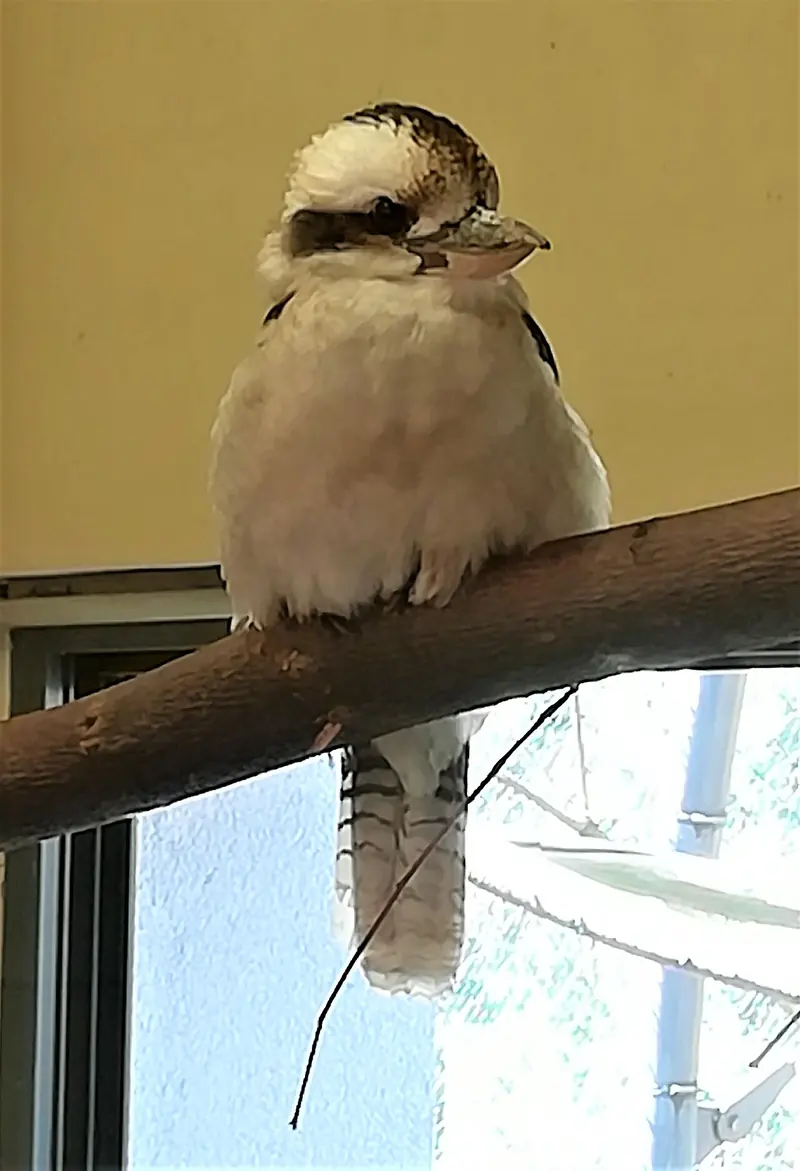
Most of the pavilion is taken up by a free-flight hall, where birds such as Bali mynas, Pekin robins and diamond doves fly freely. You enter it through a corridor with terrariums of African dwarf crocodiles, which have a short, blunt snout and teeth for crushing shells. In the second part there are snakes and Australian birds, and a laughing kookaburra lives next to the pavilion. Inside, there is a one-way route.

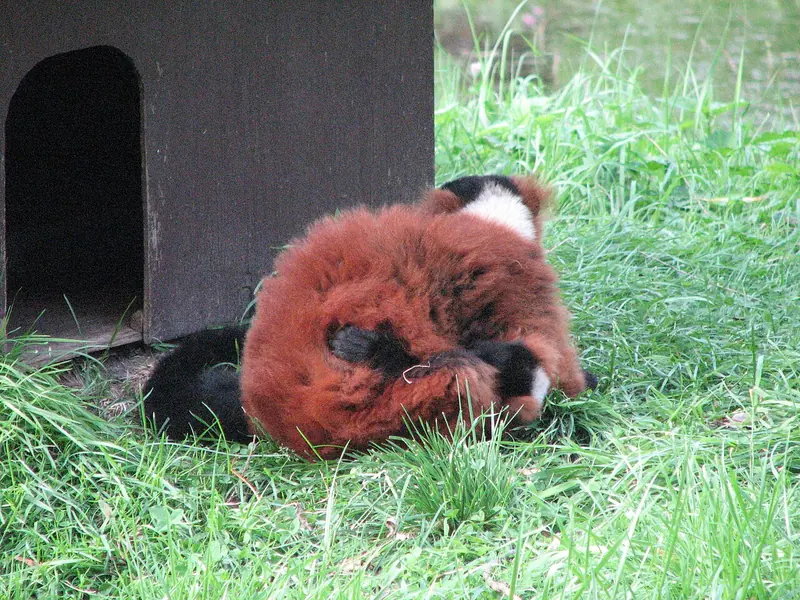
LemursPhoto Abraham, CC BY-SA 4.0, Wikimedia Commons7
Animals

Lemurs

Lemurs from Madagascar live in the enclosure by the ponds. The ring-tailed lemur has a tail with black and white rings and spends more time on the ground than other lemurs. The red ruffed lemur comes from the Masoala Peninsula, usually sits high up in the treetops and is critically endangered.

CheetahsPhoto Alexander Klink, CC BY 4.0, Wikimedia Commons8
Animals

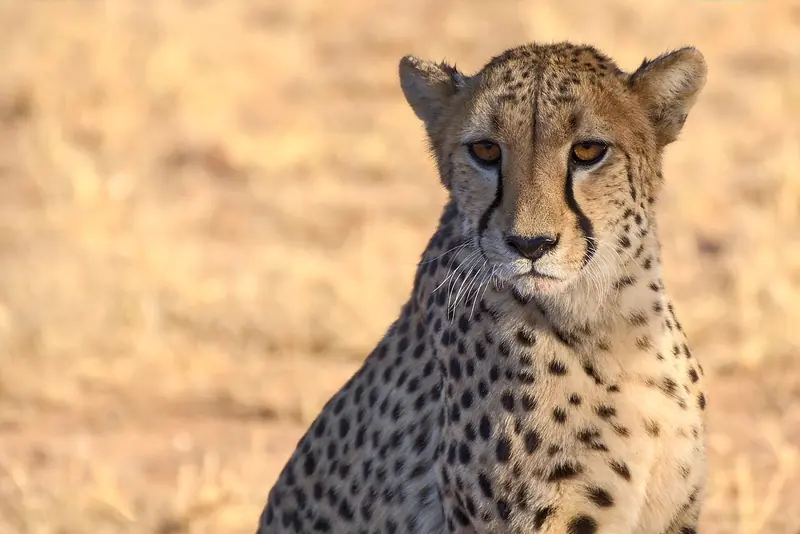
Cheetahs

The cheetah is a master of the chase: it runs down its prey at high speed, and a chase usually lasts less than a minute. Afterwards it has to rest, and other predators take advantage of this to steal its catch. In 2011 cheetah cubs were born in Chorzów for the first time, four of them, and in 2019 the male Ignis and the female Mambo had two daughters.

Parrot WorldPhoto Abraham, CC BY-SA 3.0, Wikimedia Commons9
Animals

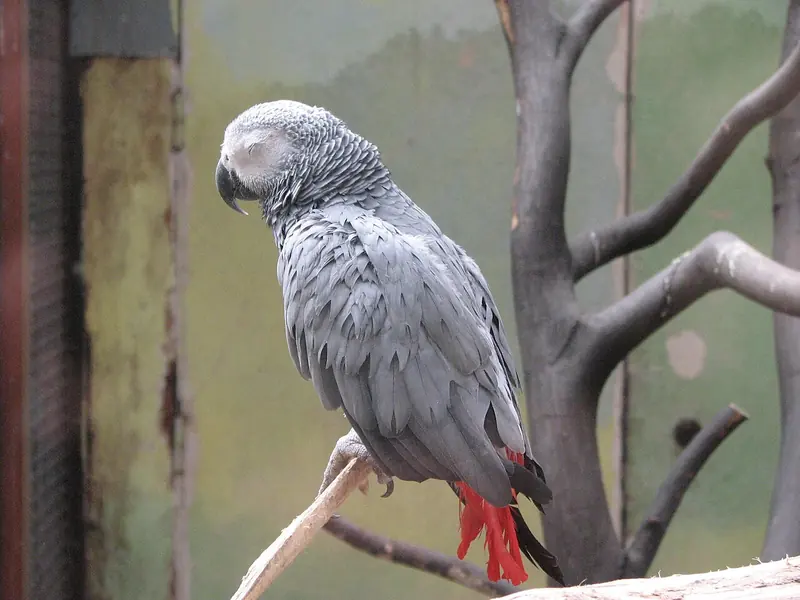
Parrot World

The middle wing of the Monkey House consists of seven large aviaries with indoor and outdoor sections, so in good weather you can see the parrots without going inside. Here live macaws, including blue-and-yellow macaws, Moluccan cockatoos, galahs and yellow-crested cockatoos, as well as grey parrots from the Congo, grey birds with a red tail.

Monkey HousePhoto Sanjay Acharya, CC BY-SA 4.0, Wikimedia Commons10
Animals

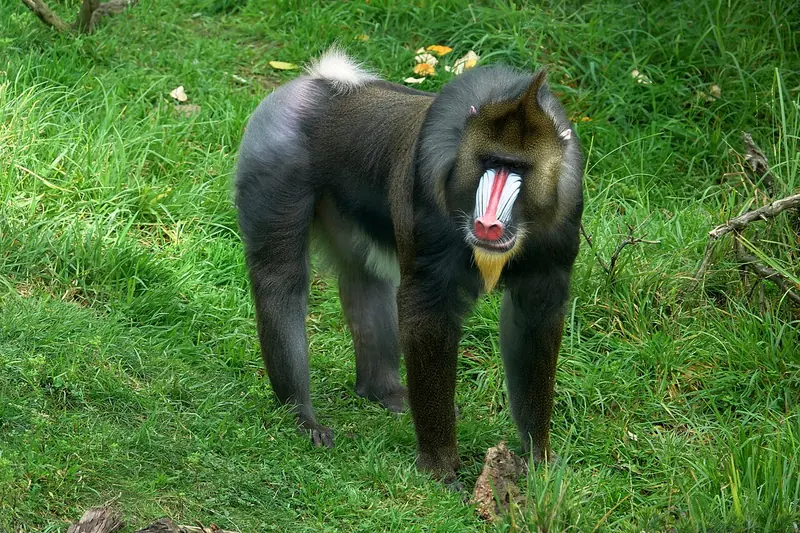
Monkey House

One of the oldest buildings in the zoo. The main wing and the enclosures next to it are home to monkeys: mandrills, whose males have red and blue faces, mantled guerezas, patas monkeys, golden lion tamarins and Mico marmosets. The side wing has terrariums with snakes, lizards and turtles, including green Madagascar day geckos.

Bactrian camels and llamasPhoto Oleksandr Dede, CC BY-SA 4.0, Wikimedia Commons11
Animals

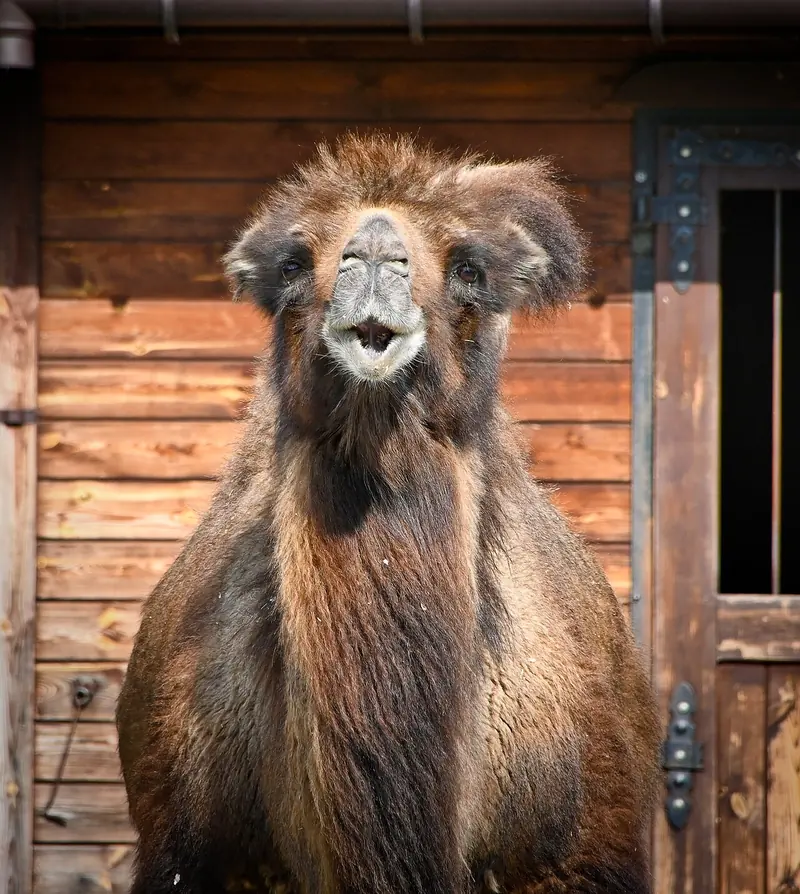
Bactrian camels and llamas

Bactrian camels come from Central Asia, mainly Mongolia and China. Their thick coat protects them from the frost, and in spring they shed it in whole patches. They can go several days without water, but at a watering hole they can drink as much as 120 litres. They share their paddock with llamas, which were domesticated in Peru about 6,000 years ago and spit when they get annoyed.

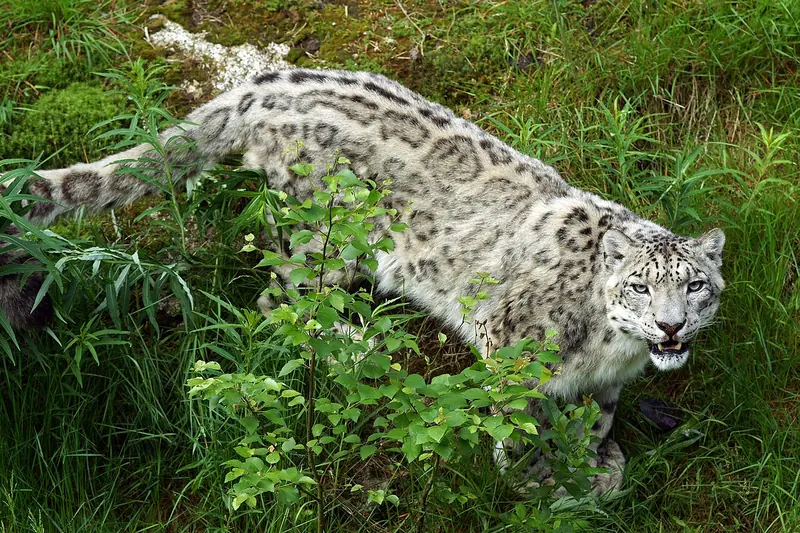
Snow leopardPhoto kallerna, CC BY-SA 3.0, Wikimedia Commons12
Animals

Snow leopard

The snow leopard lives in the mountains of southern and Central Asia. It has thick fur with dark rosettes, and its tail, up to 100 cm long, helps it keep its balance when leaping across steep rocks. It lies in wait and ambushes its prey. The enclosures for snow leopards, tigers and pumas were built under director Zygmunt Zieliński, who ran the zoo from 1971. Since 2021 the snow leopards have had a new facility with three enclosures.

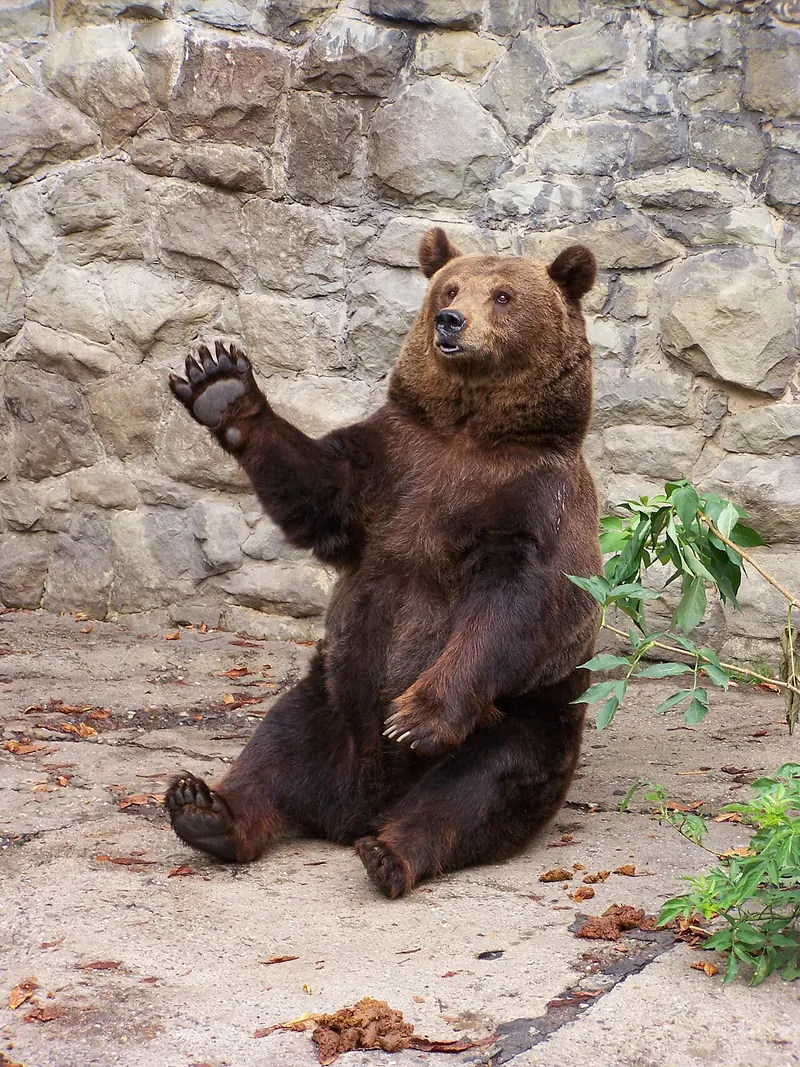
Brown bearPhoto Lestat (Jan Mehlich), CC BY-SA 3.0, Wikimedia Commons13
Animals

Brown bear

The brown bear lives in Eurasia and North America, and in Poland mainly in the Bieszczady and Beskid mountains. Despite its great weight it runs fast, swims and climbs trees. In winter it sleeps in a den, but it can wake up from this sleep. The enclosures for brown bears and Asian black bears were among the first in the zoo, built in 1958.

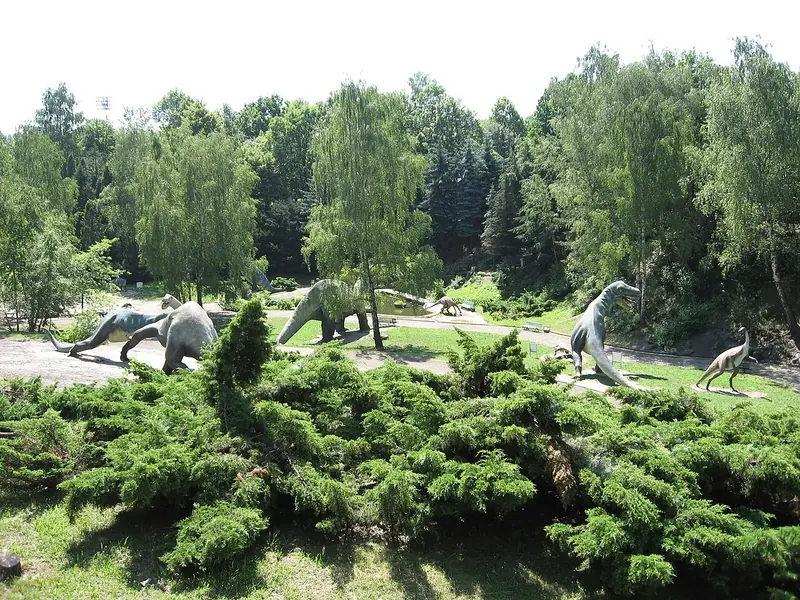
Dinosaur Valley (1975)Photo LUCPOL, CC BY-SA 2.5, Wikimedia Commons14
Attraction

Dinosaur Valley (1975)

This rocky dinosaur valley was created in 1975, and at the time it was the only exhibit of its kind in the country. It has 16 life-size models showing 7 species from the Gobi Desert: Tarbosaurus, Gallimimus, Nemegtosaurus, Saurolophus, Saichania, Protoceratops and Prenocephale. They commemorate the Polish-Mongolian expeditions of 1963-1971 led by Prof. Zofia Kielan-Jaworowska. Along the path there are also sculptures of Neanderthals.

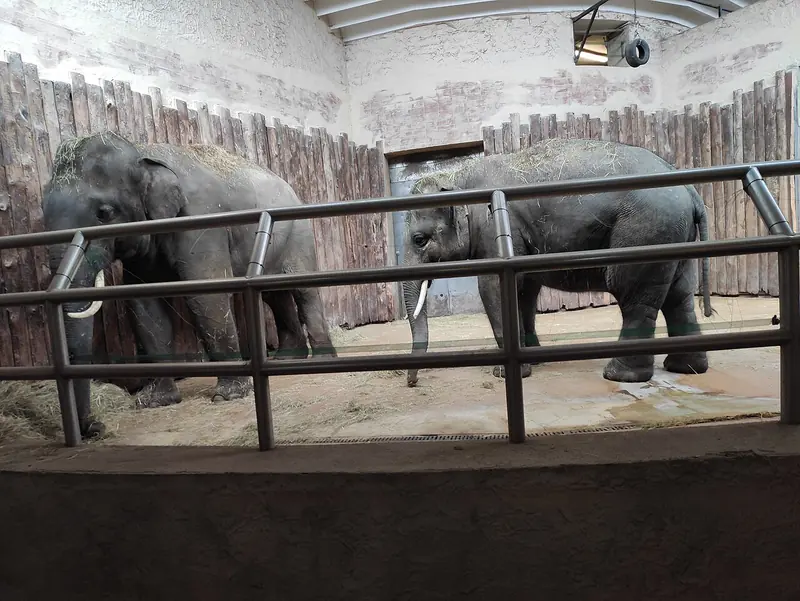
Elephant House (1965)Photo Fry72, Karel Frydrýšek, CC BY-SA 4.0, Wikimedia Commons15
Animals

Elephant House (1965)

This round pavilion opened in 1965 as a home for elephants and hippos. Today it houses Indian elephants, two young brothers called Scott and Ned. They spend most of the day in the paddock next to the building and come inside for the night. The pavilion also has terrariums with large lizards, snakes and turtles, including monitor lizards, a Cuban iguana and a boa constrictor.

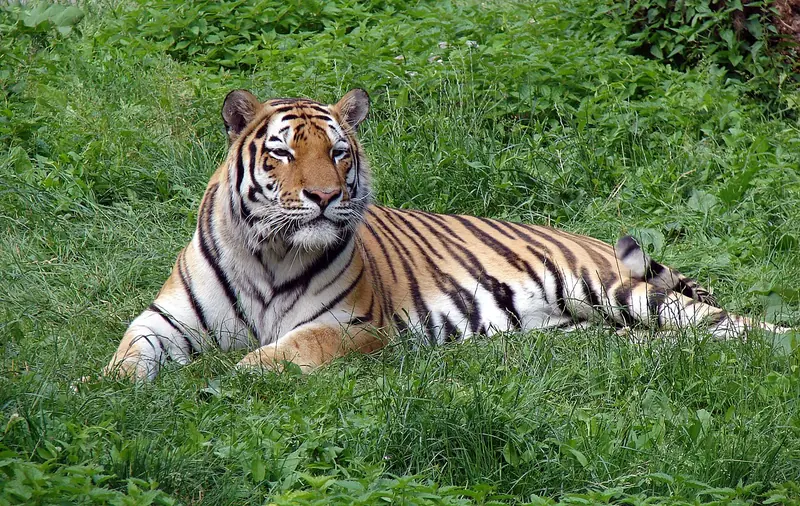
Amur tigersPhoto Chrumps, CC BY-SA 4.0, Wikimedia Commons16
Animals

Amur tigers

The Amur tiger comes from eastern Siberia, northern China and Korea. Every tiger has a different stripe pattern, like a human fingerprint. It is an excellent swimmer, and thanks to its long hind legs it can leap as far as 10 metres. It is most active in the evening and at night, so it often rests during the day.

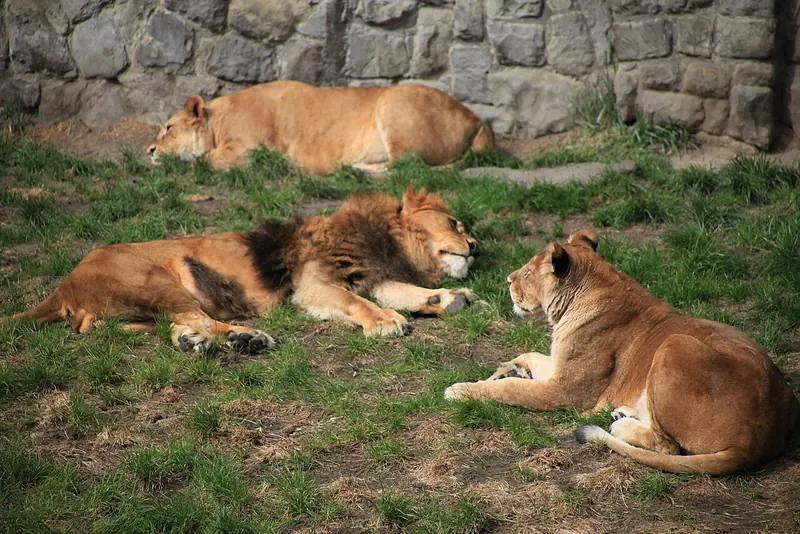
Angolan lionsPhoto Roton Piotr, CC BY-SA 3.0, Wikimedia Commons17
Animals

Angolan lions

Lions are the only big cats that live in groups: a dominant male with a mane is joined by several related females and their cubs. It is the females that find food, while the males defend the pride and rest a lot. The species is vulnerable, mainly because of habitat loss in Africa.

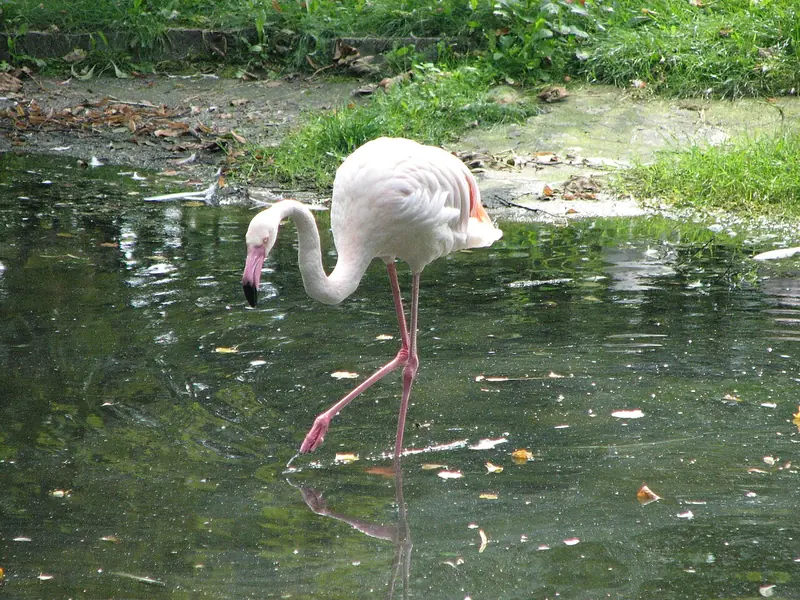
FlamingosPhoto Abraham, CC BY-SA 4.0, Wikimedia Commons18
Animals

Flamingos

Greater flamingos live in Africa, around the Mediterranean and the Black Sea, in the Middle East and in Central Asia. They have pale pink feathers and a bright pink bill and legs. In the wild they form large colonies, and when they feed they turn their heads upside down and filter food out of the water.

All points (52)

Grouped as in the map legend. A star marks recommended points.

Animals 32
White rhinos ★White rhinos come from Africa south of the Sahara and, despite their name, they are grey. They have a square upper lip, a hump on their back and two horns, the front one longer. At the beginning of the 20th century only a few dozen were left; today there are more than 10,000. Three live at the Silesian Zoo: Nambi, Zulus and Hope. They love mud baths that last several hours.
Giraffes and zebras ★The reticulated giraffe from East Africa is the tallest mammal in the world, and its chestnut patches are separated by thin pale lines, like a net. Eight giraffes live in Chorzów: the females Liani, Lindani and Lunani, the male Iroko and their young, the youngest born in 2025. They share their paddock with zebras, and the new giraffe house stands right next to it.
Rainforest ★A South American rainforest pavilion full of reptiles, amphibians and treetop animals. It is home to a giant anteater, which walks on its knuckles to protect its long claws, a two-toed sloth, a green anaconda, black howler monkeys and emperor tamarins with long white moustaches. Look in the terrariums for tiny, brightly coloured poison dart frogs.
Humboldt penguins ★Humboldt penguins come from the coasts of Peru and Chile, where they live in small colonies. It is a vulnerable species. Their exhibit, a pool surrounded by rocks, is one of the newer ones at the zoo.
Red panda ★The red panda comes from the Himalayas: southern China, Nepal, northern India and Myanmar. It spends most of its time in the treetops, and its long tail helps it keep its balance. Red pandas have lived at the Silesian Zoo since 2015; the current residents are Ping, Lasya and their offspring Oshi. They are most active in the evening.
Egzotarium ★Most of the pavilion is taken up by a free-flight hall, where birds such as Bali mynas, Pekin robins and diamond doves fly freely. You enter it through a corridor with terrariums of African dwarf crocodiles, which have a short, blunt snout and teeth for crushing shells. In the second part there are snakes and Australian birds, and a laughing kookaburra lives next to the pavilion. Inside, there is a one-way route.
Lemurs ★Lemurs from Madagascar live in the enclosure by the ponds. The ring-tailed lemur has a tail with black and white rings and spends more time on the ground than other lemurs. The red ruffed lemur comes from the Masoala Peninsula, usually sits high up in the treetops and is critically endangered.
Cheetahs ★The cheetah is a master of the chase: it runs down its prey at high speed, and a chase usually lasts less than a minute. Afterwards it has to rest, and other predators take advantage of this to steal its catch. In 2011 cheetah cubs were born in Chorzów for the first time, four of them, and in 2019 the male Ignis and the female Mambo had two daughters.
Parrot World ★The middle wing of the Monkey House consists of seven large aviaries with indoor and outdoor sections, so in good weather you can see the parrots without going inside. Here live macaws, including blue-and-yellow macaws, Moluccan cockatoos, galahs and yellow-crested cockatoos, as well as grey parrots from the Congo, grey birds with a red tail.
Monkey House ★One of the oldest buildings in the zoo. The main wing and the enclosures next to it are home to monkeys: mandrills, whose males have red and blue faces, mantled guerezas, patas monkeys, golden lion tamarins and Mico marmosets. The side wing has terrariums with snakes, lizards and turtles, including green Madagascar day geckos.
Bactrian camels and llamas ★Bactrian camels come from Central Asia, mainly Mongolia and China. Their thick coat protects them from the frost, and in spring they shed it in whole patches. They can go several days without water, but at a watering hole they can drink as much as 120 litres. They share their paddock with llamas, which were domesticated in Peru about 6,000 years ago and spit when they get annoyed.
Snow leopard ★The snow leopard lives in the mountains of southern and Central Asia. It has thick fur with dark rosettes, and its tail, up to 100 cm long, helps it keep its balance when leaping across steep rocks. It lies in wait and ambushes its prey. The enclosures for snow leopards, tigers and pumas were built under director Zygmunt Zieliński, who ran the zoo from 1971. Since 2021 the snow leopards have had a new facility with three enclosures.
Brown bear ★The brown bear lives in Eurasia and North America, and in Poland mainly in the Bieszczady and Beskid mountains. Despite its great weight it runs fast, swims and climbs trees. In winter it sleeps in a den, but it can wake up from this sleep. The enclosures for brown bears and Asian black bears were among the first in the zoo, built in 1958.
Elephant House (1965) ★This round pavilion opened in 1965 as a home for elephants and hippos. Today it houses Indian elephants, two young brothers called Scott and Ned. They spend most of the day in the paddock next to the building and come inside for the night. The pavilion also has terrariums with large lizards, snakes and turtles, including monitor lizards, a Cuban iguana and a boa constrictor.
Amur tigers ★The Amur tiger comes from eastern Siberia, northern China and Korea. Every tiger has a different stripe pattern, like a human fingerprint. It is an excellent swimmer, and thanks to its long hind legs it can leap as far as 10 metres. It is most active in the evening and at night, so it often rests during the day.
Angolan lions ★Lions are the only big cats that live in groups: a dominant male with a mane is joined by several related females and their cubs. It is the females that find food, while the males defend the pride and rest a lot. The species is vulnerable, mainly because of habitat loss in Africa.
Flamingos ★Greater flamingos live in Africa, around the Mediterranean and the Black Sea, in the Middle East and in Central Asia. They have pale pink feathers and a bright pink bill and legs. In the wild they form large colonies, and when they feed they turn their heads upside down and filter food out of the water.
AquariumThe aquarium pavilion was built under director Zygmunt Zieliński, who ran the zoo from 1971, and was later modernised. The tanks are themed, and each one shows a different aquatic habitat. Look out for clownfish, a freshwater moray and the African lungfish, a fish with primitive lungs that can survive a drought buried in mud.
Red kangaroosThe red kangaroo from Australia gets around by hopping, and its leaps can be as long as 8 metres, although they are usually shorter. Females carry their young in a pouch on their belly. Kangaroos live in small groups and like to rest in the shade during the day, as they are most active at dusk.
EmuThe emu is a large flightless bird from Australia, with brown feathers and bluish-grey skin on the sides of its head. On its long three-toed legs it can keep going for a very long time without tiring, and over short distances it can run at up to 50 km/h. It feeds in small flocks.
Sacred ibisThe sacred ibis has white plumage, a black tail and a curved bill, and its head and neck are covered in dark, featherless skin. It comes from Africa south of the Sahara, Madagascar and Iraq. In ancient Egypt it was a sacred bird, associated with the god Thoth.
Cranes: crowned crane and blue craneThe crowned crane from Africa wears a crown of stiff golden feathers on its head and is one of the few cranes that perch in trees. The blue crane comes from South Africa and Namibia; it has pale bluish-grey feathers and long dark wings that hang down almost to the ground. Both species are endangered, mainly because of habitat loss and pesticides.
Steppe eagleA dark brown eagle with yellow legs that nests on the steppes from southern Russia to Mongolia. It spends the winter in Africa, while birds from the Far East fly to India. It is an endangered species.
White-tailed eagleThe white-tailed eagle is brown, with a paler head and a short white tail. It is the largest bird of prey found in Poland. A pair of white-tailed eagles fiercely defends its territory, which usually covers about 130 km², and chases out even its own grown-up young.
Pileated gibbonsPileated gibbons come from Thailand, Laos and Cambodia. Adult males are completely black, while females are yellowish-brown with a black ‘cap’ on their head, which gives the species its name. They travel by swinging on their arms from branch to branch, covering up to 9 metres. At the zoo they have their own building and an island on the pond.
Maned wolfA reddish predator from South America: Argentina, Brazil, Paraguay and Bolivia. Its very long legs help it move through tall grass, and it walks with a pacing gait. Maned wolves breed fairly regularly at the Silesian Zoo: in 2015 two females and a male were born.
Tortoise enclosureFrom May to October, spur-thighed tortoises, Indian star tortoises, African spurred tortoises and Horsfield's tortoises live here, and for the winter they are moved to the Antelope House. The Indian star tortoise from India and Sri Lanka has pale, star-like patterns on its shell. The African spurred tortoise, which comes from the desert, is the largest of them.
Antelope HouseThe building is surrounded by two large paddocks where defassa waterbucks and nyalas graze; male nyalas are greyish-black, while the females are tawny with white stripes. In front of the building is the meerkat enclosure, where a few meerkats are always on guard duty. Inside live callitrichids, small monkeys from South America: tamarins and marmosets.
Wood bisonThe wood bison from Alaska and north-western Canada has bigger horns and darker fur than the plains bison. At the end of the 19th century it was on the brink of extinction. It likes rubbing itself against its favourite trees and rolling in the sand, and in the rutting season old males fight ritual battles.
Asian black bearThe Asian black bear lives in Asia, from Afghanistan to China and Indochina. It has long black fur and a white V-shaped patch on its chest. It is a good climber and swimmer, and in summer it builds nests in trees. It is a vulnerable species.
Bird aviaryA large aviary with birds that live near water. Here you will see snow-white little egrets, red scarlet ibises, demoiselle cranes, peafowl and black-crowned night herons, which are white with a black back and a little black cap. You cannot go inside: you watch the birds through the mesh.
PelicansGreat white pelicans and pink-backed pelicans live on the ponds in the western part of the zoo. The great white pelican lives in places such as the Danube Delta, and the pink-backed pelican in Africa and on the Arabian Peninsula. Both have a long bill with a stretchy pouch that helps them catch and swallow fish.
Attraction 4
Dinosaur Valley (1975) ★This rocky dinosaur valley was created in 1975, and at the time it was the only exhibit of its kind in the country. It has 16 life-size models showing 7 species from the Gobi Desert: Tarbosaurus, Gallimimus, Nemegtosaurus, Saurolophus, Saichania, Protoceratops and Prenocephale. They commemorate the Polish-Mongolian expeditions of 1963-1971 led by Prof. Zofia Kielan-Jaworowska. Along the path there are also sculptures of Neanderthals.
Nemegtosaurus (Dinosaur Valley)Nemegtosaurus was a long-necked plant-eater from the sauropod group, named after the Nemegt Basin in the Gobi Desert, where its skull was found. It was described in 1971 by the Polish palaeontologist Aleksander Nowiński. There are two models of this giant in the valley.
Saurolophus (Dinosaur Valley)Saurolophus was a plant-eating duck-billed dinosaur from Mongolia, about 12 metres long, with a bony spike sticking out from the back of its head. It could walk on two legs or on four. There are two models in the valley, a larger one and a smaller one, and they are easy to recognise by their distinctive crest.
Tarbosaurus (Dinosaur Valley)Tarbosaurus was a huge predator from the end of the Cretaceous, a close relative of Tyrannosaurus, and was about 10 metres long. There are two models of it in the valley. They show it the way people imagined it in the 1970s: upright, with its tail resting on the ground. Today we know that it held its body horizontally, with its tail in the air.
Food 8
Bar AntylopaA bar next to the red river hog enclosure: set lunches, fast food, home-made waffles and ice cream.
Bar Biały MiśA bar by the squirrel monkey house and the camel enclosure: set lunches, fast food, waffles and ice cream.
Bar KormoranA bar above the Dinosaur Valley, next to the bear enclosure: set lunches, bar meals and grilled dishes.
Bar PelikanA bar by the penguin enclosure: set lunches, fast food, waffles, grilled dishes, ice cream and sweets.
Bar SłońA bar near the elephant enclosure: coffee, tea, hot chocolate, zapiekanki (toasted baguettes), burgers, set lunches, ice cream and waffles.
Gryfne LodyA stand by the duck ponds with artisan ice cream made from natural ingredients, espresso coffee and hot chocolate.
Kiosk EskimosA kiosk next to the Monkey House: scooped ice cream, soft serve and swirl cones, plus waffles.
Rebel Garden
Toilets / tickets / parking 8
Side gate: entrance and ticket machinesAn entrance to the zoo with a ticket office and ticket machines. This is where the routes that the zoo marks as “entrance through the side gate” begin.
Ticket office
Ticket office at the main gateThe ticket office at the main gate. If you bought your ticket online, just show it on your phone at the entrance. The ticket offices close an hour before the zoo closes.
ToiletsFree toilets in the western part of the zoo, not far from the mini zoo, open seasonally. A ramp with handrails leads to the building.
ToiletsFree toilets by the snow leopard aviary. A ramp with handrails leads to the building.
ToiletsFree toilets next to the Egzotarium. A ramp with handrails leads to the building.
ToiletsFree toilets with a baby changing table, accessible to wheelchair users, not far from the side gate.
ToiletsFree toilets with a baby changing table, accessible to wheelchair users.
Silesian Zoo in ChorzówGet Turi