Photo Diego Delso, CC BY-SA 3.0, Wikimedia Commons
Old townSopot, Pomerania, Poland
Monciak and the Pier in Sopot: what to see, map and route
Monciak and the Pier in Sopot. In the Turi app, the same map shows your position, guides you from point to point and lets you tick off the places you’ve visited.
free entrymuseums and towers have separate tickets
The walk starts at Sopot station, where the SKM commuter trains from Gdańsk and Gdynia stop, and the recommended route ends at the Grand Hotel, about a 15-minute walk from the start. If you are already in the centre, Turi will guide you from the nearest point. Monciak slopes gently towards the sea; apart from that the route is flat. Walking around the town is free. In the season there is a fee to enter the pier, and tickets are also needed for the lighthouse and the Sopot Museum. There are toilets by the station, at the top of Monciak, by the lighthouse and in the North Park.
At home, open the place in Turi and tap “Save for offline”: the map, descriptions and photos will work without signal.
Visit the farthest points first, while you still have energy.
Tick things off as you go, and by the exit you’ll know what’s left.
Monciak and the Pier in Sopot in the Turi app
Live position, a route from point to point, descriptions to read and listen to. Free, no account, in 12 languages.
The same map as in the app. Tap a point to see its photo and description; in Turi you’ll see yourselves on it too.
1recommended, in route orderother pointsWCtoilets, food, tickets
Map: OpenStreetMap (ODbL). Descriptions and photos: Turi and Wikimedia Commons. Something not right? Report it in the app at that point.
Worth seeing
Sopot is a seaside resort between Gdańsk and Gdynia, with the longest wooden pier in Europe. The walk goes down from the station along Monciak, a promenade full of cafés, past Wojtek the bear and the Crooked House to the Spa Square, where you can breathe in brine. Then comes the lighthouse with a view of the bay, half a kilometre of pier out into the sea and the Grand Hotel right on the beach.
Photo LuzynaS, CC BY-SA 4.0, Wikimedia Commons1
Building / monument
Sierakowski Manor
A classicist manor house with a garden, one of the oldest houses in Sopot. The building already appears on a plan from 1714, and it takes its name from Count Kajetan Sierakowski, who bought it in 1797. Two stoves from around 1800 survive inside, and since 1974 the manor has been the home of the Society of Friends of Sopot, with a café and concerts.
Photo kallerna, CC BY-SA 4.0, Wikimedia Commons2
Building / monument
St George’s Church
A neo-Gothic church from 1901 above the square where Monciak begins. The money for it came from Emperor Wilhelm II and Empress Augusta Victoria, and the emperor wanted the tower to be visible from ships in the Gulf of Gdańsk. Until 1945 it was the Protestant Church of the Saviour; today it is the garrison church of the Polish Navy.
Photo Panek, CC BY-SA 4.0, Wikimedia Commons3
Attraction
Wojtek the Bear statue
At the top of Monciak, Bohaterów Monte Cassino Street, stands Wojtek the bear, here since 2019. Soldiers of General Anders’ army took him in as a little cub in Persia and fed him milk from a bottle. Wojtek rode with them in lorries, slept in their tent, and at Monte Cassino, according to the soldiers, helped carry boxes of ammunition. He became a corporal and spent his last years at Edinburgh Zoo.
Photo Аимаина хикари, CC0, Wikimedia Commons4
Building / monument
Crooked House
The most photographed building in Sopot, on Monciak at number 53. Its façade looks as if it were melting: there is not a single straight line in it. The architects Szotyński and Zaleski drew on the drawings of Jan Marcin Szancer, an illustrator of fairy tales, and the Swedish artist Per Dahlberg. Inside there are shops, cafés and a radio station.
Photo Artur Andrzej, CC BY-SA 4.0, Wikimedia Commons5
Attraction
Johnny the Fisherman Fountain
A boy with a basket of fish on his head is a reminder that Sopot was once a fishing village. The figure is 240 centimetres tall and is an enlarged copy of a sculpture over a hundred years old that stood in a garden on Dworcowa Street. The original was moved to the city council chamber, and the fountain stands on a little square between Monciak and Pułaskiego Street.
Photo Scotch Mist, CC BY-SA 4.0, Wikimedia Commons6
Attraction
Spa Square and Spa House
This is where Monciak ends and the resort begins. The first Spa House with a ballroom was built in 1824, later ones had a casino and a hotel, and after it was burnt down in 1945 there was none for sixty years. Today’s building from 2009 echoes the old one. Next to it is the State Art Gallery, and by the former balneological institute there is a brine fountain and an inhalation “mushroom”: you breathe salty air here as by a graduation tower.
Photo Scotch Mist, CC BY-SA 4.0, Wikimedia Commons7
Attraction
Lighthouse
The thirty-metre lighthouse tower is the former chimney of the boiler house of the balneological institute from 1903. When the chimney was no longer needed in 1975, it was rebuilt and a light for ships was placed on top. The tower is open to visitors, and from the top you can see the pier, the Grand Hotel and the whole Gulf of Gdańsk.
Photo Diego Delso, CC BY-SA 3.0, Wikimedia Commons8
Attraction
Pier
The longest wooden pier in Europe: the walkway is 511.5 metres long, 458 of which reach out into the Gulf of Gdańsk. The first jetty, 31.5 metres long, was built in 1827 by Doctor Haffner, the founder of the resort, and today’s pier dates from 1927-1928. At the end there is a marina, and from the pier you can see the Grand Hotel, the port of Gdańsk and the Redłowo cliff. In the season there is a fee to enter the pier.
Photo Scotch Mist, CC BY-SA 4.0, Wikimedia Commons9
Building / monument
Grand Hotel
The hotel right on the beach was built in 1924-1927 for the guests of the casino and was called the Kasino-Hotel. It was the most expensive and luxurious hotel in the Free City of Danzig, with a seawater supply and an open-air dance floor. In September 1939 Adolf Hitler had his headquarters here for a week, and after the war hundreds of stars, monarchs and politicians stayed here.
All points (18)
Grouped as in the map legend. A star marks recommended points.
Building / monument 6
Sierakowski Manor ★A classicist manor house with a garden, one of the oldest houses in Sopot. The building already appears on a plan from 1714, and it takes its name from Count Kajetan Sierakowski, who bought it in 1797. Two stoves from around 1800 survive inside, and since 1974 the manor has been the home of the Society of Friends of Sopot, with a café and concerts.
St George’s Church ★A neo-Gothic church from 1901 above the square where Monciak begins. The money for it came from Emperor Wilhelm II and Empress Augusta Victoria, and the emperor wanted the tower to be visible from ships in the Gulf of Gdańsk. Until 1945 it was the Protestant Church of the Saviour; today it is the garrison church of the Polish Navy.
Crooked House ★The most photographed building in Sopot, on Monciak at number 53. Its façade looks as if it were melting: there is not a single straight line in it. The architects Szotyński and Zaleski drew on the drawings of Jan Marcin Szancer, an illustrator of fairy tales, and the Swedish artist Per Dahlberg. Inside there are shops, cafés and a radio station.
Grand Hotel ★The hotel right on the beach was built in 1924-1927 for the guests of the casino and was called the Kasino-Hotel. It was the most expensive and luxurious hotel in the Free City of Danzig, with a seawater supply and an open-air dance floor. In September 1939 Adolf Hitler had his headquarters here for a week, and after the war hundreds of stars, monarchs and politicians stayed here.
Sopot Museum in the Claaszen VillaA villa from 1903 on the seaside avenue, built for the Gdańsk merchant and collector Ernst Claaszen. The museum, founded for the city’s centenary, has recreated the period interiors of a bourgeois residence on the ground floor, based on photos donated by the first owner’s daughter. Upstairs there are exhibitions about the history of Sopot, and in the garden there is a small graduation tower.
Star of the Sea ChurchThe neo-Gothic Church of the Assumption, Star of the Sea, consecrated in December 1902. Sopot’s Catholics built it as a Catholic associations’ house and a temporary church, and the proper church was to be built later. It never was, so the temporary one has now served for over a hundred years. The organ from 1903 was built by the Wilhelm Sauer firm of Frankfurt an der Oder.
Attraction 6
Wojtek the Bear statue ★At the top of Monciak, Bohaterów Monte Cassino Street, stands Wojtek the bear, here since 2019. Soldiers of General Anders’ army took him in as a little cub in Persia and fed him milk from a bottle. Wojtek rode with them in lorries, slept in their tent, and at Monte Cassino, according to the soldiers, helped carry boxes of ammunition. He became a corporal and spent his last years at Edinburgh Zoo.
Johnny the Fisherman Fountain ★A boy with a basket of fish on his head is a reminder that Sopot was once a fishing village. The figure is 240 centimetres tall and is an enlarged copy of a sculpture over a hundred years old that stood in a garden on Dworcowa Street. The original was moved to the city council chamber, and the fountain stands on a little square between Monciak and Pułaskiego Street.
Spa Square and Spa House ★This is where Monciak ends and the resort begins. The first Spa House with a ballroom was built in 1824, later ones had a casino and a hotel, and after it was burnt down in 1945 there was none for sixty years. Today’s building from 2009 echoes the old one. Next to it is the State Art Gallery, and by the former balneological institute there is a brine fountain and an inhalation “mushroom”: you breathe salty air here as by a graduation tower.
Lighthouse ★The thirty-metre lighthouse tower is the former chimney of the boiler house of the balneological institute from 1903. When the chimney was no longer needed in 1975, it was rebuilt and a light for ships was placed on top. The tower is open to visitors, and from the top you can see the pier, the Grand Hotel and the whole Gulf of Gdańsk.
Pier ★The longest wooden pier in Europe: the walkway is 511.5 metres long, 458 of which reach out into the Gulf of Gdańsk. The first jetty, 31.5 metres long, was built in 1827 by Doctor Haffner, the founder of the resort, and today’s pier dates from 1927-1928. At the end there is a marina, and from the pier you can see the Grand Hotel, the port of Gdańsk and the Redłowo cliff. In the season there is a fee to enter the pier.
Jean Georg Haffner monumentThe founder of the resort stands in the North Park, between the Grand Hotel and the former Sfinks café. Haffner was a doctor in Napoleon’s army who settled in Gdańsk, and in 1823 the Prussian authorities gave him the right to set up a bathing resort in Sopot, then a village of just over 300 people. The fishermen who helped him plant trees in the park called him the cheerful French doctor. The monument was unveiled in 2004.
Toilets / tickets / parking 6
Start at Sopot stationThe walk starts at the railway station, where trains and the SKM commuter line from Gdańsk and Gdynia stop. The route goes down Monciak, that is Bohaterów Monte Cassino Street, past the Crooked House to the Spa Square, leads to the lighthouse and onto the pier, and then through the seaside park to the Grand Hotel.

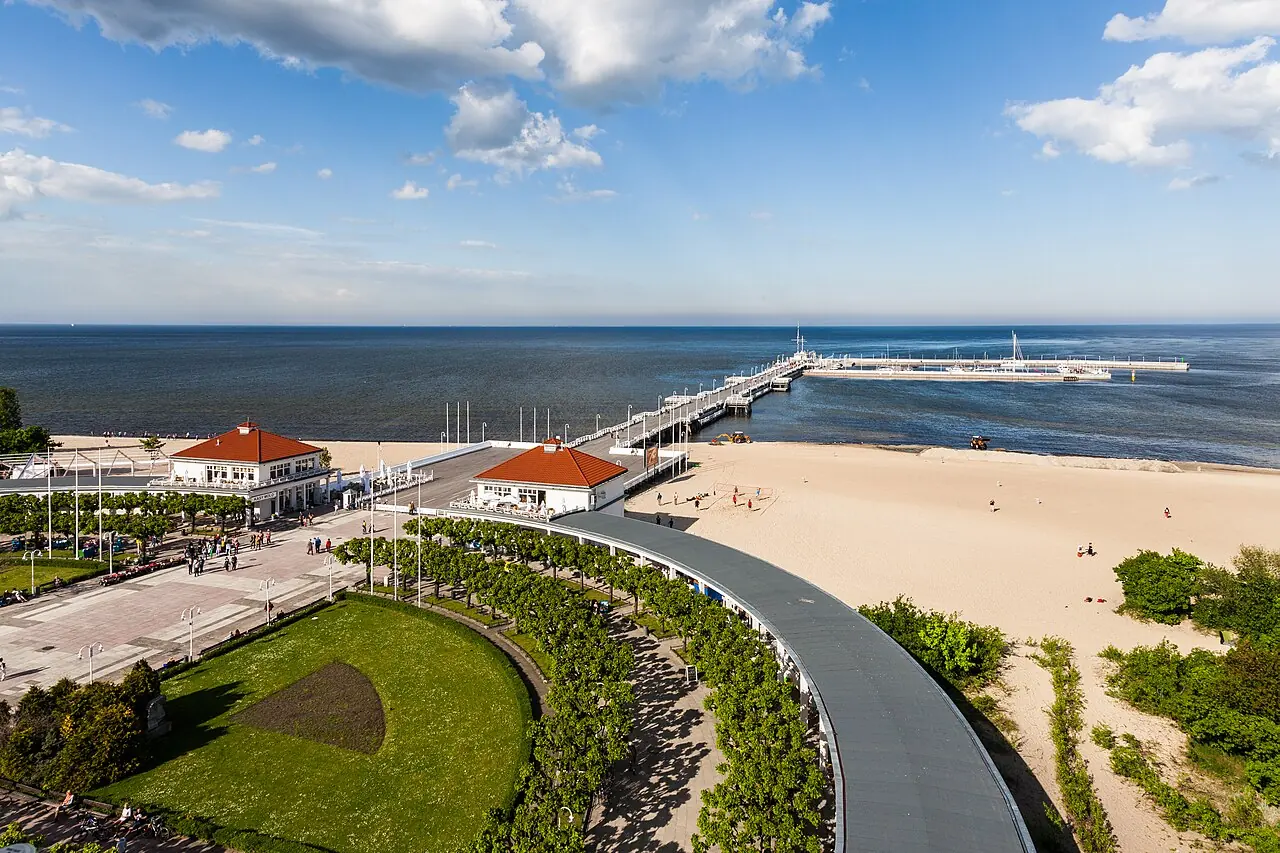 Photo Diego Delso, CC BY-SA 3.0, Wikimedia Commons

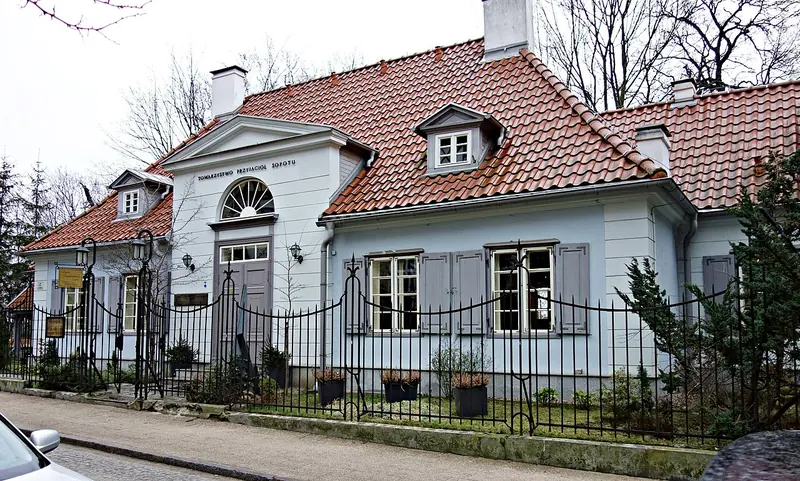 Photo LuzynaS, CC BY-SA 4.0, Wikimedia Commons1
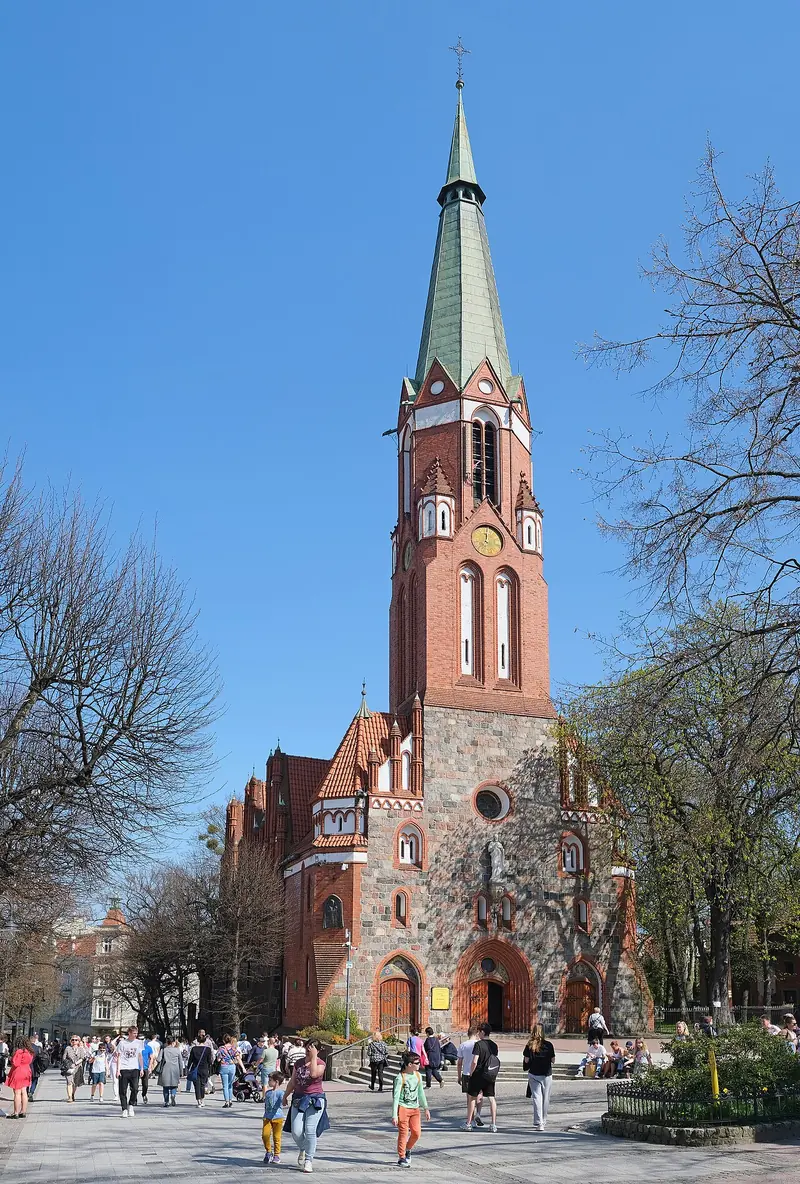 Photo kallerna, CC BY-SA 4.0, Wikimedia Commons
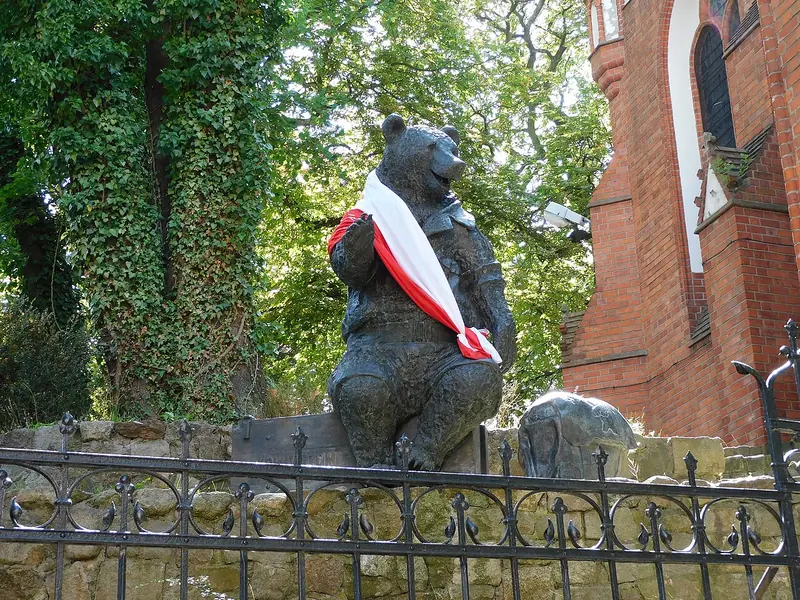 Photo Panek, CC BY-SA 4.0, Wikimedia Commons
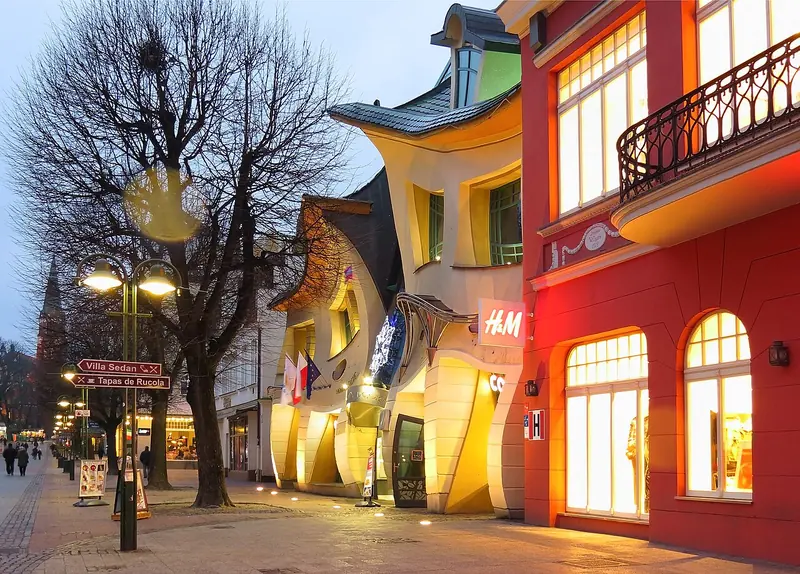 Photo Аимаина хикари, CC0, Wikimedia Commons
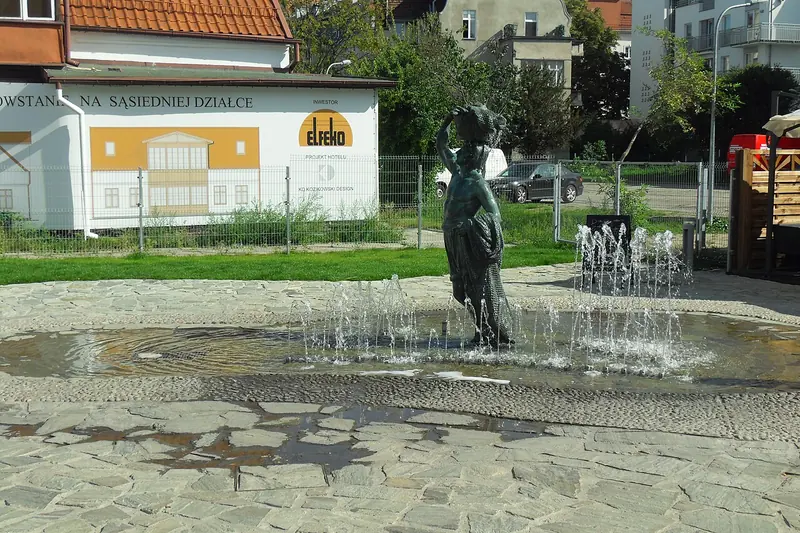 Photo Artur Andrzej, CC BY-SA 4.0, Wikimedia Commons
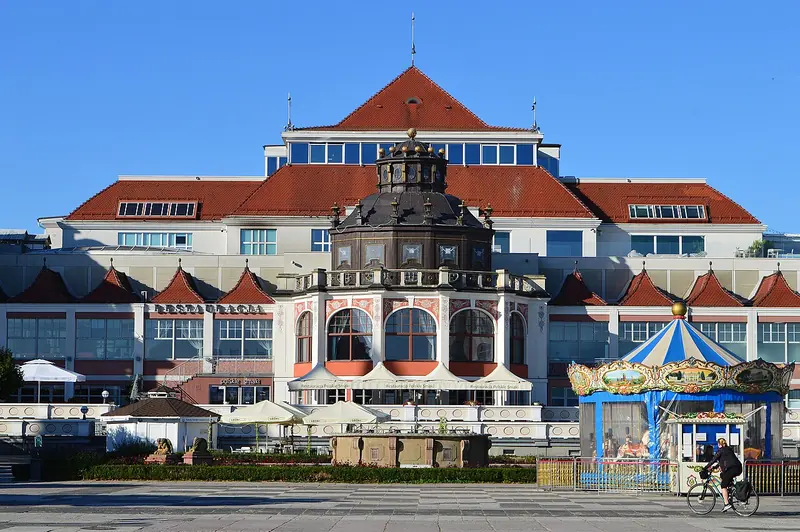 Photo Scotch Mist, CC BY-SA 4.0, Wikimedia Commons
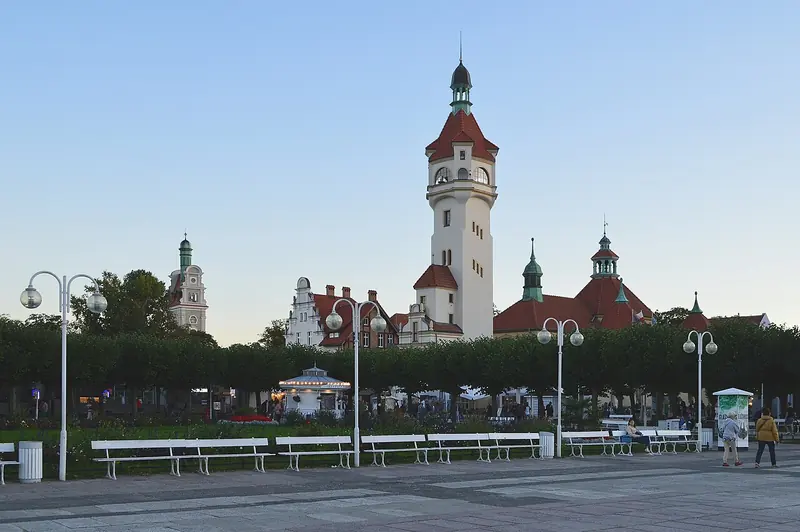 Photo Scotch Mist, CC BY-SA 4.0, Wikimedia Commons
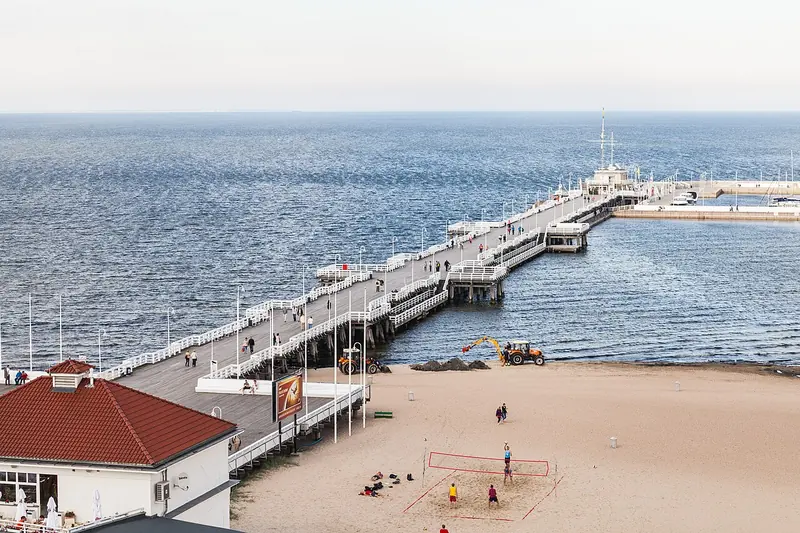 Photo Diego Delso, CC BY-SA 3.0, Wikimedia Commons
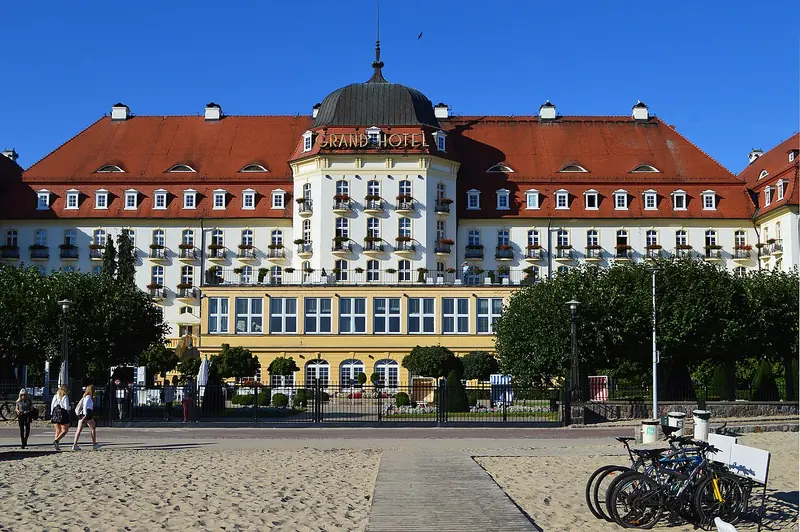 Photo Scotch Mist, CC BY-SA 4.0, Wikimedia Commons
 Photo Andrzej Otrębski, CC BY-SA 4.0, Wikimedia Commons
 Photo kallerna, CC BY-SA 3.0, Wikimedia Commons
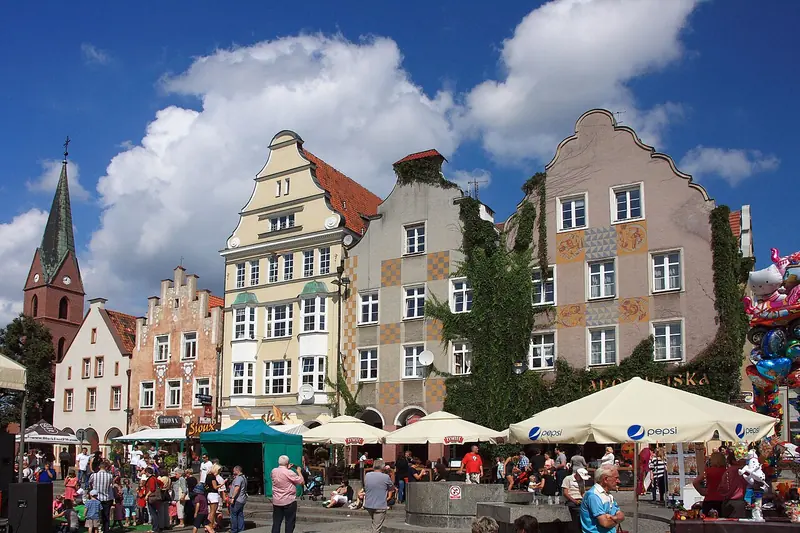 Photo Schorle, CC BY-SA 3.0, Wikimedia Commons