Photo Williamson.est, CC BY-SA 4.0, Wikimedia Commons
ParkPalmse, Lääne-Viru County, Estonia
Palmse: Manor, Park and Outbuildings: what to see, map and route
Palmse: Manor, Park and Outbuildings. In the Turi app, the same map shows your position, guides you from point to point and lets you tick off the places you’ve visited.
The walk starts on the road in front of the Lahemaa information centre and ends at Muinastaide Koda, about 600 m from the manor. It is 70 km from Tallinn and 34 km from Rakvere. If you are driving, according to RMK, turn off the Tallinn-Narva road (E20) towards Võsu and Palmse, then continue along the Viitna-Koljaku road for another 6.5 km. You can reach Palmse by bus from the bus station in Tallinn; check the timetable before you set off, as services in this area can be infrequent. If you are already on the manor grounds, Turi will guide you from the nearest point. Winter, Nov-Mar: according to the site's operator, the manor museum is open from 1 October to 30 April, Wednesday to Sunday, 10-16, so the interiors are closed on Mondays and Tuesdays. However, the Viruful portal gives the periods as 1 Oct-8 Jan and 1 Mar-30 Apr, so there may be a winter break in January and February; call before you go: +372 5300 1942. For winter 2026/27, no announcement of a closure or renovation of the manor, park or buildings was found. A ticket in this period costs 8 euros (reduced 7 euros, family ticket for 2 adults with children 18 euros). In the season from 1 May to 30 September the manor is open daily 10-18, and tickets cost 12, 10 and 24 euros. The ticket price includes a visit to the manor, a visit to the manor animals and an electronic guide. The park and a walk among the buildings outdoors are free. Some things cost extra: a guide costs 75 euros with a reservation, and a calash ride costs 75 euros for 30 minutes; both must be booked in advance. The Lahemaa information centre is open from 16 September to 14 May, Monday to Friday, 9-17. From 15 May to 15 September it is open daily 9-17. RMK is moving the centre from Palmse to Sagadi manor, so check before you go whether it is still operating. Muinastaide Koda is open on weekends in June-August and, outside the season, by appointment only. In season the hours are 12-17, and you can make an appointment on +372 5691 3786. Whether the orangery, the smithy and the distillery restaurant are open in winter, check with the operator (Virumaa Muuseumid). According to the operator, the distillery restaurant (Von der Pahlen) operates only on advance order for groups. As an individual visitor you can eat at the Palmse kõrts tavern, but check its hours on the operator's website, because sources give different ones (12-18 or 12-20). Plan about 2.5 hours if you include the interior of the manor.
At home, open the place in Turi and tap “Save for offline”: the map, descriptions and photos will work without signal.
Visit the farthest points first, while you still have energy.
Tick things off as you go, and by the exit you’ll know what’s left.
Palmse: Manor and Park in the Turi app
Live position, a route from point to point, descriptions to read and listen to. Free, no account, in 12 languages.
The same map as in the app. Tap a point to see its photo and description; in Turi you’ll see yourselves on it too.
1recommended, in route orderother pointsWCtoilets, food, tickets
Something not right? Report it in the app at that point.
Worth seeing
Palmse lies in the heart of Lahemaa National Park and was the first manor in Estonia to be restored, in the 1970s, together with all the buildings of the complex. For more than two centuries the manor belonged to the von der Pahlen family. The Baroque manor house stands at the centre of the complex, surrounded by the surviving distillery, the orangery (palmimaja), the smithy, the steward's house and other farm buildings. Behind the manor stretches a French-style park with several ponds and pavilions. The whole manor grounds cover 52 hectares. The walk follows a loop through the northern part with the farm buildings, then through the manor and park, and ends at Muinastaide Koda, where you can see copies (rubbings) of rock carvings from Lake Onega in Karelia, made around 6,000 years ago. These are not the original rocks.
Photo simka, CC BY-SA 3.0, Wikimedia Commons1
Building / monument
Linnaserehi, the malt house
According to the museum, the linnaserehi was used to germinate malt from barley or rye, which went into beer, kvass and vodka. The present building dates from 1804-1805. Today it houses the Palmse manor training centre. It has its own number in Estonia's register of monuments (15900), separate from the manor and the park, because it is one of more than 20 listed structures in the complex. Check the manor plan to see where it lies in relation to the route.
Photo Николай Семёнов, CC BY 3.0, Wikimedia Commons2
przyroda
The pond by the laundry and the distillery
Behind the main building the park has several ponds, and this one lies next to the farm buildings. On its bank stands the former laundry, and beside it the distillery. The museum mentions a romantic boat ride on the pond, but check on site whether it is available. A walk around the ponds is free, because the park is open without a ticket.
Photo Liilia Moroz, CC BY-SA 4.0, Wikimedia Commons3
Building / monument
The distillery with a 33-metre chimney
A distillery has stood in Palmse in roughly the same spot since 1736, first as a wooden building, and a stone one was built in 1774. The present large building with a 33-metre chimney dates from 1860-1870 and was powered by steam, not by a water wheel. Distilling vodka became the main source of income for manors after 1766, when the Russian market opened up, and the distillery waste was used to fatten cattle. Today the building houses the Von der Pahlen restaurant, which according to the operator operates only on advance order for groups, and since 2021 also the Palmse Viinavabriku külalistemaja guesthouse.
Photo Николай Семёнов, CC BY 3.0, Wikimedia Commons4
Building / monument
The orangery (palmimaja)
The orangery was completed in the 1870s. In the 19th century manors built greenhouses like this for growing exotic plants, and in winter people drank coffee in them. Here you will see rare cacti and other plants, and according to the museum also exotic birds and fish. Part of the building has been fitted out as a winter garden for celebrations and concerts. In winter, check with the operator whether the interior is open.
Photo François Philipp, CC BY-SA 3.0, Wikimedia Commons5
przyroda
The French park and the pond behind the manor
Behind the manor stretches a French-style park, recreated from drawings dating from 1753. It consists of a formal garden, a landscape park and a forest park. The park has ponds, rare trees and hidden pavilions. This pond lies right behind the manor, on the eastern side. Entry to the park is free.
All points (8)
Grouped as in the map legend. A star marks recommended points.
Building / monument 4
Linnaserehi, the malt house ★According to the museum, the linnaserehi was used to germinate malt from barley or rye, which went into beer, kvass and vodka. The present building dates from 1804-1805. Today it houses the Palmse manor training centre. It has its own number in Estonia's register of monuments (15900), separate from the manor and the park, because it is one of more than 20 listed structures in the complex. Check the manor plan to see where it lies in relation to the route.
The distillery with a 33-metre chimney ★A distillery has stood in Palmse in roughly the same spot since 1736, first as a wooden building, and a stone one was built in 1774. The present large building with a 33-metre chimney dates from 1860-1870 and was powered by steam, not by a water wheel. Distilling vodka became the main source of income for manors after 1766, when the Russian market opened up, and the distillery waste was used to fatten cattle. Today the building houses the Von der Pahlen restaurant, which according to the operator operates only on advance order for groups, and since 2021 also the Palmse Viinavabriku külalistemaja guesthouse.
The orangery (palmimaja) ★The orangery was completed in the 1870s. In the 19th century manors built greenhouses like this for growing exotic plants, and in winter people drank coffee in them. Here you will see rare cacti and other plants, and according to the museum also exotic birds and fish. Part of the building has been fitted out as a winter garden for celebrations and concerts. In winter, check with the operator whether the interior is open.
The laundry by the pondThe pesuköök, the former manor laundry, stands on the bank of the pond. Next to it you can see the manor brewery (õlleköök) and the distillery, all part of the same production complex. By the middle of the 19th century the complex already had several more farm buildings, and the park had reached its present extent; today there are more than 30 structures on 52 ha.
przyroda 2
The pond by the laundry and the distillery ★Behind the main building the park has several ponds, and this one lies next to the farm buildings. On its bank stands the former laundry, and beside it the distillery. The museum mentions a romantic boat ride on the pond, but check on site whether it is available. A walk around the ponds is free, because the park is open without a ticket.
The French park and the pond behind the manor ★Behind the manor stretches a French-style park, recreated from drawings dating from 1753. It consists of a formal garden, a landscape park and a forest park. The park has ponds, rare trees and hidden pavilions. This pond lies right behind the manor, on the eastern side. Entry to the park is free.
Toilets / tickets / parking 2
Start of the walk at the Palmse stopThe walk starts on the road in front of the Lahemaa information centre, which according to RMK stands right next to the manor. The route is a loop, so you never walk the same way back: first the northern part with the farm buildings, then the manor, the park with its pond and the steward's house. At the end you walk to Muinastaide Koda, about 600 m from the manor.

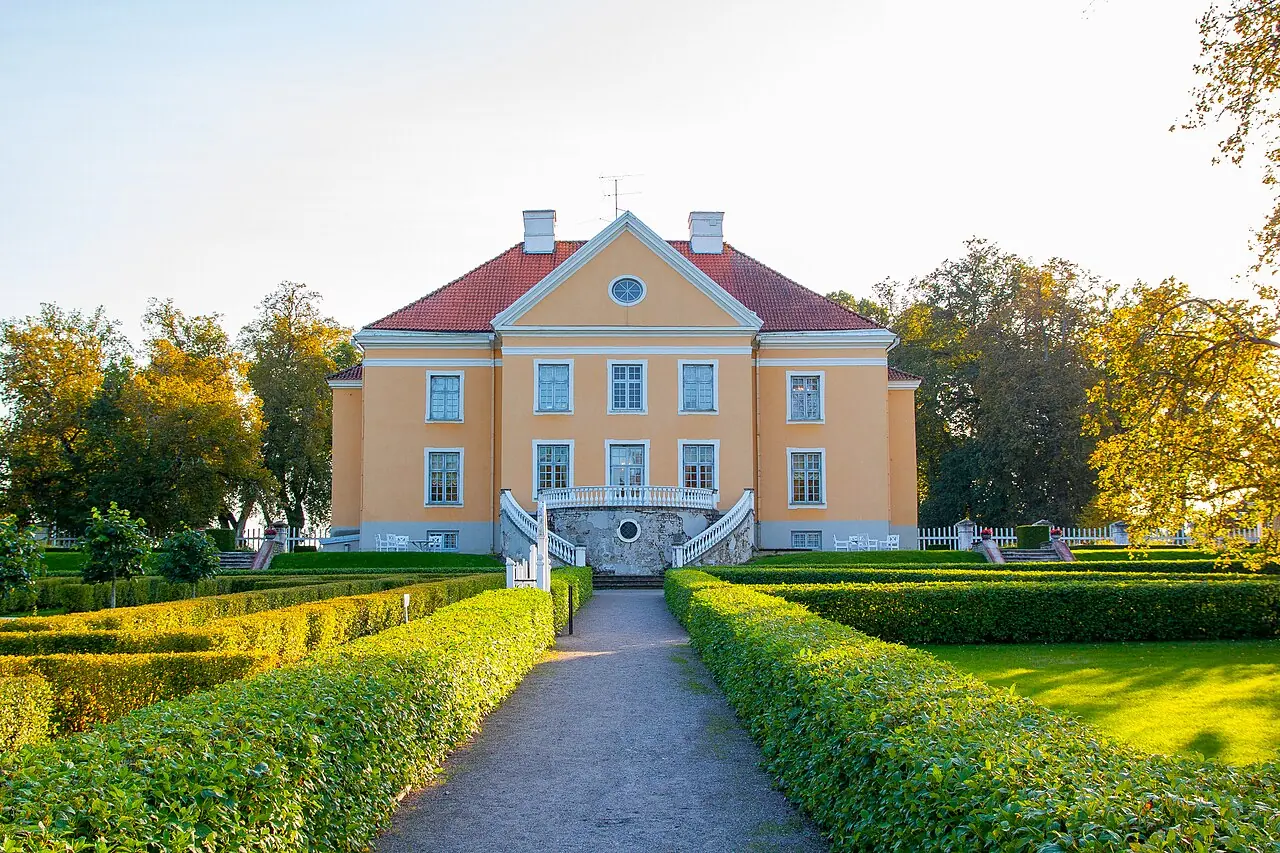 Photo Williamson.est, CC BY-SA 4.0, Wikimedia Commons

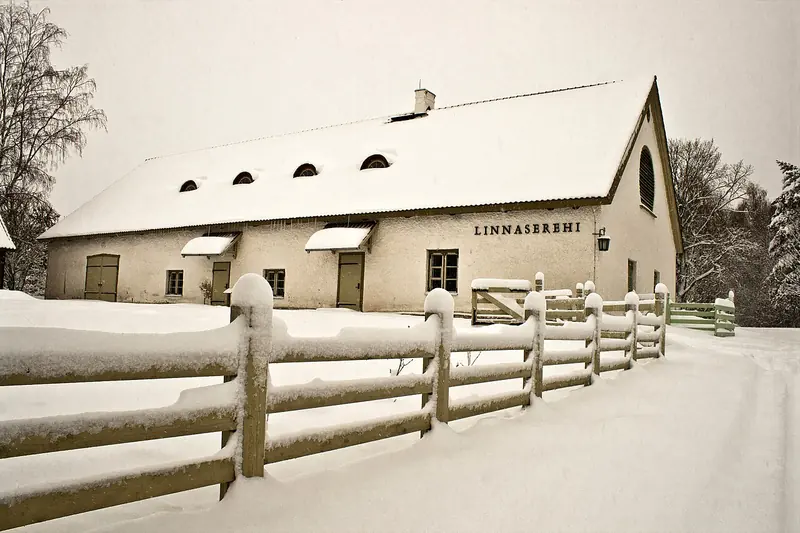 Photo simka, CC BY-SA 3.0, Wikimedia Commons1
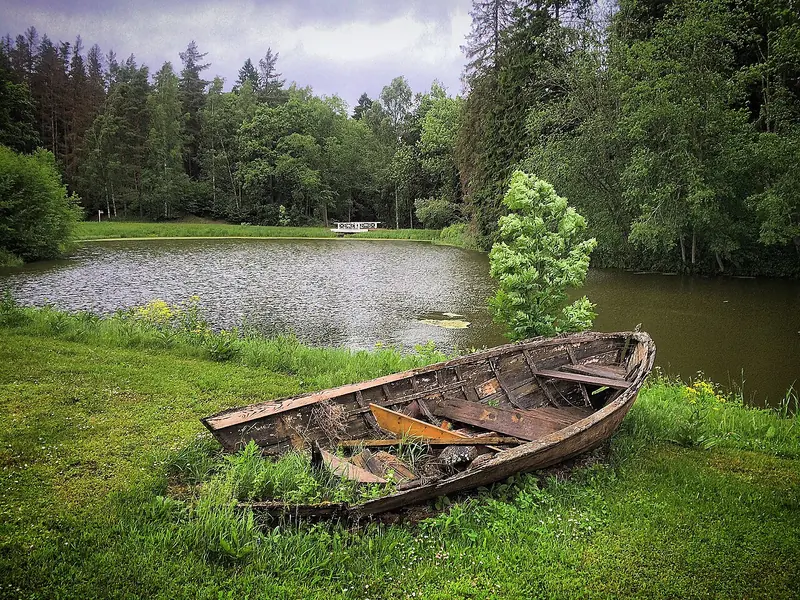 Photo Николай Семёнов, CC BY 3.0, Wikimedia Commons
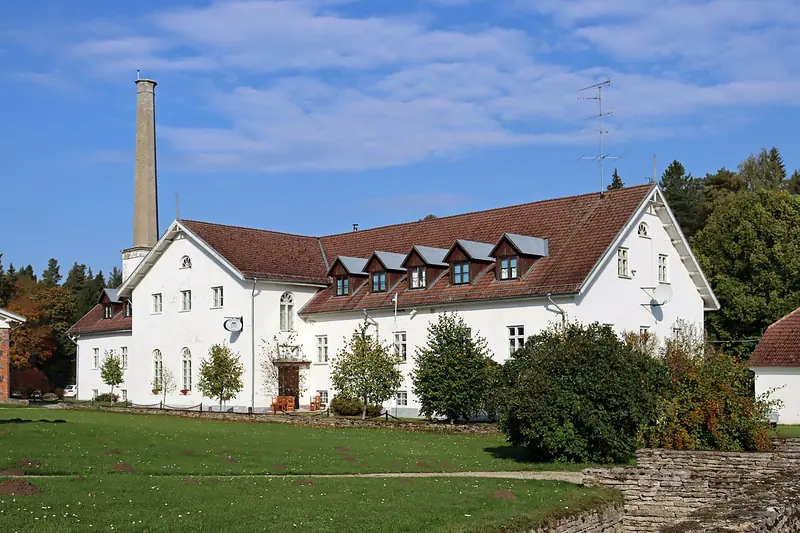 Photo Liilia Moroz, CC BY-SA 4.0, Wikimedia Commons
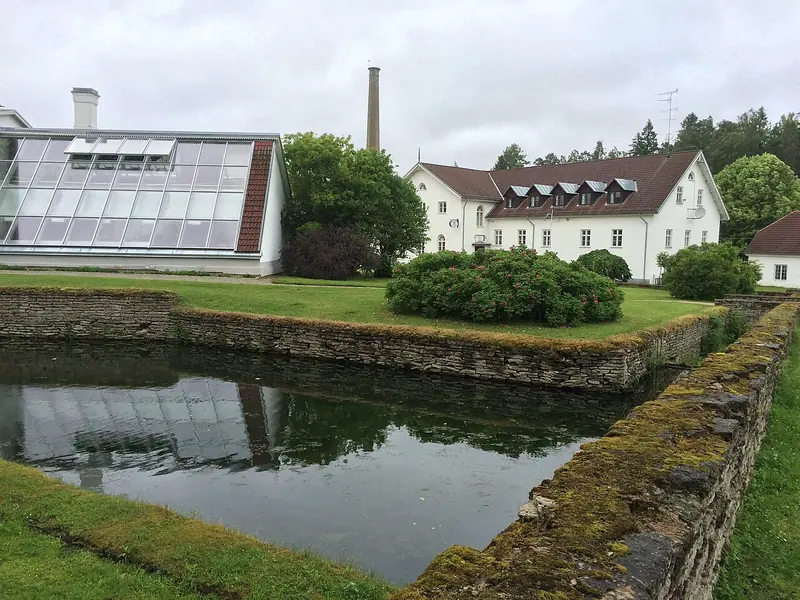 Photo Николай Семёнов, CC BY 3.0, Wikimedia Commons
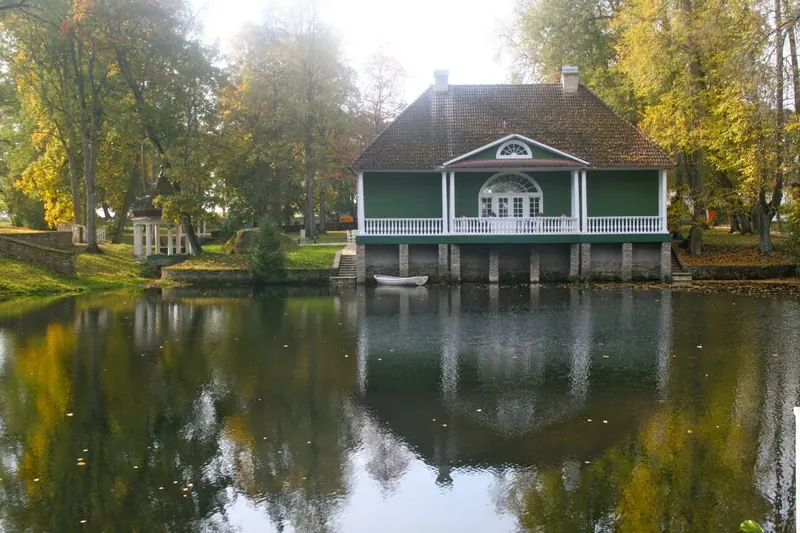 Photo François Philipp, CC BY-SA 3.0, Wikimedia Commons
 Photo A.Palu, CC BY-SA 3.0 ee, Wikimedia Commons
 Photo Diego Delso, CC BY-SA 3.0, Wikimedia Commons
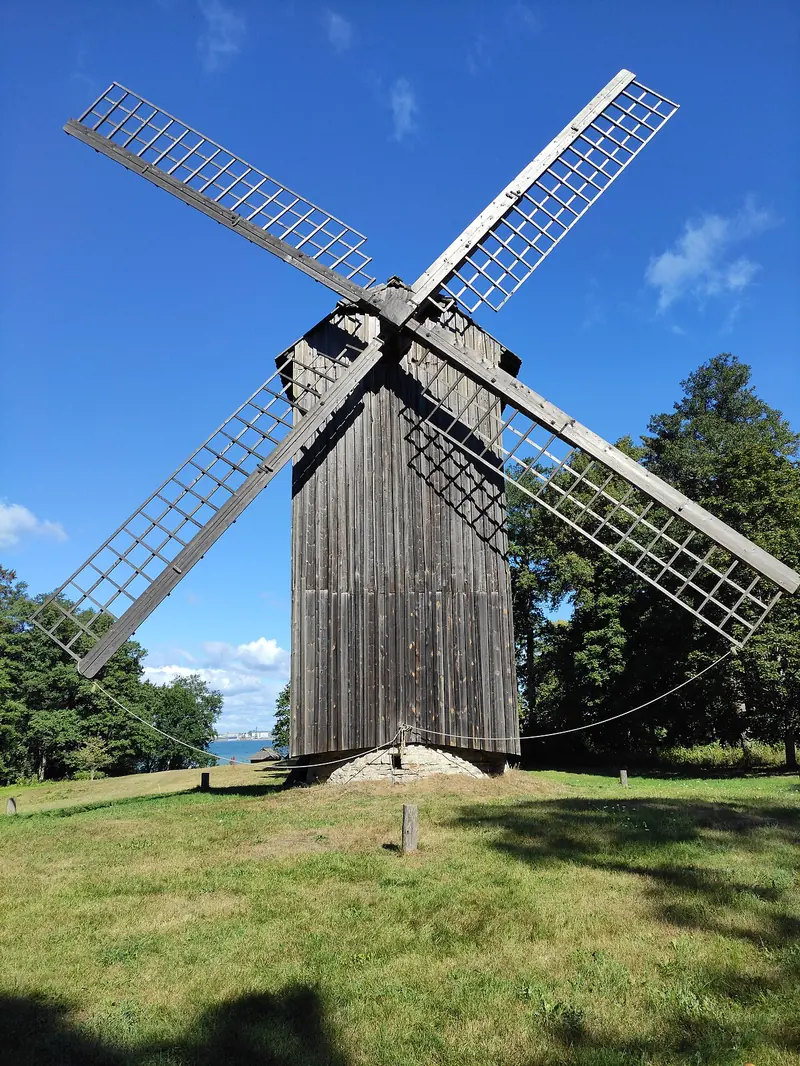 Photo Fry72, Karel Frydrýšek, CC BY-SA 4.0, Wikimedia Commons