Photo Fry72, Karel Frydrýšek, CC BY-SA 4.0, Wikimedia Commons
Open-air museumTallinn, Harju County, Estonia
Tallinn: Estonian Open Air Museum at Rocca al Mare with children: what to see, map and route
Tallinn: Estonian Open Air Museum at Rocca al Mare. In the Turi app, the same map shows your position, guides you from point to point and lets you tick off the places you’ve visited.
Getting there: you can reach the museum by buses 21 and 21B from Balti jaam station and from Vabaduse väljak in the centre, and you get off at the Rocca al Mare stop right by the gate. From the centre you can also take bus 42 or 8 to the Zoo stop and walk about 15 minutes along the road by the sea. From the Rocca al Mare stop you return to the city by bus 41. If you come by car: parking for visitors is free. The start is set on the access road Vabaõhumuuseumi tee, and from there you walk on from the nearest point of the route, which Turi will show you. Admission to the museum is paid: in the winter season (29.09-22.04) a standard ticket costs €14, a reduced ticket €10, a family ticket €30, and an evening visit from 16:00 costs €7 (family €15). A combined family ticket with Tallinn Zoo costs €40 in winter, and an annual pass costs €60 (individual) or €85 (family). From October to mid-April, visitors aged 60+ pay €4 on Thursdays on presenting ID. The Tallinn Card includes admission, and you can also enter free with the Muuseumikaart. Lunch at the Kolu Tavern is possible only with a museum ticket. Winter (November-March): <cite index="4-1">the winter season runs from 29 September to 22 April, and the museum is then open from Tuesday to Sunday,</cite> <cite index="4-3">and in December every day.</cite> On Mondays you can visit only for pre-booked programmes and events. <cite index="4-5">The museum is closed on 24-25 December, 31 December 2026 and 1 January 2027.</cite> On 26 December the park is open from 10:00 to 19:00 and the ticket offices from 10:00 to 17:00, while on 6 December the Kolu Tavern opens only at 14:30. According to the museum, the Christmas fair on 12-13 December runs from 10:00 to 17:00. <cite index="4-6">The museum park is then open from 10:00 to 19:00, and the ticket office, the Kuie school, the collective-farm block and the tavern from 10:00 to 17:00.</cite> The museum shop is also open from 10:00 to 17:00. <cite index="4-6">In winter only selected farmsteads are open: Härjapea, Setu, the Old Believers' house from Lake Peipus and Sassi-Jaani,</cite> so you can see some of the buildings on the route only from the outside. The Lau shop and the tehasemaja (prefabricated house) are also open from 10:00 to 17:00. Kolga (the children's world) is open from Wednesday to Sunday and during school holidays from 10:00 to 16:00, but the main page says Thursday to Sunday, so it is worth confirming the hours before your visit. In winter the farmsteads Köstriaseme, Pulga and Sepa, and most of the other buildings, are not open, and the Swiss villa is under renovation and closed to visitors. You can look into the Sutlepa chapel through the open door, but you may not go inside. Plan on 2 to 3 hours, and in winter dress warmly, because most of the route is outdoors.
At home, open the place in Turi and tap “Save for offline”: the map, descriptions and photos will work without signal.
Visit the farthest points first, while you still have energy.
Tick things off as you go, and by the exit you’ll know what’s left.
Tallinn: Rocca al Mare Open Air Museum in the Turi app
Live position, a route from point to point, descriptions to read and listen to. Free, no account, in 12 languages.
The same map as in the app. Tap a point to see its photo and description; in Turi you’ll see yourselves on it too.
1recommended, in route orderother pointsWCtoilets, food, tickets
Something not right? Report it in the app at that point.
Worth seeing
The Estonian Open Air Museum was founded on 22 May 1957 on the grounds of the former Rocca al Mare summer estate. It brings together almost 80 buildings from the last two hundred years. The site covers about 72 hectares and is divided into western, northern and southern Estonia, plus the islands. A school, chapel, tavern, shop and fire station form a small village centre, while by the bay stand sheds for fishing nets. The oldest exhibit is the Sutlepa chapel from 1699. The walk is a loop that leads from the stone field past the windmills, the chapel, the fire station and the school to the farmsteads from the collectivisation era, then on to the island shore, and ends at the Kolu Tavern.
Photo Fry72, Karel Frydrýšek, CC BY-SA 4.0, Wikimedia Commons1
Attraction
Nätsi Windmill
The Nätsi windmill stands in the western Estonia section of the museum. It is a large post mill: <cite index="68-4">the whole body, clad in boards, rests on a huge vertical post.</cite> <cite index="68-2">According to tradition it was built in the second half of the 19th century in Rabavere and later sold to the village of Nätsi in Mihkli parish.</cite> <cite index="68-3,68-10">After the First World War it was bought by the smallholder Ants Kümmel of the Vanasauna farm, who wanted to earn a living by grinding grain.</cite> <cite index="68-6">The sails are 8.4 metres long, and the whole mill was turned into the wind by its tail.</cite>
Photo Nenea hartia, CC BY-SA 4.0, Wikimedia Commons2
Building / monument
Sutlepa Chapel
<cite index="26-5">The date of construction cannot be established: the chapel already appears in the archives in 1627, and the year 1699 is carved above the door.</cite> <cite index="26-3">It was built in a region inhabited by Estonian Swedes and is one of the oldest wooden buildings in Estonia.</cite> <cite index="26-1">It was moved to the museum in 1970 and rebuilt in 1971-1976.</cite> <cite index="26-9">Around 1837 it was taken apart for repairs and put back together, using beams from the nearby chapel in Rooslepa.</cite> <cite index="26-2,26-7">It has been consecrated again since 1989, and services are held here on major holidays.</cite>
Photo Nenea hartia, CC BY-SA 4.0, Wikimedia Commons3
Building / monument
Orgmetsa Fire Station
<cite index="86-3">The fire station was built in 1928 in the village of Orgmetsa in Järva-Madise parish.</cite> <cite index="86-4">It belonged to the Aravete-Albu volunteer fire brigade, founded in 1921.</cite> <cite index="86-5,86-6">It housed hand-operated pumps on carts and water barrels, and in the tower hoses were dried and an alarm bell hung.</cite> <cite index="86-10">On the tower you will see a tin weathervane with the dates 1921 and 1928.</cite>
Photo Termer, CC BY-SA 3.0, Wikimedia Commons4
Building / monument
Kahala Watermill
<cite index="59-3">The small watermill stood on the Liiva stream at the Möldri farm in the village of Kahala in Kuusalu parish and ground flour, wholemeal flour and groats.</cite> <cite index="59-4,59-5">It was one of four watermills on the Kolga manor estate, came to the museum in 1962 and was opened to visitors in 1969.</cite> <cite index="60-7,60-8">The oldest known miller was Villem Leimann, a servant from the Kolga manor, to whom the baron gave the farm with the mill around the middle of the 19th century.</cite> <cite index="60-13">The museum shows the mill as it was in Villem's time.</cite>
Photo Bahnfrend, CC BY-SA 4.0, Wikimedia Commons5
Building / monument
Sepa Blacksmith's Farmstead
<cite index="82-1">The Sepa farmstead from Rõuge parish shows the farm of a blacksmith from southern Estonia at the turn of the 20th century.</cite> <cite index="82-4">Three buildings stand in the yard: a dwelling house joined to a small cowshed from 1880-1890, a sauna and a smithy.</cite> <cite index="82-2">In May 2025 the exhibition was moved to the year 1952, the beginning of collectivisation.</cite> According to the museum, the new exhibition gives a broader background to forced collectivisation in Estonia. <cite index="4-6">Sepa is not on the winter list of open farmsteads (Härjapea, Setu, the house from Lake Peipus, Sassi-Jaani),</cite> so in winter you can see it only from the outside.
Photo Fry72, Karel Frydrýšek, CC BY-SA 4.0, Wikimedia Commons6
Attraction
Kalma Dutch Windmill
<cite index="78-5">This is a Dutch-type windmill, which you can recognise by its cap-shaped roof that turns together with the sails.</cite> <cite index="78-3,78-4">It was commissioned by Juhan Särk, who had earned his money fishing on Lake Peipus, and it was built by the master builder Jakob Sõber of Mustvee in the village of Kalma in Torma parish.</cite> <cite index="78-6">It was moved to the museum in 1972 and rebuilt in 1991-1995.</cite> <cite index="78-7,78-12">The wooden tower has several storeys, and the horizontal shaft with the sails drives a vertical shaft with the millstones.</cite>
Photo Nenea hartia, CC BY-SA 4.0, Wikimedia Commons7
Attraction
Ülendi Windmill
<cite index="54-16,54-17">The Ülendi windmill was built in 1860 on the Pihlamaa farm in the village of Ülendi in Reigi parish, and it was moved to the museum in 1971 and erected in 1972-1974.</cite> <cite index="96-7">The museum counts it as part of the islands section, together with Hiiumaa.</cite> <cite index="54-18">The sails are 4.26 m long, the body is clad in vertical boards, and the base, about a metre high, is made of hewn logs.</cite> <cite index="54-3">Post mills ground grain in coastal areas without rivers.</cite>
Photo Nenea hartia, CC BY-SA 4.0, Wikimedia Commons8
Building / monument
Kolu Tavern
The tavern was built in 1840 in the village of Kolu in Kose parish in Harjumaa county. <cite index="36-3,36-4">It was moved to the museum in 1968, rebuilt in 1969-1973, and a restaurant has operated in it again since 1993.</cite> <cite index="30-7">The menu includes dishes loved by Estonians' ancestors, such as Mulgi porridge, bread, kali and sprat sandwiches.</cite> <cite index="36-6">The tavern is small and has only one stable room.</cite> <cite index="30-9,4-6">You can eat a meal only with a museum ticket, and in winter the tavern is open from 10:00 to 17:00.</cite>
All points (20)
Grouped as in the map legend. A star marks recommended points.
Attraction 3
Nätsi Windmill ★The Nätsi windmill stands in the western Estonia section of the museum. It is a large post mill: <cite index="68-4">the whole body, clad in boards, rests on a huge vertical post.</cite> <cite index="68-2">According to tradition it was built in the second half of the 19th century in Rabavere and later sold to the village of Nätsi in Mihkli parish.</cite> <cite index="68-3,68-10">After the First World War it was bought by the smallholder Ants Kümmel of the Vanasauna farm, who wanted to earn a living by grinding grain.</cite> <cite index="68-6">The sails are 8.4 metres long, and the whole mill was turned into the wind by its tail.</cite>
Kalma Dutch Windmill ★<cite index="78-5">This is a Dutch-type windmill, which you can recognise by its cap-shaped roof that turns together with the sails.</cite> <cite index="78-3,78-4">It was commissioned by Juhan Särk, who had earned his money fishing on Lake Peipus, and it was built by the master builder Jakob Sõber of Mustvee in the village of Kalma in Torma parish.</cite> <cite index="78-6">It was moved to the museum in 1972 and rebuilt in 1991-1995.</cite> <cite index="78-7,78-12">The wooden tower has several storeys, and the horizontal shaft with the sails drives a vertical shaft with the millstones.</cite>
Ülendi Windmill ★<cite index="54-16,54-17">The Ülendi windmill was built in 1860 on the Pihlamaa farm in the village of Ülendi in Reigi parish, and it was moved to the museum in 1971 and erected in 1972-1974.</cite> <cite index="96-7">The museum counts it as part of the islands section, together with Hiiumaa.</cite> <cite index="54-18">The sails are 4.26 m long, the body is clad in vertical boards, and the base, about a metre high, is made of hewn logs.</cite> <cite index="54-3">Post mills ground grain in coastal areas without rivers.</cite>
Building / monument 6
Sutlepa Chapel ★<cite index="26-5">The date of construction cannot be established: the chapel already appears in the archives in 1627, and the year 1699 is carved above the door.</cite> <cite index="26-3">It was built in a region inhabited by Estonian Swedes and is one of the oldest wooden buildings in Estonia.</cite> <cite index="26-1">It was moved to the museum in 1970 and rebuilt in 1971-1976.</cite> <cite index="26-9">Around 1837 it was taken apart for repairs and put back together, using beams from the nearby chapel in Rooslepa.</cite> <cite index="26-2,26-7">It has been consecrated again since 1989, and services are held here on major holidays.</cite>
Orgmetsa Fire Station ★<cite index="86-3">The fire station was built in 1928 in the village of Orgmetsa in Järva-Madise parish.</cite> <cite index="86-4">It belonged to the Aravete-Albu volunteer fire brigade, founded in 1921.</cite> <cite index="86-5,86-6">It housed hand-operated pumps on carts and water barrels, and in the tower hoses were dried and an alarm bell hung.</cite> <cite index="86-10">On the tower you will see a tin weathervane with the dates 1921 and 1928.</cite>
Kahala Watermill ★<cite index="59-3">The small watermill stood on the Liiva stream at the Möldri farm in the village of Kahala in Kuusalu parish and ground flour, wholemeal flour and groats.</cite> <cite index="59-4,59-5">It was one of four watermills on the Kolga manor estate, came to the museum in 1962 and was opened to visitors in 1969.</cite> <cite index="60-7,60-8">The oldest known miller was Villem Leimann, a servant from the Kolga manor, to whom the baron gave the farm with the mill around the middle of the 19th century.</cite> <cite index="60-13">The museum shows the mill as it was in Villem's time.</cite>
Sepa Blacksmith's Farmstead ★<cite index="82-1">The Sepa farmstead from Rõuge parish shows the farm of a blacksmith from southern Estonia at the turn of the 20th century.</cite> <cite index="82-4">Three buildings stand in the yard: a dwelling house joined to a small cowshed from 1880-1890, a sauna and a smithy.</cite> <cite index="82-2">In May 2025 the exhibition was moved to the year 1952, the beginning of collectivisation.</cite> According to the museum, the new exhibition gives a broader background to forced collectivisation in Estonia. <cite index="4-6">Sepa is not on the winter list of open farmsteads (Härjapea, Setu, the house from Lake Peipus, Sassi-Jaani),</cite> so in winter you can see it only from the outside.
Kolu Tavern ★The tavern was built in 1840 in the village of Kolu in Kose parish in Harjumaa county. <cite index="36-3,36-4">It was moved to the museum in 1968, rebuilt in 1969-1973, and a restaurant has operated in it again since 1993.</cite> <cite index="30-7">The menu includes dishes loved by Estonians' ancestors, such as Mulgi porridge, bread, kali and sprat sandwiches.</cite> <cite index="36-6">The tavern is small and has only one stable room.</cite> <cite index="30-9,4-6">You can eat a meal only with a museum ticket, and in winter the tavern is open from 10:00 to 17:00.</cite>
Swiss Villa<cite index="104-8">Unlike the other buildings in the museum, the Swiss villa was built in Rocca al Mare around 1870 and has not been moved.</cite> <cite index="104-9">It belonged to the summer residence of the merchant and mayor of Tallinn Arthur Girard de Soucanton (1813-1884).</cite> The villa was emptied after the Jaanipäev festival in 2025, and renovation has been under way since August 2025. It previously housed the museum's offices and storerooms. After the renovation the workshops are to remain there, and most of the house is to be opened to guests for the first time as part of an exhibition on the Baltic Germans. Construction work was due to finish at the end of 2026, and opening to visitors was planned for summer 2027. In winter 2026/27 the villa is not open to visitors, so you can see it only from the outside.
Toilets / tickets / parking 11
Starting point at the main gate and the Rocca al Mare stopThe walk begins on the access road Vabaõhumuuseumi tee, which leads to the main gate of the museum. <cite index="12-11">The Rocca al Mare stop, where you get off buses 21 and 21B, is right by the museum gate.</cite> You can buy tickets at the ticket office, open in winter from 10:00 to 17:00. The route described here is Turi's suggestion, not an official museum trail.


 Photo Fry72, Karel Frydrýšek, CC BY-SA 4.0, Wikimedia Commons1
 Photo Nenea hartia, CC BY-SA 4.0, Wikimedia Commons
 Photo Nenea hartia, CC BY-SA 4.0, Wikimedia Commons
 Photo Termer, CC BY-SA 3.0, Wikimedia Commons
 Photo Bahnfrend, CC BY-SA 4.0, Wikimedia Commons
 Photo Fry72, Karel Frydrýšek, CC BY-SA 4.0, Wikimedia Commons
 Photo Nenea hartia, CC BY-SA 4.0, Wikimedia Commons
 Photo Nenea hartia, CC BY-SA 4.0, Wikimedia Commons
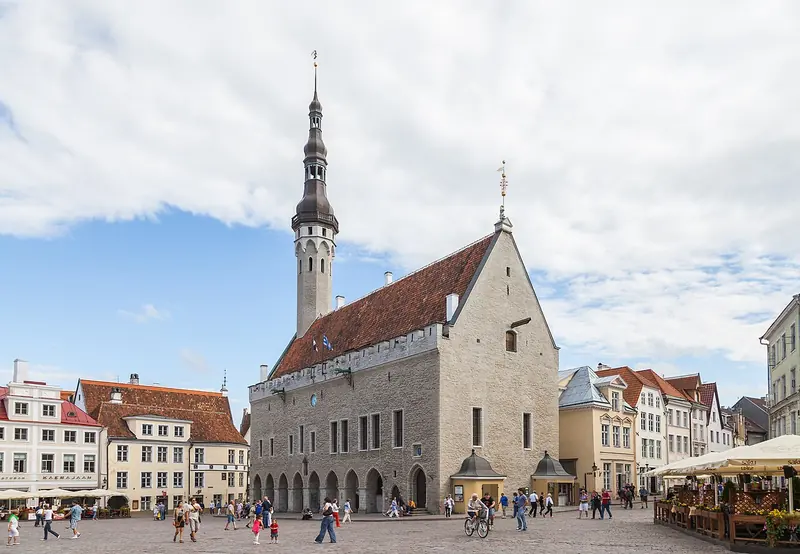 Photo Diego Delso, CC BY-SA 3.0, Wikimedia Commons
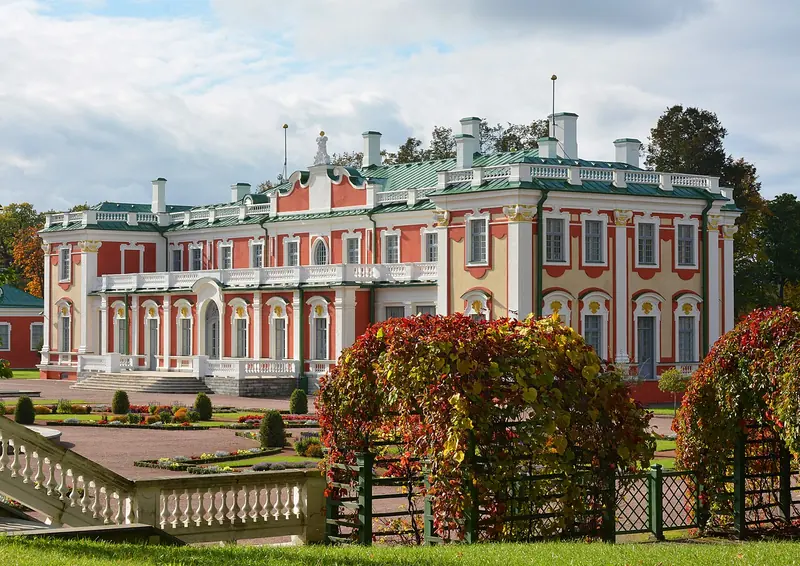 Photo A.Palu, CC BY-SA 3.0 ee, Wikimedia Commons
 Photo Ivar Leidus, CC BY-SA 3.0 ee, Wikimedia Commons