Photo Laima Gūtmane (simka…, CC BY-SA 3.0, Wikimedia Commons
Open-air museumRiga, Latvia
Riga: Open-Air Ethnographic Museum of Latvia with children: what to see, map and route
Riga: Open-Air Ethnographic Museum of Latvia. In the Turi app, the same map shows your position, guides you from point to point and lets you tick off the places you’ve visited.
You can get here by trolleybus no. 31 from the centre of Riga (the line runs between Centrāltirgus and Berģuciems) to the Brīvdabas muzejs stop. Bus line no. 1 has not run since 1 September 2022. The main entrance is at Brīvdabas iela 21, where the loop starts and ends. According to the muzeji.lv portal, parking is free and dogs are allowed on the grounds. In winter (November-March) the museum is open 10:00-16:00. In November, December and January it is open every day, and in February and March from Tuesday to Sunday (official website and kulturasdati.lv). Entry to the grounds ends half an hour before closing. The muzeji.lv portal lists Mondays as closed all winter, so check the opening hours at lebm.gov.lv. The museum is closed on 31 December and 1 January. Tickets valid in winter (1 November-30 April), according to the price list from 1 April 2026: adults 6 euros, seniors 4 euros, pupils and students 3 euros, family ticket (2 adults with 1-4 children, or 1 adult with 3-4 children) 15 euros. The winter season pass costs 30 euros, and a group of 10 or more people pays 5 euros per person in winter. Whether preschool children get in free, check in the current price list, because this could not be confirmed in the new 2026 price list. In the 2024 price list admission was free on 4 May and 18 November, but this was not checked in the new price list, so ask at the museum. In the summer season (1 May-31 October) adults pay 9 euros, seniors 6 euros, and the family ticket costs 20 euros. The houses are not heated and most of them are closed in winter. Open are the house and the carriage house in the Courland farmstead, Jaunsaimniecība, the Lurķi house in the fishermen's village, and the Old Believers' farmstead in Latgale, so you see the rest from the outside. No information was found about ongoing renovation or closures of buildings for the winter of 2026/27, so check this at lebm.gov.lv before your visit. The paths on the grounds are maintained, but in autumn it can be muddy, and in winter there is snow and ice, so wear sturdy shoes. The site is large (about 87 ha), and in winter the museum closes at 16:00, so plan your visit with time to spare. Before your visit you can look at the farmsteads in the OpenEthnoLV app.
At home, open the place in Turi and tap “Save for offline”: the map, descriptions and photos will work without signal.
Visit the farthest points first, while you still have energy.
Tick things off as you go, and by the exit you’ll know what’s left.
Riga: open-air museum by Lake Jugla in the Turi app
Live position, a route from point to point, descriptions to read and listen to. Free, no account, in 12 languages.
The same map as in the app. Tap a point to see its photo and description; in Turi you’ll see yourselves on it too.
1recommended, in route orderother pointsWCtoilets, food, tickets
Something not right? Report it in the app at that point.
Worth seeing
The Open-Air Ethnographic Museum of Latvia (Latvijas Etnogrāfiskais brīvdabas muzejs) lies in a forest on the shore of Lake Jugla, on the edge of Riga. The museum was founded in 1924. Today it holds 118 historic buildings from Courland, Vidzeme, Zemgale and Latgale, mostly dating from the 17th century to the 1930s. Almost all of them were moved from villages and reassembled. The loop begins at the entrance and leads past the Moravian Brethren meeting house, the fishermen's village and the Livonian farmstead by the lake, then the Courland farmstead with the church from Usma, and Zemgale. After that it heads south to Latgale, to the Orthodox church and the Old Believers' farmstead, and returns via the windmill and the New Farmer's farmstead.
Photo Laima Gūtmane (simka…, CC BY-SA 3.0, Wikimedia Commons1
Building / monument
Moravian Brethren Meeting House
The meeting house of the Herrnhuters (hernhūtiešu saiešanas nams) was built in 1785. It was moved to the museum from the Jaunmežuļi farmstead in Plāņi parish, near Valka. For the museum staff it is an essential element for showing Vidzeme, because the Moravian Brethren left a clear mark on the culture of this region. A curiosity: such houses were always built on some peasant's land, because they all appeared back in the days of serfdom.
Photo Mateusz Giełczyński, CC BY-SA 4.0, Wikimedia Commons2
Building / monument
Waterfront Warehouse from Liepāja
The waterfront warehouse from Liepāja, also known as the Swallow Warehouse (Bezdelīgas noliktava), was built in 1697 on the canal of the old port. It was erected in the museum in 1940. At the end of the 17th century several such warehouses were built along the port canal in Liepāja. After renovation it was ceremonially opened on 24 March 2017. Inside is an open collections store, with chests and wardrobes standing in it.
Photo Erinieks, CC BY-SA 3.0, Wikimedia Commons3
Attraction
Courland Fishermen's Village and the Lurķi House
The fishermen's village (Kurzemes zvejnieku ciems) was built from the end of the 1930s (plan from 1938/1939). It joins two distant coasts: the Lurķi house from Rucava parish on the western shore, and the Mauri house from Roja parish on the Gulf of Riga. The Lurķi house from Papes is original and was restored in the museum in 1984, and in 1987 a granary was added next to it, a fence and a well were built, and fruit trees were planted. The Laukgaļi granary from Nīca stands out with colours typical of southern Courland. The Lurķi house is open to visitors in winter, and the museum counts it among its guests' favourite farmsteads.
Photo Aldis Dzenovskis, CC BY-SA 3.0, Wikimedia Commons4
Attraction
Courland Farmstead
The Courland farmstead began to take shape in 1932 with a richly carved granary with a porch from Dižlīķi in Kuldīga parish, found by students from the Līdums club. The farmstead's dwelling house is called Vecķērves. In winter the house and the carriage house are open, so this is one of the best places to go inside. Next to them stand a smithy and other farm buildings.
Photo Laima Gūtmane (simka…, CC BY-SA 3.0, Wikimedia Commons5
Attraction
Zemgale Farmstead
The Zemgale farmstead was set up in the 1930s. In the museum the farmstead represents Zemgale, one of the four regions. Here you can clearly see how the buildings differ from those in Courland and Vidzeme.
Photo Aldis Dzenovskis, CC BY-SA 3.0, Wikimedia Commons6
Building / monument
Church from Rogovka
The Orthodox church (chapel) from Rogovka in Latgale was built in the 1930s. In Rogovka it stood opposite the Roman Catholic church, on the other side of the road. It came to the museum in 1974, without its interior furnishings. In the museum the church stands next to the Latgale village, so you can clearly see how religions lived side by side in this region.
Photo Laima Gūtmane (simka…, CC BY-SA 3.0, Wikimedia Commons7
Attraction
Pakalnu Dutch Windmill
The Dutch-type windmill was built around 1890 on the small manor of Pakalni in Rundēni parish in the former Ludza district. It was moved to the museum in 1974, and it ground grain until the 1950s. In this kind of mill only the cap turns, together with the sails. An elaborate gear system allowed two millstones to work at the same time. The sails were made of heavy canvas, and their surface was adjusted to the strength of the wind.
Photo Laima Gūtmane (simka…, CC BY-SA 3.0, Wikimedia Commons8
Attraction
New Farmer's Farmstead
The New Farmer's farmstead (Jaunsaimnieka sēta) consists of six buildings from the time of the land reform of the 1920s. It was set up in 1991-1996, after independence was regained, and officially opened on 16 May 1997. In the yard stands a water pump fitting the period and a spruce fence. In winter the farmstead is one of the open buildings.
All points (20)
Grouped as in the map legend. A star marks recommended points.
Building / monument 4
Moravian Brethren Meeting House ★The meeting house of the Herrnhuters (hernhūtiešu saiešanas nams) was built in 1785. It was moved to the museum from the Jaunmežuļi farmstead in Plāņi parish, near Valka. For the museum staff it is an essential element for showing Vidzeme, because the Moravian Brethren left a clear mark on the culture of this region. A curiosity: such houses were always built on some peasant's land, because they all appeared back in the days of serfdom.
Waterfront Warehouse from Liepāja ★The waterfront warehouse from Liepāja, also known as the Swallow Warehouse (Bezdelīgas noliktava), was built in 1697 on the canal of the old port. It was erected in the museum in 1940. At the end of the 17th century several such warehouses were built along the port canal in Liepāja. After renovation it was ceremonially opened on 24 March 2017. Inside is an open collections store, with chests and wardrobes standing in it.
Church from Rogovka ★The Orthodox church (chapel) from Rogovka in Latgale was built in the 1930s. In Rogovka it stood opposite the Roman Catholic church, on the other side of the road. It came to the museum in 1974, without its interior furnishings. In the museum the church stands next to the Latgale village, so you can clearly see how religions lived side by side in this region.
Chapel from EleonorvilaThe Roman Catholic chapel comes from the village of Eleonorvila in Rudzāti parish in Latgale. It was moved to the museum in 1975. The museum also has an Orthodox church from Rogovka.
Attraction 7
Courland Fishermen's Village and the Lurķi House ★The fishermen's village (Kurzemes zvejnieku ciems) was built from the end of the 1930s (plan from 1938/1939). It joins two distant coasts: the Lurķi house from Rucava parish on the western shore, and the Mauri house from Roja parish on the Gulf of Riga. The Lurķi house from Papes is original and was restored in the museum in 1984, and in 1987 a granary was added next to it, a fence and a well were built, and fruit trees were planted. The Laukgaļi granary from Nīca stands out with colours typical of southern Courland. The Lurķi house is open to visitors in winter, and the museum counts it among its guests' favourite farmsteads.
Courland Farmstead ★The Courland farmstead began to take shape in 1932 with a richly carved granary with a porch from Dižlīķi in Kuldīga parish, found by students from the Līdums club. The farmstead's dwelling house is called Vecķērves. In winter the house and the carriage house are open, so this is one of the best places to go inside. Next to them stand a smithy and other farm buildings.
Zemgale Farmstead ★The Zemgale farmstead was set up in the 1930s. In the museum the farmstead represents Zemgale, one of the four regions. Here you can clearly see how the buildings differ from those in Courland and Vidzeme.
Pakalnu Dutch Windmill ★The Dutch-type windmill was built around 1890 on the small manor of Pakalni in Rundēni parish in the former Ludza district. It was moved to the museum in 1974, and it ground grain until the 1950s. In this kind of mill only the cap turns, together with the sails. An elaborate gear system allowed two millstones to work at the same time. The sails were made of heavy canvas, and their surface was adjusted to the strength of the wind.
New Farmer's Farmstead ★The New Farmer's farmstead (Jaunsaimnieka sēta) consists of six buildings from the time of the land reform of the 1920s. It was set up in 1991-1996, after independence was regained, and officially opened on 16 May 1997. In the yard stands a water pump fitting the period and a spruce fence. In winter the farmstead is one of the open buildings.
Post Windmill from ŠķibeThe windmill was built around 1814 in Šķibe parish in the former Jelgava district (today Dobele municipality), and it has stood in the museum since 1935 (some sources give 1936). It is the oldest type of mill, a so-called post mill: the whole body rests on a 6.7-metre oak post. Inside is a pair of millstones, the lower one weighing about 800 kilograms and the upper one twice as much. The fineness of the flour was changed by adjusting the distance between the stones.
Windmill from PabažiA wooden windmill from Pabaži stands in the museum. Its dates and construction details could not be confirmed, so check them in the museum's description on site.
Toilets / tickets / parking 9
Public toilet
Public toilet
Public toilet
Public toilet
Public toilet
Public toilet
Public toilet
Public toilet
Museum entranceThe loop begins at the museum entrance, at Brīvdabas iela 21, which trolleybus no. 31 reaches (Brīvdabas muzejs stop). The museum covers about 87 hectares of forest on the shore of Lake Jugla. Check the exact route on the museum map.


 Photo Laima Gūtmane (simka…, CC BY-SA 3.0, Wikimedia Commons1
 Photo Mateusz Giełczyński, CC BY-SA 4.0, Wikimedia Commons
 Photo Erinieks, CC BY-SA 3.0, Wikimedia Commons
 Photo Aldis Dzenovskis, CC BY-SA 3.0, Wikimedia Commons
 Photo Laima Gūtmane (simka…, CC BY-SA 3.0, Wikimedia Commons
 Photo Aldis Dzenovskis, CC BY-SA 3.0, Wikimedia Commons
 Photo Laima Gūtmane (simka…, CC BY-SA 3.0, Wikimedia Commons
 Photo Laima Gūtmane (simka…, CC BY-SA 3.0, Wikimedia Commons
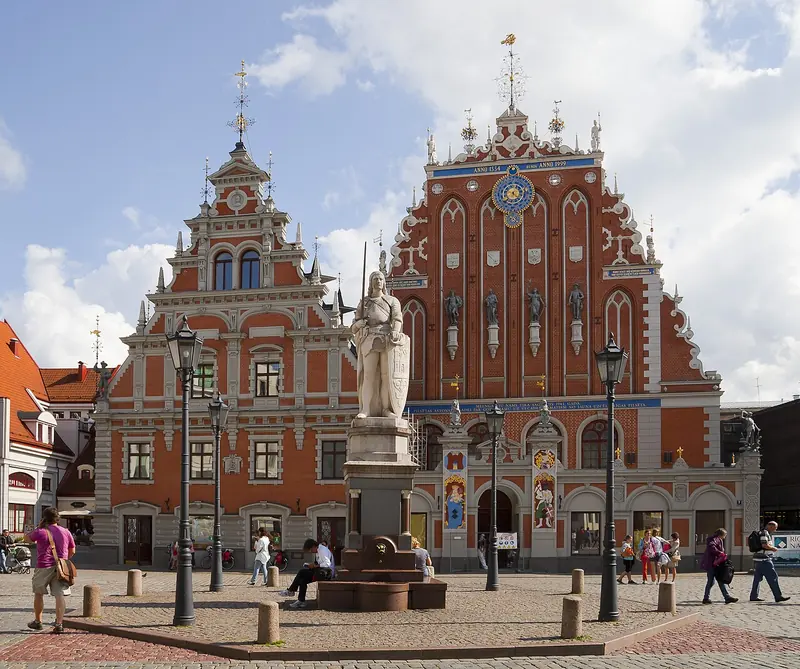 Photo Diego Delso, CC BY-SA 3.0, Wikimedia Commons
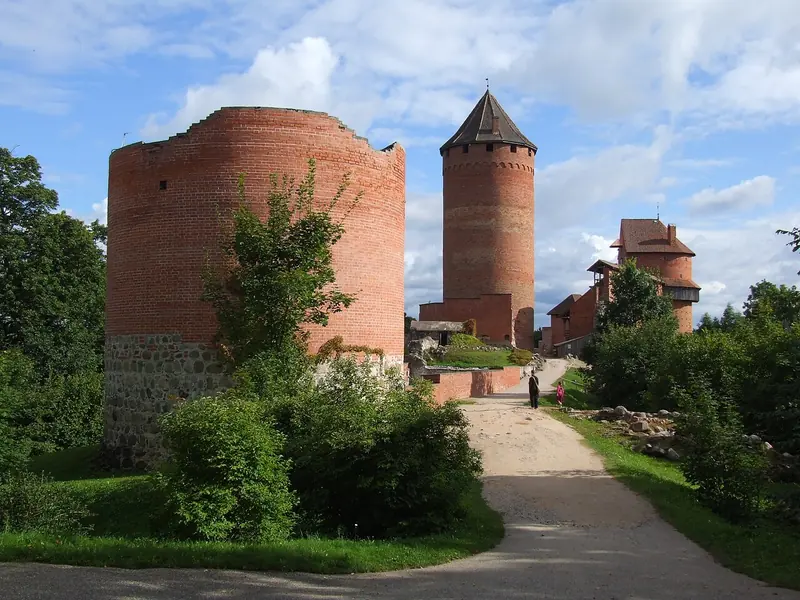 Photo Pudelek (Marcin Szala), CC BY-SA 3.0, Wikimedia Commons
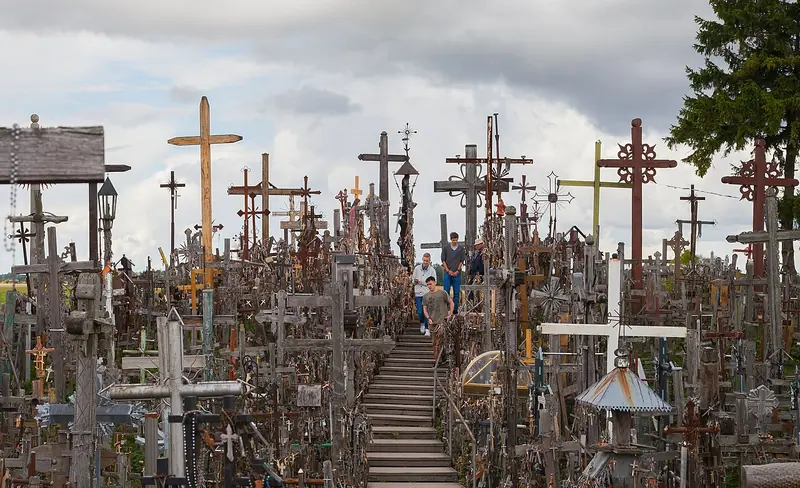 Photo Diego Delso, CC BY-SA 3.0, Wikimedia Commons