Reticulated giraffe ★The reticulated giraffes live on the savannah opposite the Afrykarium, together with Chapman's zebras and ostriches. They come from East Africa: northern Kenya, southern Ethiopia and Somalia, and they stand out with their clear pattern of large brown patches separated by pale lines like a net. A giraffe can run at 32 to 60 km/h.
Snow leopard ★The snow leopard, or irbis, lives in the high mountains of Central Asia. It has thick, pale grey fur with dark rosettes, which camouflages it among rocks and snow. Unlike other big cats, which have yellow or orange eyes, snow leopards have blue, green or grey eyes.
Harbour seal ★The harbour seals swim in the seal pool. The harbour seal has a short, cat-like face and large eyes, and of the three seal species found in the Baltic, this is the one you can see at Wrocław Zoo. Unlike fur seals, it has no external ears, and on land it moves by shuffling along on its belly.
Indian rhinoceros ★The Indian rhinos live in the Terai pavilion, opened in 2012, and in a mixed-species enclosure they share with muntjacs and pileated gibbons. They have a single horn about 25 cm long and skin in thick folds, and a male weighs more than 2 tonnes. In 2021 a female was born here, an important event for the breeding of this species.
Red kangaroo ★The red kangaroo is the largest living marsupial. It comes from the dry plains of Australia and gets around in long hops on its powerful hind legs, using its tail for support. It is mainly the males that are red, while the females often have bluish-grey fur. The kangaroos live in an enclosure in the old part of the zoo, not far from the Bennett's wallabies.
Common chimpanzee ★A family of chimpanzees lives in the Great Ape House, with an indoor and an outdoor enclosure. Chimpanzees share 98.4% of their DNA with us. There is an artificial termite mound in the enclosure, where the keepers hide treats, and ‘toys’ that are changed regularly keep the chimps from getting bored. The zoo suggests spending half an hour with them: then you can see how many of their behaviours are like ours.
Two-toed sloth ★The two-toed sloth from the rainforests of South America spends most of its life hanging upside down among the branches and moves very slowly to save energy. Before the last ice age there were hundreds of species of sloth, but today only six are left. The Wrocław sloths are ambassadors for their species in educational sessions.
Masai baboon ★The Masai baboons have a rocky enclosure built in 1939 from blocks of Strzegom granite, which has housed baboons from the very beginning. The troop is large, so it is easy to watch the monkeys' daily life: grooming, the young playing and squabbles over rank. The Latin name cynocephalus means ‘dog head’ in Greek, after the shape of their muzzle.
Indian elephant ★Two female Indian elephants, Birma and Toto, born in 1960 in Thailand, live in the Elephant House. Birma came to Wrocław in 1981 from the circus base in Julinek, and Toto in 2007; the zoo is their home after a hard life in circuses. An elephant's trunk has about 40,000 muscles, and the feeding demonstration schedule includes a meeting with the elephant keepers.
Sumatran tiger ★The Sumatran tiger is the smallest living subspecies of tiger and the only one that has survived on the islands of the Sunda Archipelago. It has dense, narrow stripes and prominent sideburns. The birth and rearing of quadruplets was a world-class success for Wrocław Zoo, because such a large litter is a real rarity, and the DODO Foundation supports the protection of these tigers on Sumatra.
Pygmy hippopotamus ★The pygmy hippo lives in the Elephant House. This relative of the Nile hippo is several times smaller and lives a hidden life in the forests and swamps of West Africa, mainly in Liberia. It is nocturnal and spends the day hidden in thick undergrowth or in the water.
Greater flamingo ★Greater flamingos, the largest flamingos in the world, have had a new year-round pavilion since 23 May 2024, with a pool whose water can be salted, plus an aviary with a pond, a stream and a small fountain. They share the pond with Baer's pochards and white-winged ducks. They owe the pink colour of their feathers to pigments in their food, which they filter through their bills like a sieve.
Pallas's cat ★The Pallas's cat, or manul, is a wild cat from the steppes and stony mountains of Central Asia, the size of a large pet cat, with very thick fur and low-set ears. Unlike other small cats, it has round pupils, which is why it is thought to have the most expressive face of any cat. It can withstand frosts down to minus 50 degrees, and the zoo and the DODO Foundation support the protection of Pallas's cats in the wild.
Dragons of Indonesia (Komodo dragons) ★This part of the Terrarium has enclosures for Komodo dragons, the largest living lizards. In the wild they live on a few Indonesian islands, for which Komodo National Park was created in 1980, and they are endangered. While the Terrarium is being renovated, this is the only part accessible to wheelchair users.
Ring-tailed lemur ★Ring-tailed lemurs live on the lemur islands and in the Madagascar Pavilion. These animals from Madagascar have a long tail with black and white rings, and unlike most lemurs they are active during the day. When they sunbathe, they sit with their arms spread out, bellies turned to the sun.
Red panda ★The red panda comes from the mountain forests of the Himalayas and southern China. It has reddish fur, a pale mask on its face and a long, striped tail. Despite its name and the similar shape of its skull and teeth, it is not closely related to the giant panda but belongs to a family of its own. Red pandas have been bred in Wrocław since 2011.
Common hippopotamus ★The Nile hippos live in the Afrykarium, in the section devoted to East Africa, where you can see them both above the water and underwater through the glass. A hippo's nostrils close when it submerges, and it can stay underwater for more than 10 minutes. Until 1945 more than a dozen hippos lived and bred at Wrocław Zoo.
African penguin ★The African penguin, also known as the jackass penguin, is the only penguin that lives in Africa: it lives on the coasts and islands in the south of the continent and is critically endangered. In Wrocław it lives on the Skeleton Coast in the Afrykarium, where 55 penguins arrived in autumn 2014. The zoo supports SANCCOB, an organisation that treats wild penguins and releases them back into the sea.
Okapi ★The okapi is a shy inhabitant of the Ituri forests in the Democratic Republic of the Congo, and scientists only described it in 1901. The stripes on its legs look like a zebra's, but the okapi's closest relative is the giraffe. Okapis have lived in Wrocław since the end of 2013 as part of the European breeding programme, and the zoo collects old mobile phones in its campaign ‘Oddaj telefon, ocal okapi!’ (Hand in your phone, save the okapi!).
Wolf Refuge (Wilcza Ostoja, wolves) ★The European wolf enclosure was created as part of the educational project ‘Wilk szary w zoo Wrocław’ (The grey wolf at Wrocław Zoo) and looks like a patch of forest. It is meant to show how important it is to protect the wolf, which has been strictly protected in Poland since 1998. A wolf's toes are joined by a small web, which stops its paws from sinking into snow.
Brown bear ★The brown bears live in the European part of the zoo, next to the enclosures of the lynxes, wildcats and Barbary macaques. One of the residents is Przemisia: a female bear caught near Przemyśl who came to Wrocław in early 2010 for two years, but it turned out that she had epilepsy and would not cope with another journey, so she was given her own enclosure here. Despite its name, a brown bear's fur can also be pale or almost black.
Eurasian lynx ★The lynxes live in an enclosure in the European part of the zoo, opened in April 2012 together with the wildcat enclosure. The lynx is the largest wild cat in Poland, with tufts on its ears and a short tail. There are two populations in Poland: the lowland one, which is more tawny, and the Carpathian one, which is more clearly spotted.
European bison ★The European bison is the largest land mammal in Europe, and it is different from the American bison. Wrocław Zoo has a long history of breeding European bison, and animals of Wrocław descent took part from the very beginning in restoring the species, which had completely died out in the wild. The zoo also supports the Stowarzyszenie Miłośników Żubrów (Society of Friends of the European Bison) and projects to return bison to the wild.
West Indian manatee ★The manatees live in the Afrykarium, in the section with the jungle on the Congo River. They are mammals that spend their whole lives in the water and cannot come out onto land. Today the Wrocław group is made up of the twin brothers Armstrong and Gumle from Odense Zoo and a female called Abel, who arrived from Singapore in 2017; five calves have been born here since the group was formed.
Chapman's zebra ★A herd of Chapman's zebras lives in the spacious enclosure opposite the Afrykarium, together with the reticulated giraffes and ostriches. It is a subspecies of the plains zebra from southern Africa, closely related to the extinct quagga, and between its black stripes it has fainter, brownish ‘shadow stripes’. Zebra foals are born here almost every year.
Meerkat ★The meerkats live next to the Lion House. In the morning, after coming out of their burrow, they stand side by side on their hind legs, propped up on their tails, and bask in the sun. They are carnivorous mammals from the mongoose family, which live in groups in Africa and dig burrows together.
Southern lion ★The southern African lions live in the Lion House opened on 9 August 2024: the male came from Denmark and the two females from France. Lions are the only cats that live in prides, and females stay in their pride for their whole lives. Meerkats live next to the Lion House, so it is worth visiting both enclosures on one walk.
OstrichThe ostriches share the savannah enclosure with the giraffes and zebras, opposite the Afrykarium. The ostrich is the largest living bird: it cannot fly, but it runs fast on its long two-toed legs. Males have black and white feathers, and females greyish-brown ones.
Hartmann's mountain zebraHartmann's zebra is a subspecies of the mountain zebra from western Namibia and south-western Angola, and it copes superbly on rocky slopes. It differs from the plains zebra by its white belly without stripes and a fold of skin on its throat. Looking at its belly, it is easy to believe that a zebra is white with black stripes.
Asian black bearThe Asian black bear lives not only in the Himalayas but in many mountain forests across Asia, from Iran to Japan. The pale crescent-shaped patch on its chest has also earned it the name moon bear. It is closely related to the American black bear.
Clouded leopardThe clouded leopard lives in the forests of South-East Asia. It has greyish-beige fur with large dark patches that look like clouds, hence its name. It can open its jaws wider than any other cat, and its long canines resemble those of the extinct sabre-toothed cat.
Rusty-spotted catThe rusty-spotted cat is the smallest wild cat in the world, half the size of a pet cat. The subspecies from Sri Lanka lives in Wrocław. The rusty-spotted cats are the newest residents of the Terai pavilion: you can see them in the outdoor aviary or in the indoor enclosure.
Poitou donkeyThe Poitou donkey is an old breed from the French province of Poitou, one of the largest donkey breeds, covered in long, matted hair. It was once used to breed mules, and in the 20th century the breed nearly died out. It lives on the Ranch. There you can clearly see how different it is from the ordinary domestic donkey in the Sahara zone.
Bennett's wallaby (red-necked wallaby)Bennett's wallaby, or the red-necked wallaby, is a small kangaroo from south-eastern Australia and Tasmania, with a reddish neck and shoulders. Like all kangaroos, it carries its young in a pouch. It lives in the kangaroo enclosure, next to the red kangaroos.
Common eiderThe eider is a large sea duck from the northern coasts of Europe, Asia and America. The female lines her nest with exceptionally warm down, which has long been used to make duvets. The male is black and white with a greenish nape, while the female is brown with dark bars.
Red-bellied piranhaThe red-bellied piranhas live in the Aquarium. They come from the rivers of South America and have sharp, triangular teeth. Their sense of smell is very well developed, and they can also sense vibrations in the water, which helps them find prey quickly.
Coypu (nutria)The coypu is a large rodent from South America, an excellent swimmer with orange front teeth, which lives by rivers and lakes. The zoo has the Coypu House (Domek Nutrii), a wooden building put up no later than 1890, which has housed coypus from the very beginning.
Celebes crested macaqueThe crested macaque, a resident of the Monkey House, lives in the wild only on the Indonesian island of Sulawesi (Celebes) and is critically endangered. It is easy to recognise by its black fur and the crest sticking up on its head. One macaque of this species, Naruto, became famous for a selfie taken with a traveller's camera.
Yellow-breasted capuchinThe yellow-breasted capuchin from the forests of eastern Brazil is critically endangered, and Wrocław Zoo breeds it. It has a golden chest and belly, a dark back and a prehensile tail, which only some New World monkeys can boast of. Capuchins are very inventive and skilful at using objects.
L'Hoest's monkeyL'Hoest's monkey comes from the mountain forests of Central Africa and has dark fur, a reddish back and a white beard. These monkeys have lived in Wrocław since the 1970s, and in 2010 a new group arrived from Paris. The zoo breeds them as part of the European Endangered Species Programme.
Chacoan peccaryThe Chacoan peccary lives in the dry, thorny scrub of the Gran Chaco in Paraguay, Bolivia and Argentina. Scientists first described it from fossils and thought it was extinct, until living animals were found in the 1970s. It is endangered.
Red-capped mangabeyThe red-capped mangabey comes from the forests of West Africa and has a reddish cap on its head and a white collar around its neck. It lives in groups and spends a lot of time on the ground looking for fruit and seeds. It is endangered, and Wrocław Zoo takes part in the European breeding programme for it.
Pileated gibbonThe pileated gibbons live in the Terai pavilion and in the shared enclosure with the rhinos and muntjacs. They come from the forests of Thailand and Cambodia. Males are black, while females are pale with a dark ‘cap’ on their heads. Over 50 years their numbers in the wild have fallen by more than half because of forest loss and hunting.
Gabon talapoinThe talapoin is one of the smallest monkeys in Africa, weighing just over a kilogram. It lives in groups in riverside forests in Cameroon, Gabon and the Congo, swims well and jumps into the water when threatened. It has olive-greenish fur and a paler belly.
White-faced sakiIn white-faced sakis it is easy to tell males from females: the male is black with a pale, almost white face, while the female is greyish-brown. This monkey lives in the treetops of the forests of the Guiana Highlands in northern South America, and its face was the model for traditional folk masks.
Common marmosetThe common marmoset is a tiny monkey from north-eastern Brazil with white tufts on its ears. It gouges tree bark with its teeth so that the gum flows out, and feeds on it. Wrocław Zoo runs a conservation breeding programme for this species. It lives in the Monkey House, next to other small South American monkeys.
Golden-headed lion tamarinThe golden-headed lion tamarin is a small black monkey with a golden mane around its head, living only in the lowland forests of the state of Bahia in Brazil. Lion tamarins are ‘citizens of Brazil’, which is the country's way of protecting its natural heritage. They live in the Monkey House, and the zoo runs a conservation breeding programme for them.
Diana monkeyThe Diana monkey from the forests of West Africa owes its name to the white band on its forehead, which looks like the bow of the goddess Diana. It also has a white beard and a reddish back. As a fruit eater it helps spread seeds, and in Wrocław you can see it in the Monkey House.
Angola colobusThe colobus is a black-and-white monkey from the forests of Africa, with long white hair on its shoulders and a white tip to its tail. It has a stomach with several chambers containing bacteria that digest cellulose, so it can live on leaves. For several years now, Angola colobus monkeys have been bred successfully in Wrocław.
CapybaraCapybaras, the largest rodents in the world, live by the Elephant House, next door to the elephants and pygmy hippos. They come from South America, live in groups by the water and are excellent swimmers. Their name means ‘grass eater’ in the language of the Tupi people.
Reeves's muntjacThe muntjac is a small deer from China and Taiwan, which lives in the mixed-species Terai enclosure together with the rhinos and gibbons. Males have short antlers and tusks sticking out of their mouths, and an alarmed muntjac makes a call that sounds like barking.
Red-crowned craneThe red-crowned crane is one of the largest cranes in the world: white, with a black neck and a red patch of bare skin on the top of its head. In East Asia it is a symbol of happiness, faithfulness and long life, and pairs are famous for their courtship dances.
Steller's sea eagleSteller's sea eagle is one of the heaviest eagles in the world, with a huge yellow bill and white shoulders. It lives on the coasts of north-eastern Asia, where it hunts mainly fish, and it is vulnerable. Wrocław Zoo takes part in the breeding programme for this species.
Black-necked swanThe black-necked swan comes from the southern part of South America and the Falkland Islands. It has a white body, a black neck and head and a red knob at the base of its bill. The parents often carry their cygnets on their backs. In Wrocław it swims on the ponds in the northern part of the zoo.
Red junglefowlThe red junglefowl is a wild chicken from the forests of South and South-East Asia and the ancestor of the domestic chicken, domesticated about 8,000 years ago. The cockerel has a red comb and shiny golden-red feathers with a greenish tail, while the hen is plainly coloured.
Indian peafowlThe Indian peafowl is the national bird of India. The male courts females by fanning out his huge train with shimmering ‘eyes’, and his loud cry can be heard from far away. Females are brown and have no train. The peafowl live in the Bird Corner (Ptasi Zakątek) with the gamebirds, in the northern part of the zoo.
Green peafowlThe green peafowl, also called the Javan peafowl, has shimmering green and gold feathers and a tall, narrow crest on its head. It lives in the forests of South-East Asia and is endangered. It is a close relative of the Indian peafowl, but it has a slimmer build and a green neck.
Southern ground hornbillThe southern ground hornbill lives right next to the hornbill pavilion. It is one of two hornbill species that spend most of the day on the ground, resting and sleeping in trees. It lives in central and southern Africa and has black feathers and a red, featherless throat pouch.
Southern cassowaryThe cassowary is a large flightless bird from the forests of New Guinea and north-eastern Australia, with a bony casque on its head and a blue neck with red wattles. Cassowaries, like all birds, are descendants of the dinosaurs that survived the mass extinction 66 million years ago. The zoo takes part in the breeding programme for this species.
Snowy owlThe snowy owl lives in the Arctic tundra of Eurasia and North America and also hunts during the day, because in summer there is hardly any night in the far north. Males are almost completely white, while females have dark spots. The species is vulnerable.
Brown wood owlThe brown wood owl is a large owl from the forests of South and South-East Asia, with chocolate-brown plumage and a pale face with dark rings around its eyes. It hunts at night and sleeps through the day in dense treetops. In Wrocław it lives in the bird aviaries in the northern part of the zoo, by the Zwierzyniecki Bridge.
Northern bald ibisThe northern bald ibis has a bald red head, a long curved bill and a crest of feathers at the back. As late as the 17th century it nested in Europe, including Austria and Switzerland, but today it lives in the wild mainly in Morocco and is endangered. In Wrocław it lives in the bird aviaries in the northern part of the zoo, by the Zwierzyniecki Bridge.
Orinoco gooseThe Orinoco goose is a goose from South America, living along rivers among forests and savannahs, including in the Orinoco and Amazon basins. It has a pale head and neck, a rusty belly and dark wings. Unlike most geese, it likes to perch on tree branches.
Thick-billed ravenThe thick-billed raven lives in eastern and southern Africa, often in the mountains. It has a massive, deep bill with a white tip and a white patch on the back of its neck, and like other members of the crow family it is very intelligent and curious. In Wrocław it lives in the bird aviaries in the northern part of the zoo, by the Zwierzyniecki Bridge.
Wrinkled hornbillWrinkled hornbills, named in English after the wrinkled red casque on the male's bill, live in the forests of the Malay Peninsula, Sumatra and Borneo. In July 2026 the female Kora walled herself up in a nest hole in the hornbill pavilion, and the male fed her through a slit. In August a chick hatched: the first successful breeding of this species in Polish zoos.
Philippine duckThe Philippine duck is the only duck that lives exclusively in the Philippines; in Tagalog its name means ‘forest duck’. It has a rusty head with a dark stripe through the eye and a dark cap, and a grey body, and its numbers have fallen sharply because of hunting and the disappearance of wetlands.
Baer's pochardBaer's pochard nests in Russia and north-eastern China and spends the winter in South-East Asia. It is critically endangered. Males have a dark head with a green sheen and white eyes, and in Wrocław they swim in the pool together with the flamingos.
Indian crested porcupineThe Indian crested porcupine is a large rodent from Asia, covered in several layers of quills: shorter, thicker ones are hidden under the long, thin ones. When threatened, it raises them and rattles them as a warning to the attacker. Porcupine babies have been born at Wrocław Zoo.
Barasingha (swamp deer)The barasingha is a deer from the wet meadows of India and Nepal. Its name means ‘twelve tines’ in Hindi, because that is how many points a male's antlers can have. It feeds on grass and water plants, and in the wild only a small area of habitat is left to it. In Wrocław it lives in the western part of the zoo, near the Large Pond.
Bar-headed gooseThe bar-headed goose, also called the Tibetan goose, has two black bars on the back of its white head. It nests by the lakes of Central Asia, and for the winter it flies over the Himalayas to India, climbing to huge heights where the air is very thin.
Golden takinThe golden takin is a massive hoofed animal from the mountains of China, with thick golden fur; it looks similar to a muskox, though it is more closely related to sheep. It is most active in the evening and at night. The Wrocław herd was founded in 2017, and the zoo considers the birth of young here a great breeding success.
Barnacle gooseThe barnacle goose is a small goose with a white face, a black neck and a silvery-grey back. It nests on the Arctic coasts of Greenland, Svalbard and Russia and spends the winter around the North Sea. In Poland it is sometimes seen on migration.
Siberian ibexThe Siberian ibex lives high in the mountains of northern and Central Asia and leaps nimbly over the rocks. Males have a beard and huge curved horns with crosswise ridges, which can be more than a metre long. It lives in the mountain hoofed animals zone in the western part of the zoo.
Père David's deer (milu)The milu is a Chinese deer that died out in the wild and survived only thanks to a herd gathered at Woburn Abbey in England by the Duke of Bedford. Wrocław is one of about 60 zoos in the world that breed it, and the herd here has produced nearly 40 young. Males have unusual antlers, with tines that point backwards.
Wild goat (bezoar ibex)The bezoar goat is the wild ancestor of the domestic goat, living in the dry mountains of south-western Asia, from Turkey to Pakistan. Males have a beard and long, scimitar-shaped horns that curve backwards, with prominent knobs. It is a superb climber on steep rocks.
Red-billed blue magpieThe azure-winged magpie is a relative of the common magpie from East Asia: China, Korea, Japan and Mongolia. It has a black cap, a white throat, a fawn-grey back, blue wings and a long blue tail.
Satyr tragopanThe satyr tragopan is a pheasant from the mountain forests of the Himalayas. The male has crimson feathers with white dots, and during courtship displays he spreads out a bright blue and red flap of skin on his chest and raises little blue horns on his head. The female is brown and well hidden among the leaves.
Tawny owlThe tawny owl is the most numerous and most often seen owl in Europe, and it is found in city parks too. It has dark eyes and a round head without ear tufts, and its hooting at night is a typical sound of the forest. It lives in the owl zone by the Bear Tower.
Little owlThe little owl is a small owl with yellow eyes and a fierce expression. In the past its call, which sounds like the Polish ‘pójdź, pójdź’ (‘come, come’), was thought to be a bad omen. In Poland it is rare and protected.
Eurasian eagle-owlThe eagle-owl is the largest owl in Europe, with orange eyes and tufts of feathers on its head that look like ears. Its Polish name, puchacz, comes from its deep, two-syllable call, ‘pu-hu’. It lives in the owl zone by the historic Bear Tower.
Ural owlThe Ural owl is a large, pale grey owl from the taiga of northern and eastern Europe and Asia. In Poland it lives mainly in the Carpathians. It has a round head without ear tufts and dark eyes, and when defending its nest it may even attack a human. It lives in the owl zone by the Bear Tower.
Swinhoe's striped squirrelSwinhoe's striped squirrel is a small squirrel, about 10 cm long, from the forests of China, Myanmar and Vietnam. It has dark and cinnamon-yellow stripes along its back and white tufts of hair on its ears. It lives in the treetops, stores seeds, and usually gives birth every six months, to 3 to 6 young at a time.
Dybowski's sika deerDybowski's sika is a deer from the Far East, from around Manchuria and Primorye. In summer it has a reddish coat with white spots, and in winter it turns darker. Its name commemorates the Polish naturalist Benedykt Dybowski, who studied the nature of Siberia.
ReindeerReindeer live in the Arctic tundra and forest-tundra of Europe, Asia and North America, where the wild ones are called caribou. They are the only deer in which both males and females have antlers. Their wide hooves help them walk on snow and dig lichens out from under it.
Yellow-throated martenThe yellow-throated marten is the largest marten of the Old World, with a bright yellow throat and a tail longer than half its body. It lives in the forests of eastern and southern Asia, from the Himalayas to the Far East, and often hunts in pairs or small groups.
Common squirrel monkeySquirrel monkeys have lived in Wrocław since 2011. In winter you watch them through the glass in their house, and at the start of spring they go out onto their island. Their Polish nickname, ‘little death's head’, comes from the markings on their faces, which look like a skull, and the species is part of a European breeding programme.
Visayan spotted deer (Prince Alfred's deer)Prince Alfred's deer, also called the Visayan spotted deer, is one of three deer species that live only in the Philippines. It has a dark brown coat with pale spots and is endangered, because most of its forests have been cut down. It lives in the deer zone in the western part of the zoo, not far from the Bear Tower.
Great white pelicanThe great white pelican lives in south-eastern Europe, Asia and Africa. Pelicans fish together, herding shoals into the shallows, and the pouch under their bill works like a net. Adult birds are usually silent, and in the breeding season their white feathers take on a pinkish tinge.
Spot-billed pelicanThe spot-billed pelican, also called the grey pelican, lives in South and South-East Asia. It is greyish-white, with a pinkish bill and a spotted throat pouch, and its wingspan is more than 2 metres. It lives together with the great white pelicans.
White-cheeked gibbonWhite-cheeked gibbons come from the forests of South-East Asia and are critically endangered. Males are black with white cheeks, while females are pale and tawny. The song of the Wrocław gibbons can be heard up to 3 km from the zoo, and the zoo runs a conservation breeding programme for this species.
Mesopotamian fallow deerThe Mesopotamian fallow deer is a rare relative of the European fallow deer and was once considered a subspecies of it. It used to live in Asia Minor and the Middle East, was thought to be extinct in the 20th century, and today, thanks to breeding in zoos, it is returning to the wild. Males have shovel-shaped antlers, and the coat is reddish with pale spots.
Southern screamerThe southern screamer is a large bird from the wetlands of central and eastern South America; it is grey, with a black collar around its neck and red legs. At the bend of each wing it has sharp spurs, which it uses to defend itself against attackers. In Wrocław it lives in the South American animals zone.
AlpacaThe alpaca is a domesticated relative of the vicuña, kept for centuries in the high Andes of Peru, Bolivia and Chile for its soft wool. Its hair has no lanolin, so alpaca wool is hypoallergenic. It lives in the South American animals zone, next to the guanacos.
Patagonian maraThe mara looks like a cross between a hare and a small deer, but it is a rodent from the cavy family, a relative of the guinea pig. It lives on the steppes of southern South America and can weigh up to 11 kg. It can walk, hop like a rabbit, gallop and bounce on all four legs at once.
Red-rumped agoutiThe agouti is a rodent from the dense, humid forests of northern South America, the size of a large rabbit, on long, slender legs. It has golden-red fur and buries seeds as a store, and new trees grow from the ones it does not find again. It lives in the South American animals zone.
Shetland ponyShetland ponies come from the Shetland Islands north of Scotland and are among the smallest pony breeds: their small size is the result of natural dwarfing in the harsh island climate. They are strong and hardy, with a thick coat and a long mane. They live on the Ranch.
Eurasian otterThe otters live by the Odrarium, in an enclosure added in 2019. The Eurasian otter is a predator from the weasel family, perfectly adapted to a semi-aquatic way of life. It has to eat about 1 kg of fish a day, about 12% of its body weight, and Wrocław Zoo takes part in the breeding programme for this species.
GuanacoThe guanaco is a wild relative of the llama from the camel family, living in small herds in the Andes and Patagonia. It has a fawn-brown coat with a paler belly and a long neck. In Wrocław it lives in the South American animals zone, next to the alpacas, maras and agoutis.
Domestic rabbitThe rabbits live in the Farmyard, where you can see them up close. The domestic rabbit is descended from the wild European rabbit, which originally lived on the Iberian Peninsula. Its eyes on the sides of its head give it an almost all-round view, which helps it spot predators.
Sandbar sharkThe sandbar sharks swim in the Mozambique Channel tank in the Afrykarium, including over the underwater tunnel. This shark lives in warm waters in all the oceans and has a tall dorsal fin. It gives birth to live young: the pups develop inside their mother's body, connected to her by a placenta.
African spurred tortoiseThe African spurred tortoise is the largest land tortoise in Africa and the third largest in the world. In the Afrykarium you can see it at the start of the route, by the Red Sea, and in the warm months also in the outdoor enclosure. Wrocław Zoo is a leader in breeding this species, and tortoises hatched here go to other zoos.
Black-tailed prairie dogPrairie dogs are rodents from the prairies of North America and relatives of squirrels. They live in large colonies in extensive underground burrow systems and warn one another of danger with barking calls, which gave them their common name.
Prevost's squirrelPrevost's squirrel, now known in Polish by a different name, lives in the forests of South-East Asia, from the Malay Peninsula to Sumatra and Borneo. It is easy to recognise by its three colours: a black back and tail, a white stripe along its sides and a rusty-red belly.
Meller's duck (Madagascar duck)The Madagascar duck, also called Meller's duck, lives only in eastern Madagascar. It is a large brown duck with streaked plumage that keeps to streams and lakes in the forests. It is endangered because of the loss of wetlands and hunting.
Red river hogThe red river hog is the smallest and one of the most colourful pigs in Africa, with reddish fur and white tufts on its ears. When in danger, piglets can play dead. In Poland you can only see it at a few zoos, including Wrocław.
Cape fur sealThe Cape fur seals live on the Skeleton Coast in the Afrykarium, in a pool that can also be seen from outside the pavilion. They can dive deeper than 200 metres and hold their breath for up to 7.5 minutes. Unlike true seals, they have small external ears and prop themselves up on their front flippers.
Northern hawk owlThe northern hawk owl lives in the taiga of Eurasia and North America. Unlike most owls, it also hunts during the day, watching for rodents from the tops of trees. It has a long tail like a hawk's, and its pale underside is densely barred crosswise.
European wildcatThe wildcat looks like a big tabby cat with a thick tail with black rings, and it lives in the European part of the zoo, next to the lynxes. When threatened, it first stares at the attacker, arches its back and hisses, and only attacks as a last resort. The wildcats at Wrocław Zoo are ambassadors for their species in educational sessions.
MouflonThe mouflon is a wild sheep that lives wild in Europe on Corsica and Sardinia, and it has been introduced to many countries, including Poland. Males have massive, curled horns like a snail's shell, while females are smaller and usually hornless. The mouflons live in the European part of the zoo.
Barbary macaqueThe Barbary macaque is the only monkey living wild in Europe: a small group lives on Gibraltar, and the rest in the mountains of Morocco and Algeria. Wrocław Zoo cares for Barbary macaques ‘with a past’, which have suffered because of human activity and would not survive in the wild. The adult monkeys came here from an animal sanctuary in the Netherlands.
Trumpeter swanThe trumpeter swan comes from North America and is the continent's largest native bird by weight and length. It is completely white, with a black bill, and it owes its name to its loud call, which sounds like a trumpet. In Wrocław it swims on the pond in the old part of the zoo.
Marabou storkThe marabou is a large African stork with a bald head and a pink skin pouch hanging from its neck. It lives in Africa south of the Sahara, often close to people, including at rubbish dumps. It is sometimes called the undertaker bird, because its wings and back look like a dark cloak.
Ankole-WatusiThe Ankole-Watusi is a breed of domestic cattle from East Africa, mainly from Uganda and Rwanda, famous for its enormous, spreading horns up to 1.6 m long. The cows have a reddish coat, sometimes with white patches. For many local tribes, the number of these cattle was a measure of wealth, and they are kept mainly for their milk.
Red ruffed lemurRed ruffed lemurs are among the largest lemurs, with red fur, a black face and a long black tail. In the wild they live only on the Masoala Peninsula in north-eastern Madagascar, eat mainly fruit and are critically endangered. In Wrocław they live in the Madagascar Pavilion, where fruit bats hang above your head.
Nile crocodileThe Nile crocodiles live in the Afrykarium, in the section with the jungle on the Congo River. It is the second largest living reptile in the world, after the saltwater crocodile. A thermal imaging camera showed that the bumps on a crocodile's back glow more brightly than the rest of its body, because they retain heat.
African wild dogAfrican wild dogs have mottled fur with a pattern that is different on every animal. They live in close-knit packs and show social behaviour that is unique in the animal world: they share their food and look after the weaker members of the group. African wild dog pups have already been born at Wrocław Zoo.
Defassa waterbuck (sing-sing)The defassa waterbuck, also called the sing-sing, is a large African antelope that stays close to water and readily takes refuge in it when threatened. It has a shaggy brown coat, and the males carry long, ringed horns that curve forward. The herd lives in the grassy antelope enclosure.
SitatungaThe sitatunga is an antelope from the swamps, bogs and wet forests by the lakes and rivers of Central and West Africa. It has very long, splayed hooves, so it does not sink into soft ground. Males carry spiralling horns, while females are smaller and reddish with pale stripes.
BlackbuckThe blackbuck, or Indian antelope, lives on the open plains of India and Nepal and is the only member of its genus. Adult males are dark, almost black, with a white belly, white rings around their eyes and long, spiralling horns, while females are light brown and usually have no horns.
White-bearded wildebeestThe white-bearded wildebeest is an antelope from the savannahs of East Africa, with a long white beard under its neck and horns curved like a buffalo's. In the wild it lives in large herds that follow the rain and fresh grass. At Wrocław Zoo the wildebeest live in the antelope enclosure in the eastern part of the zoo.
Barbary sheep (aoudad)The aoudad comes from the remote, rocky mountains of North Africa, including the Atlas and the mountains of the Sahara. It has features of both a goat and a sheep: males have a long mane on their neck and chest and massive, curved horns. It once ranged widely across the deserts and semi-deserts from Morocco to Egypt, and today it climbs nimbly, mainly on rocky mountain slopes.
Scimitar-horned oryxThe scimitar-horned oryx is a Saharan antelope with long, curved horns, which was declared extinct in the wild in 2000 because of hunting. It is returning to the wild thanks to animals from zoos. Wrocław has been breeding oryxes since 1984, and more than 80 calves have been born here; this antelope can go without water for longer than a camel.
Fennec foxThe fennec, or desert fox, is the smallest member of the dog family: it weighs just under 2 kg. It has enormous ears, the largest relative to its body of any member of the dog family, which help it hear its prey and lose heat. Wrocław Zoo breeds fennec foxes and used to manage the European studbook for this species.
DonkeyThe donkeys live in the Sahara zone, together with the camels, oryxes and fennec foxes. The donkey descends from the African wild ass and has worked for people as a pack animal for thousands of years. It has a large head, long ears and a thin tail with a tuft, it is content with simple food and it copes well without water.
Dromedary (Arabian camel)The dromedaries live in the Sahara zone, next to the fennec foxes, oryxes and donkeys. It is a domesticated member of the camel family, used for centuries for riding and carrying loads, and also as a source of milk and wool. It differs from the two-humped Bactrian camel by its single hump, and it stores fat in its hump, not water.

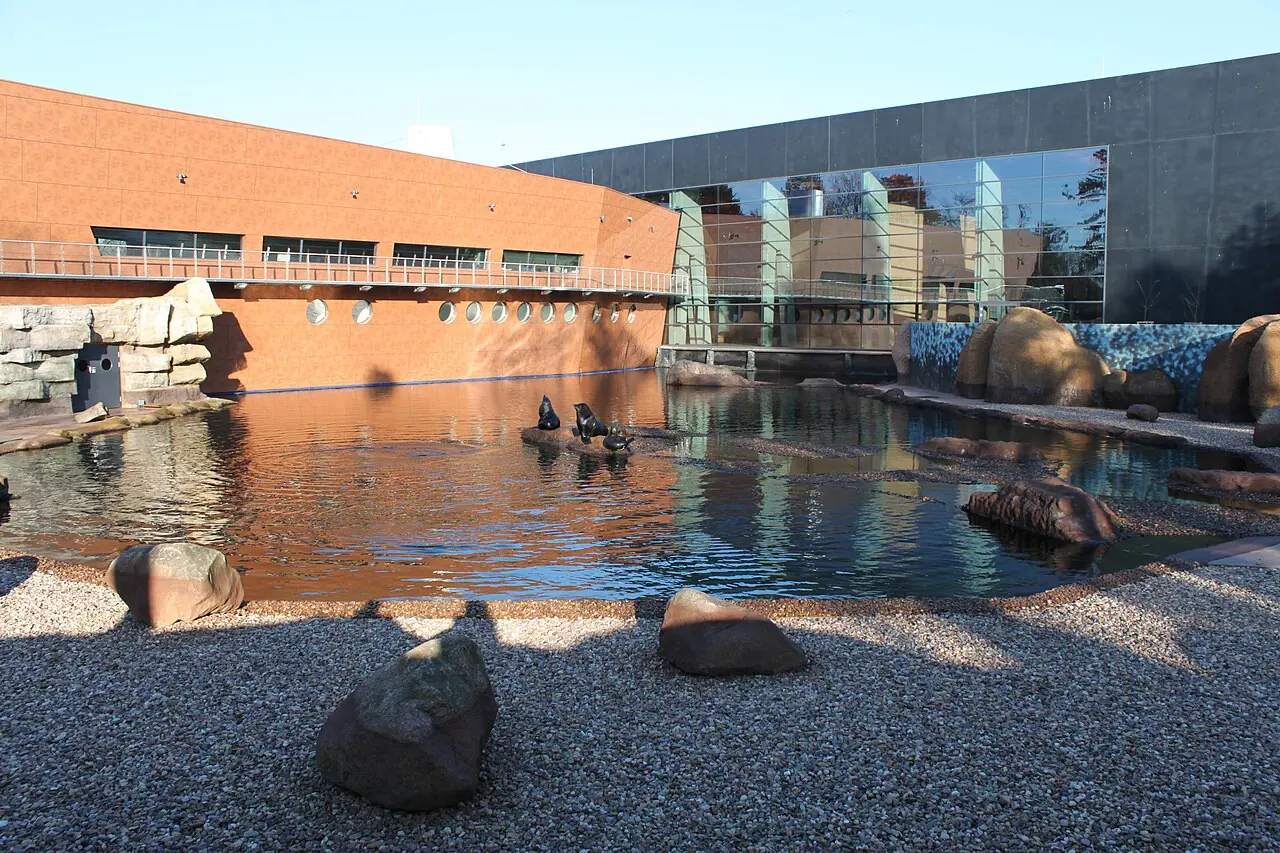 Photo Koroniec, CC BY-SA 4.0, Wikimedia Commons


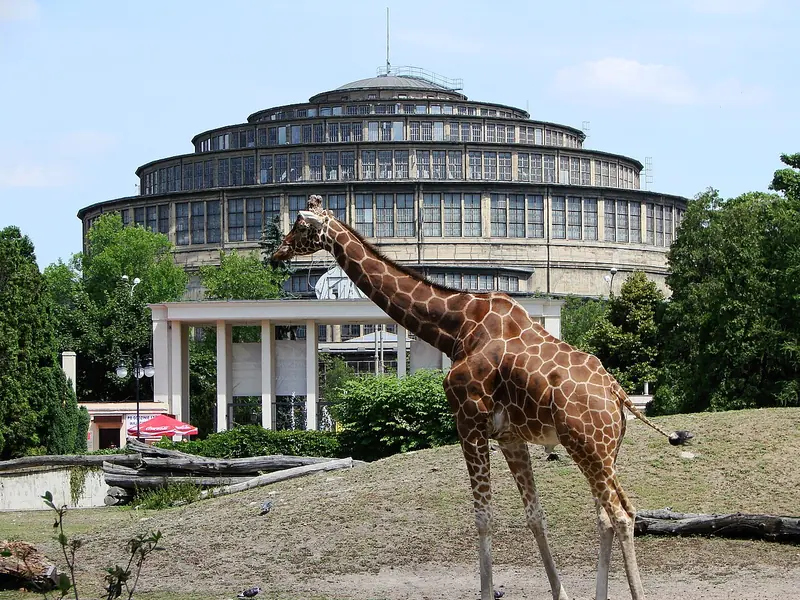 Photo Guérin Nicolas ( messages ), CC BY-SA 3.0, Wikimedia Commons1
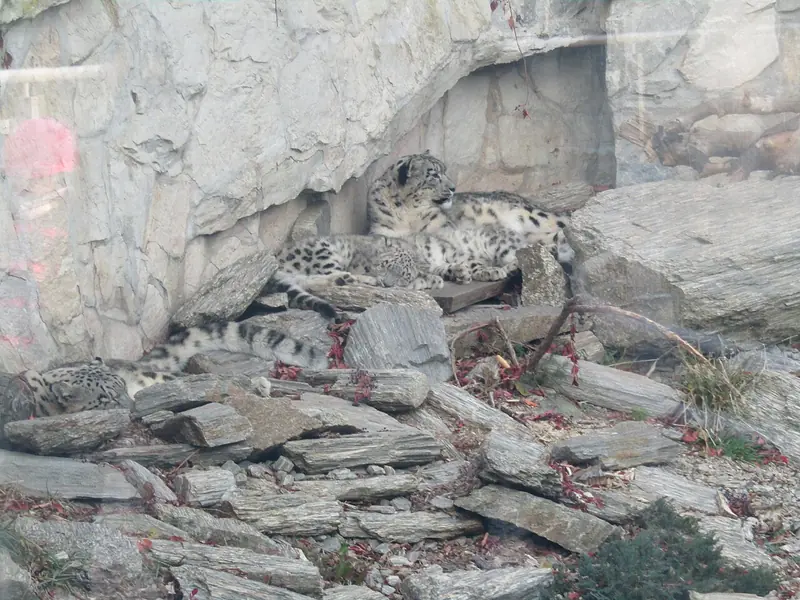 Photo Fiver, der Hellseher, CC BY-SA 4.0, Wikimedia Commons
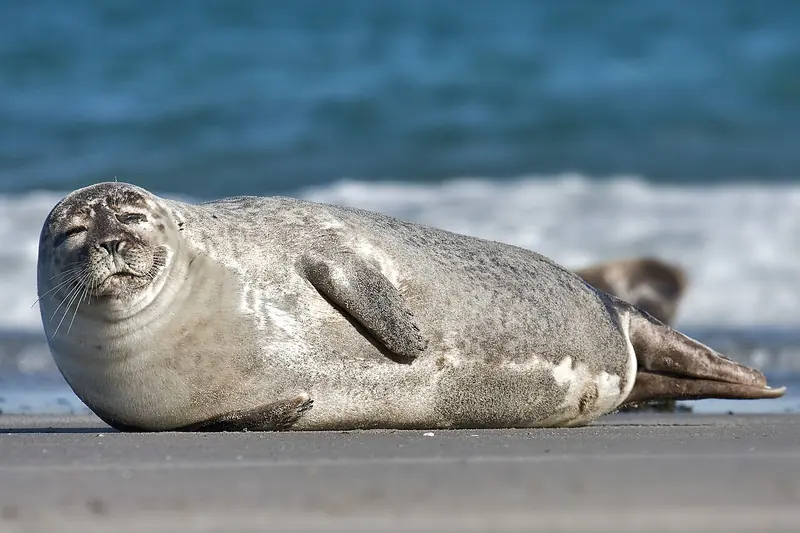 Photo Andreas Trepte, CC BY-SA 2.5, Wikimedia Commons
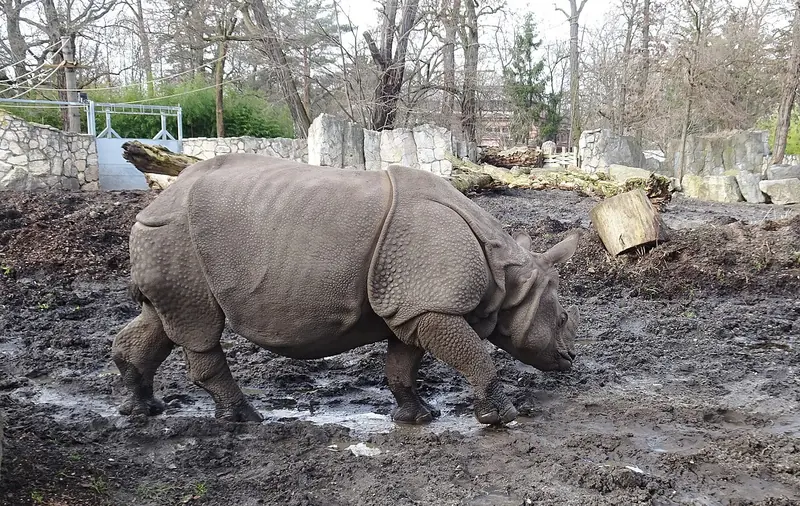 Photo Palickap, CC BY 4.0, Wikimedia Commons
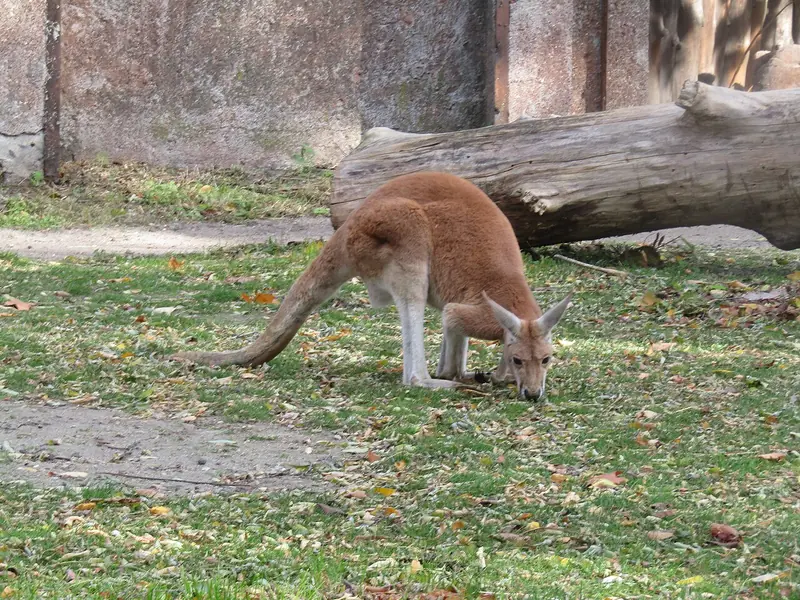 Photo Fiver, der Hellseher, CC BY-SA 4.0, Wikimedia Commons
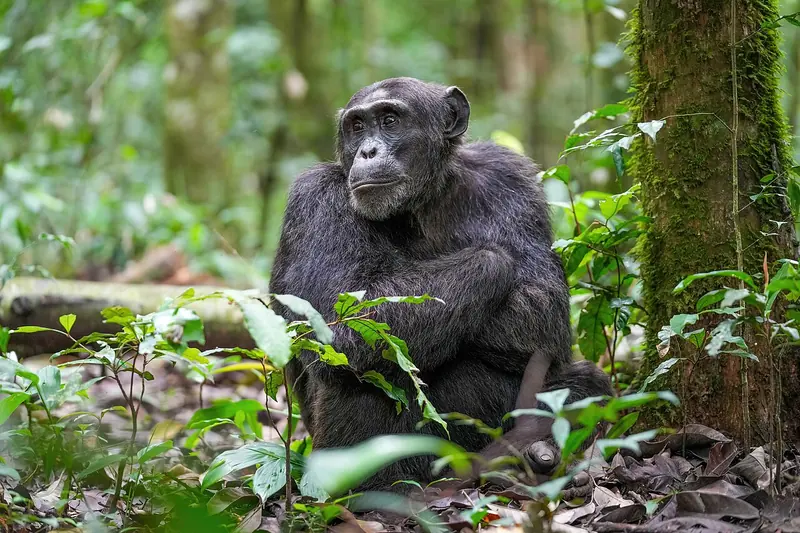 Photo Giles Laurent, CC BY-SA 4.0, Wikimedia Commons
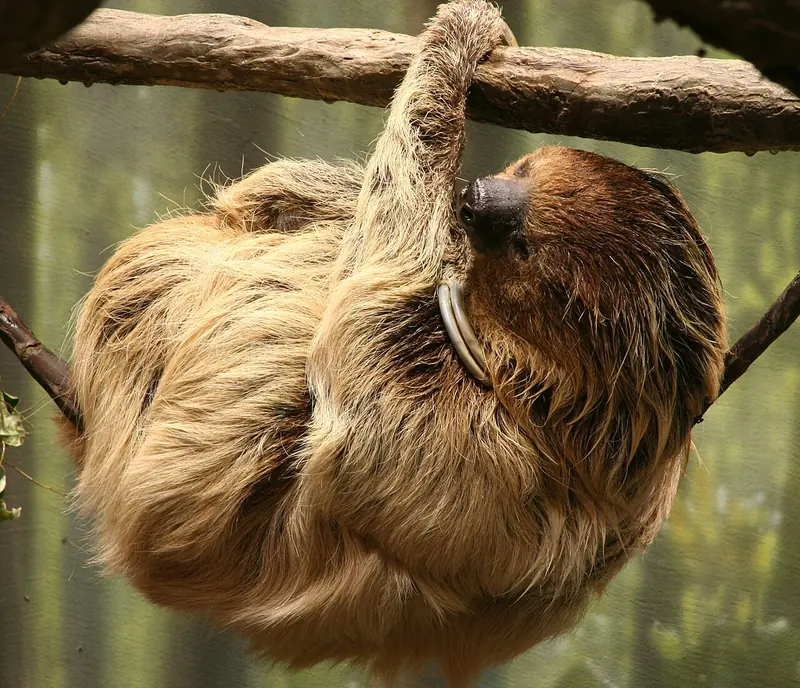 Photo Dave Pape, Public domain, Wikimedia Commons
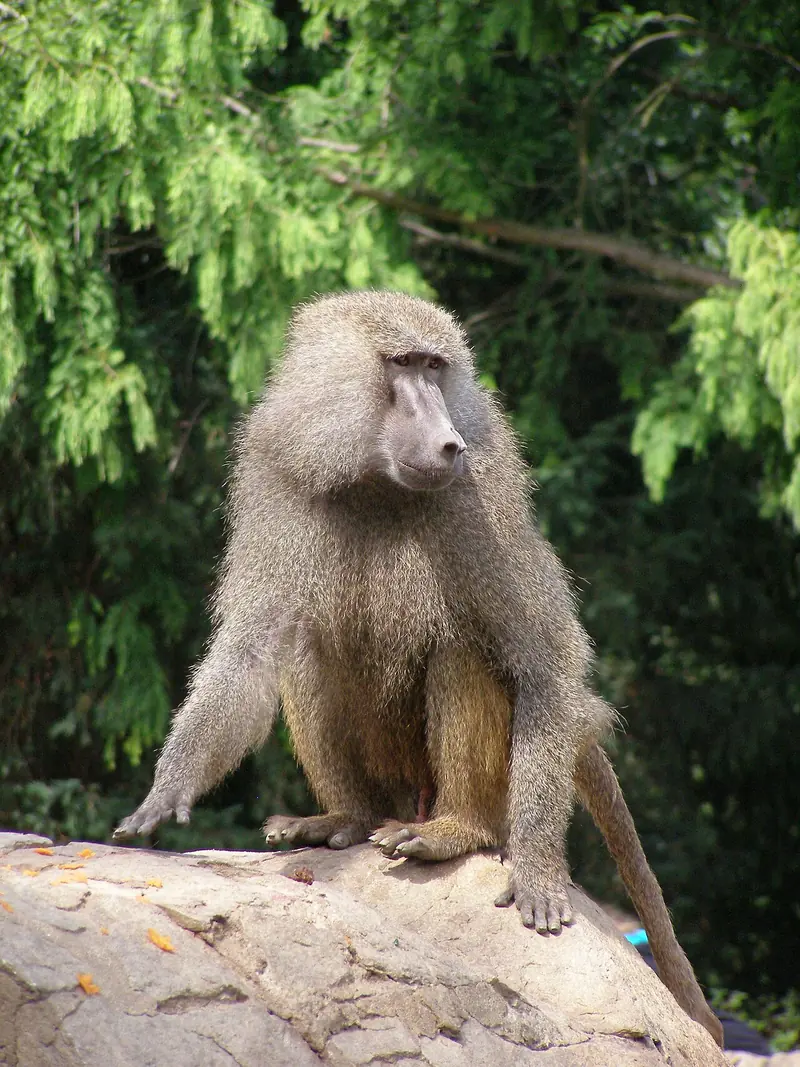 Photo Andrzej Otrębski, CC BY-SA 3.0, Wikimedia Commons
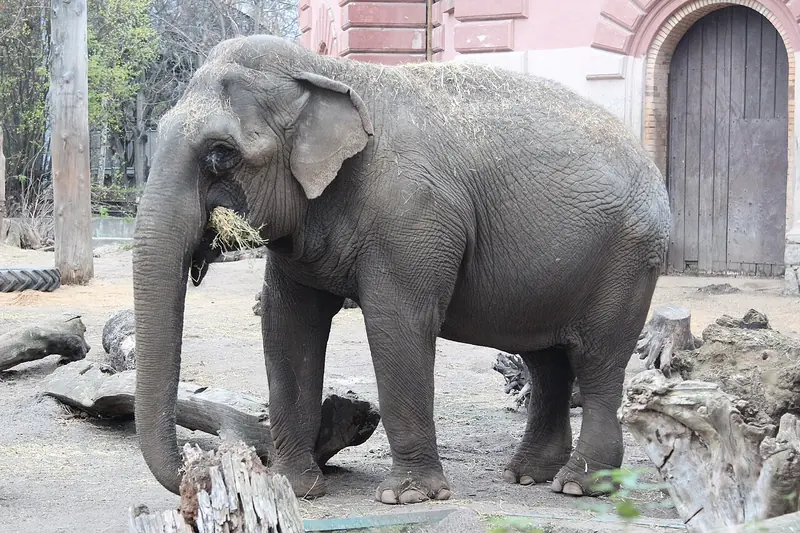 Photo Fallaner, CC BY-SA 4.0, Wikimedia Commons
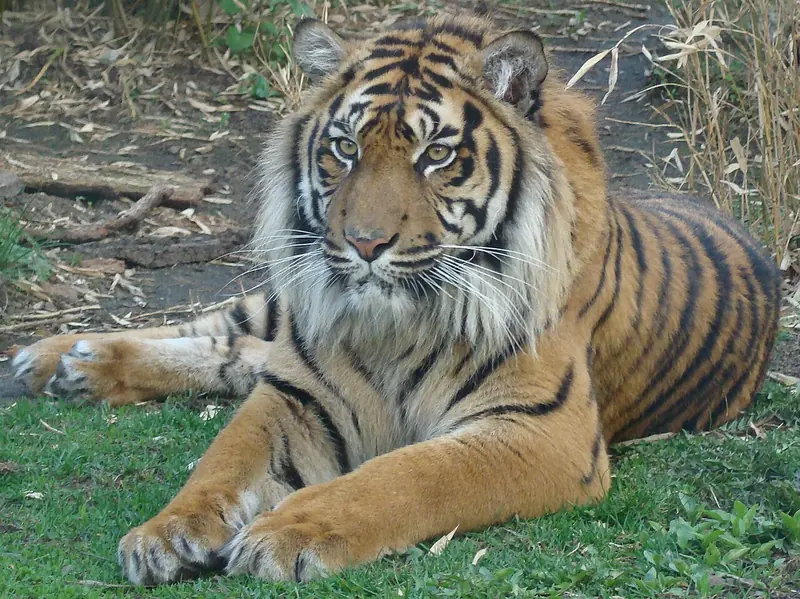 Photo Pełnik, CC BY-SA 3.0, Wikimedia Commons
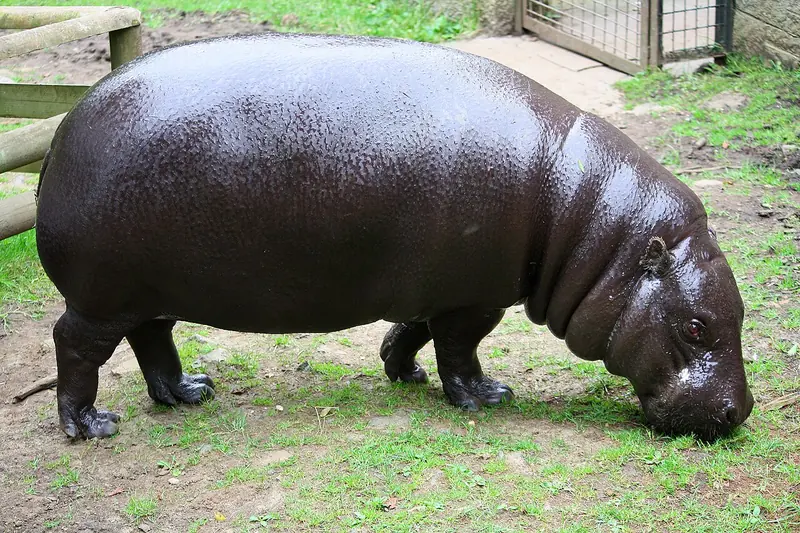 Photo Bardrock, CC BY-SA 3.0, Wikimedia Commons
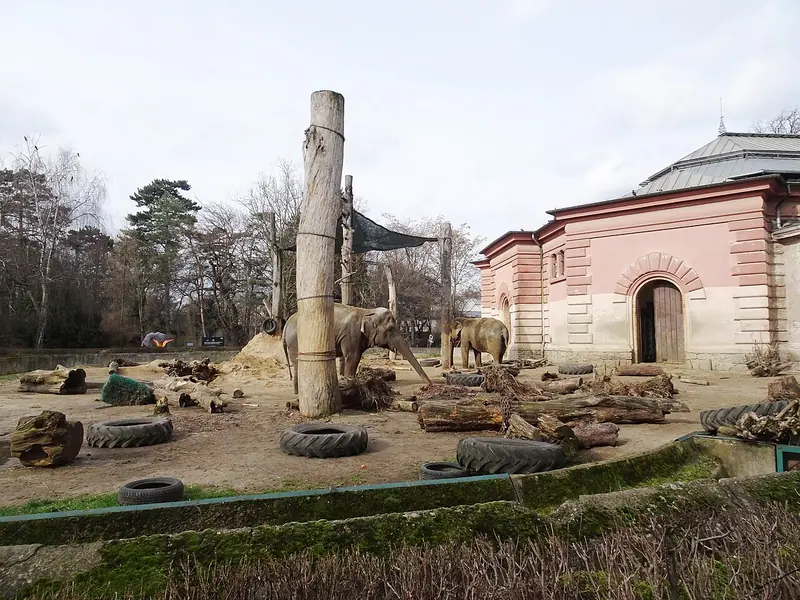 Photo Palickap, CC BY 4.0, Wikimedia Commons
 Photo Panek, CC BY-SA 4.0, Wikimedia Commons
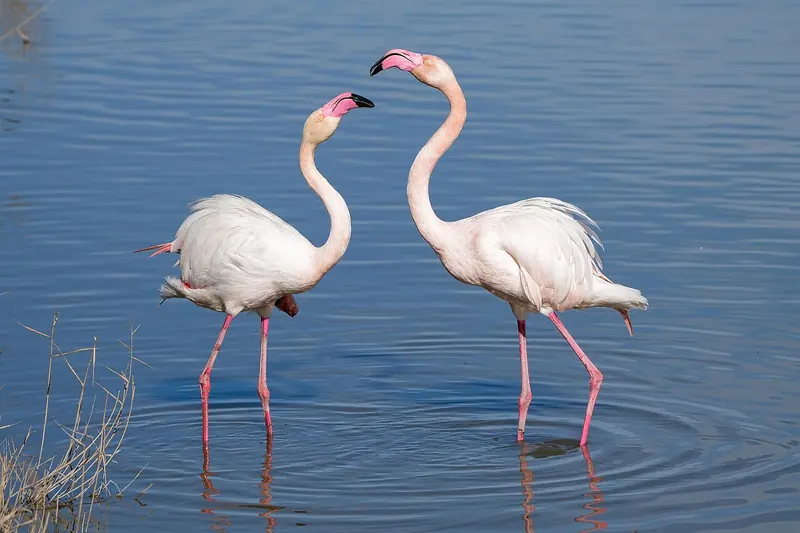 Photo Giles Laurent, CC BY-SA 4.0, Wikimedia Commons
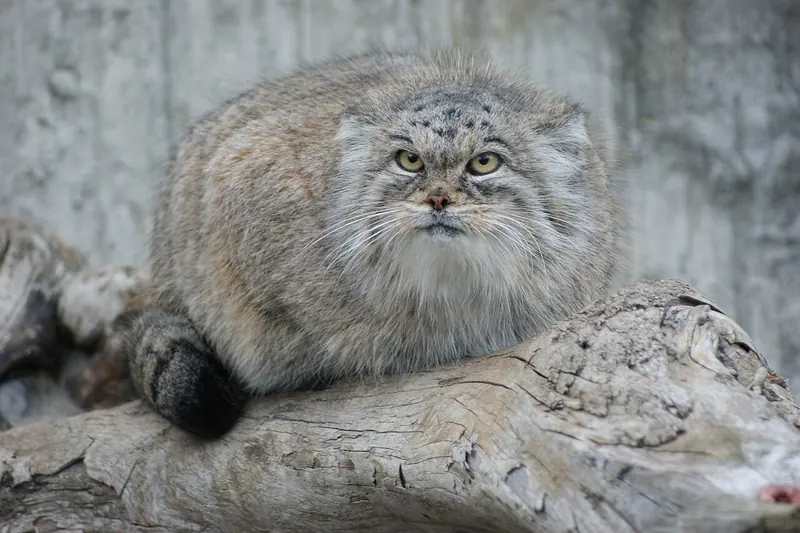 Photo Albinfo, CC BY-SA 3.0, Wikimedia Commons
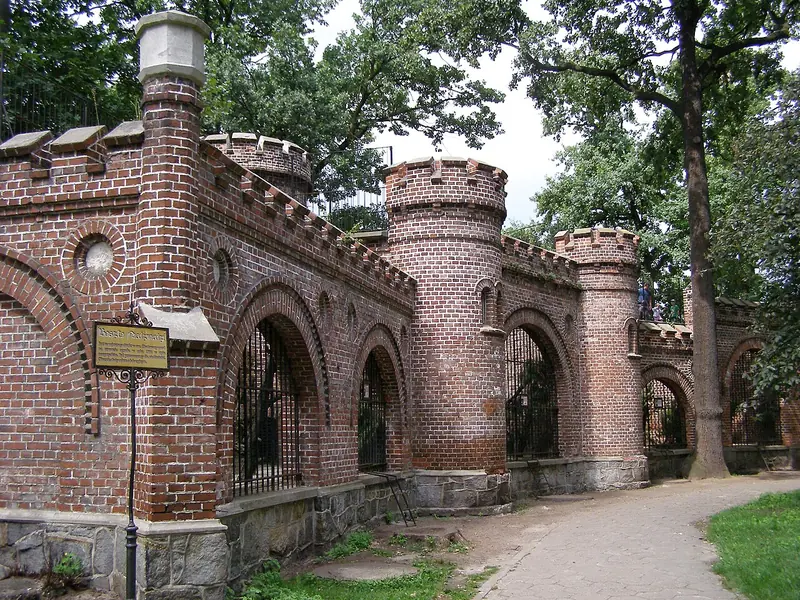 Photo Andrzej Otrębski, CC BY-SA 3.0, Wikimedia Commons
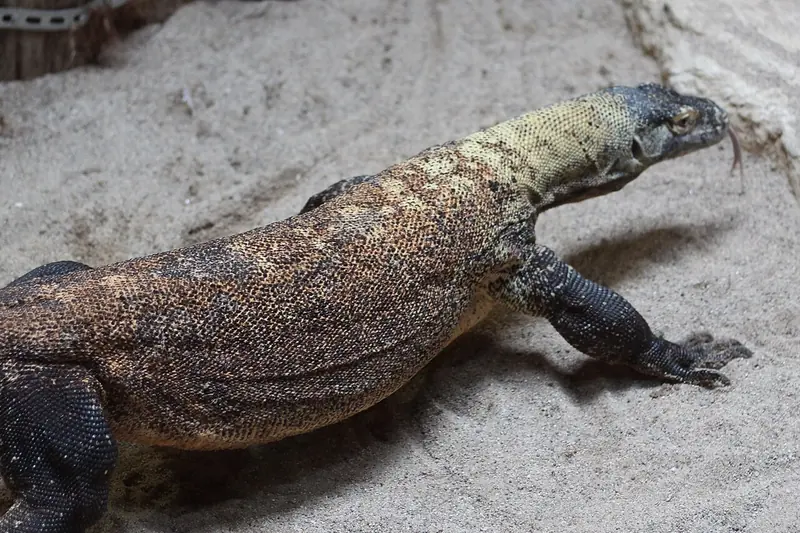 Photo Przemek Pietrak, CC BY-SA 3.0, Wikimedia Commons
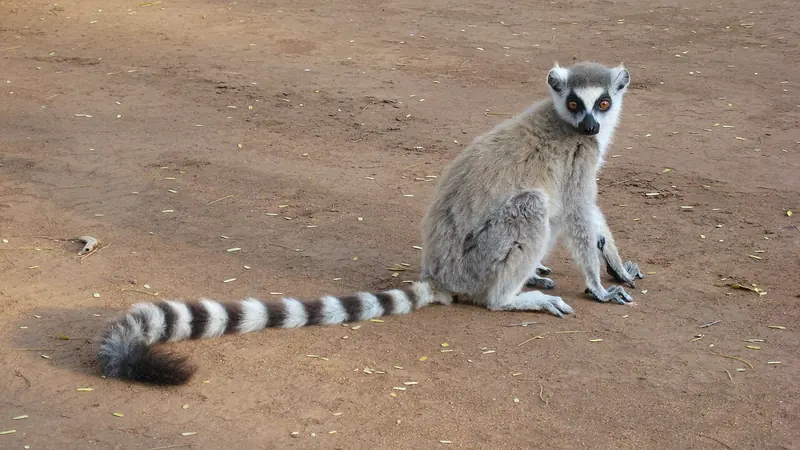 Photo Alex Dunkel ( Maky ), CC BY 3.0, Wikimedia Commons
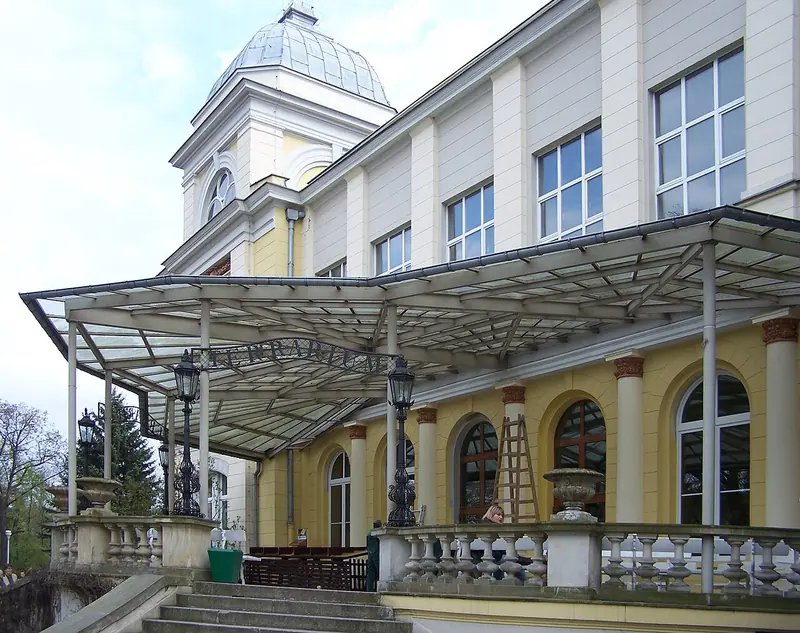 Photo Gorky, Public domain, Wikimedia Commons
 Photo Guérin Nicolas ( messages ), CC BY-SA 3.0, Wikimedia Commons
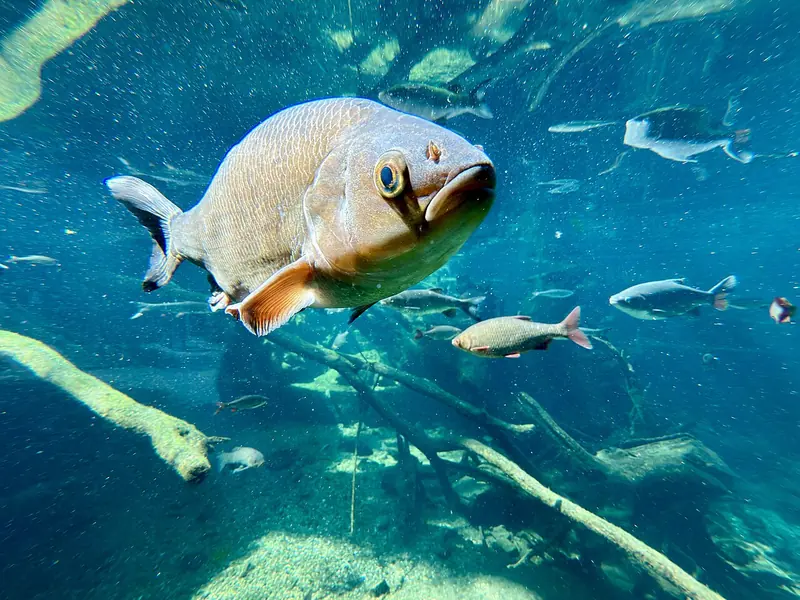 Photo Olgierd Rudak, CC BY-SA 4.0, Wikimedia Commons
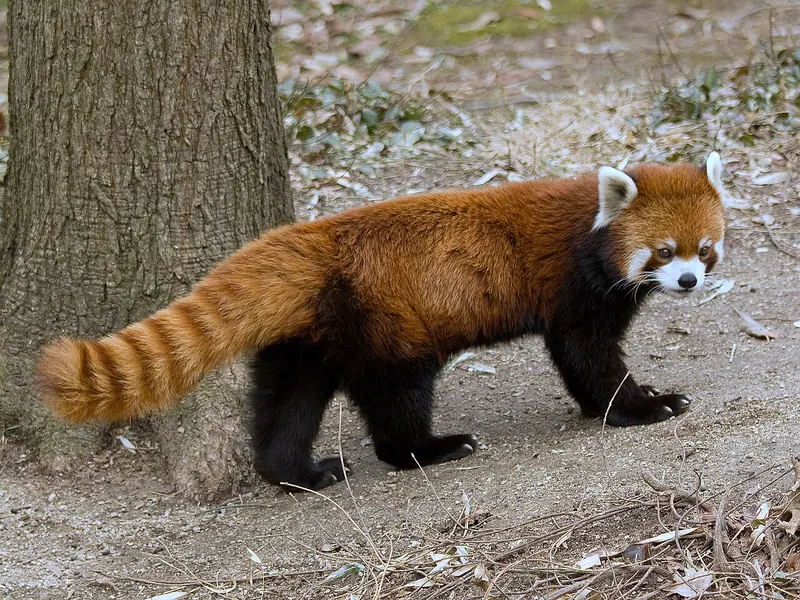 Photo Greg Hume, CC BY-SA 3.0, Wikimedia Commons
 Photo SagbataMaesho, CC BY-SA 4.0, Wikimedia Commons
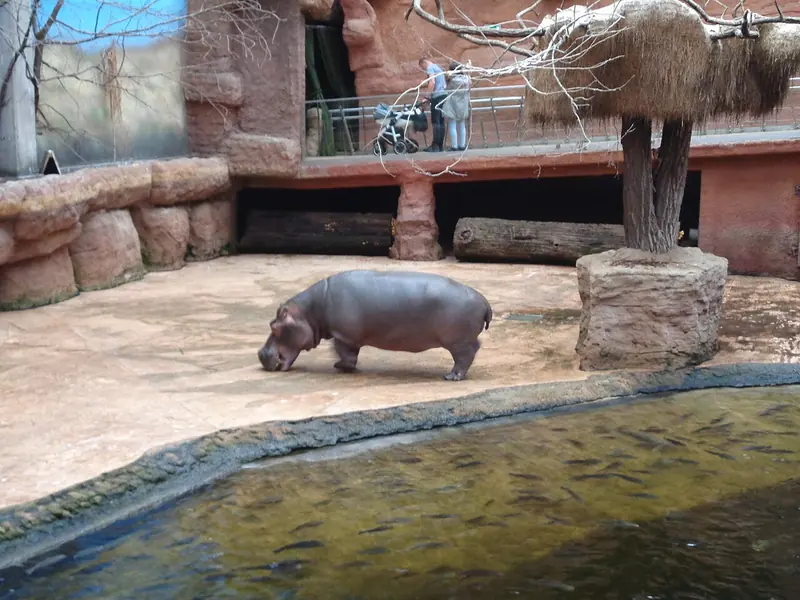 Photo Wolsztyn, CC BY-SA 4.0, Wikimedia Commons
 Photo Lower Silesia, CC BY-SA 4.0, Wikimedia Commons
 Photo Evidamii019, CC BY-SA 4.0, Wikimedia Commons
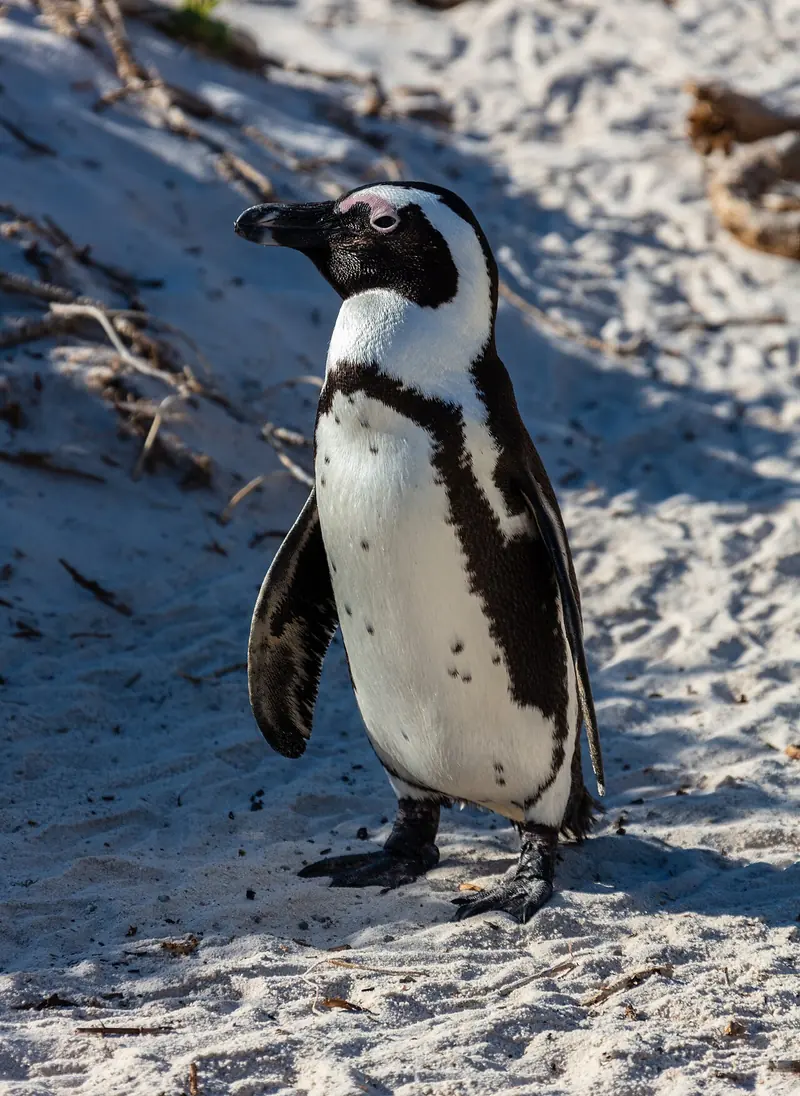 Photo Diego Delso, CC BY-SA 4.0, Wikimedia Commons
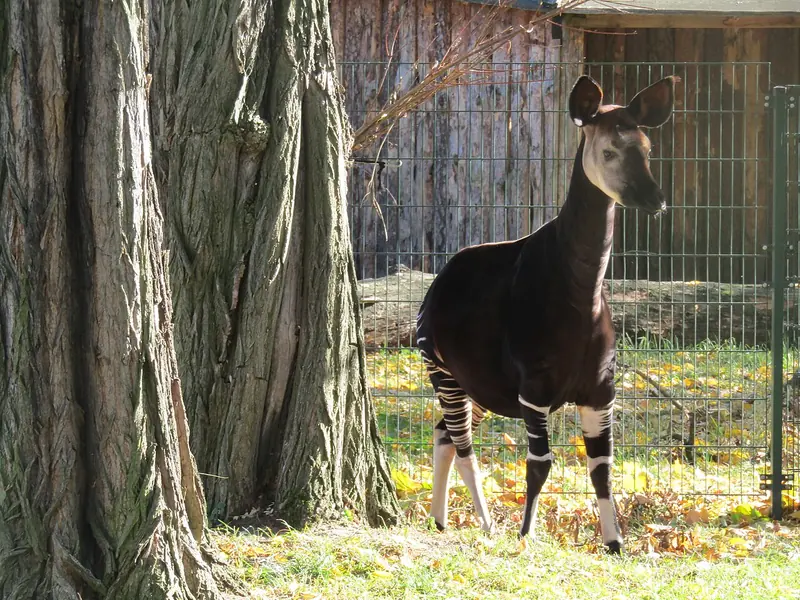 Photo Fiver, der Hellseher, CC BY-SA 4.0, Wikimedia Commons
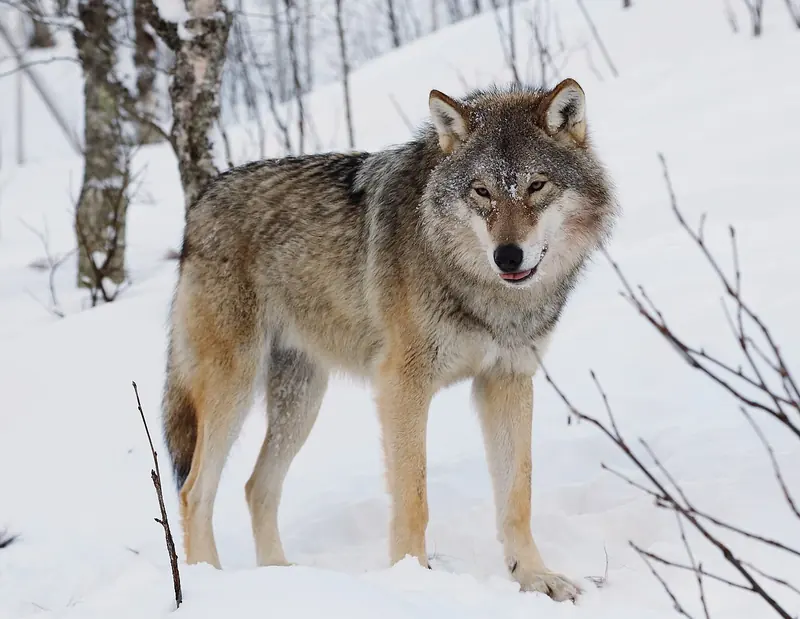 Photo User:Mas3cf, CC BY-SA 4.0, Wikimedia Commons
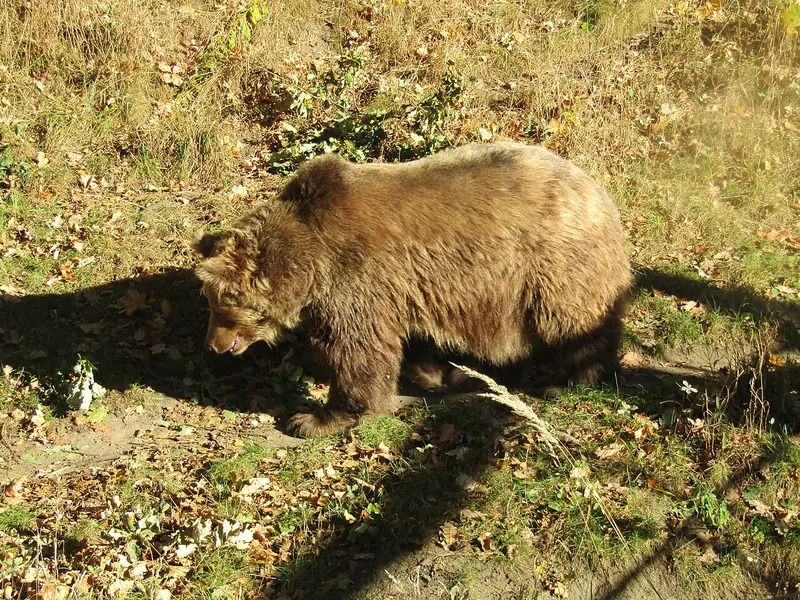 Photo Fiver, der Hellseher, CC BY-SA 4.0, Wikimedia Commons
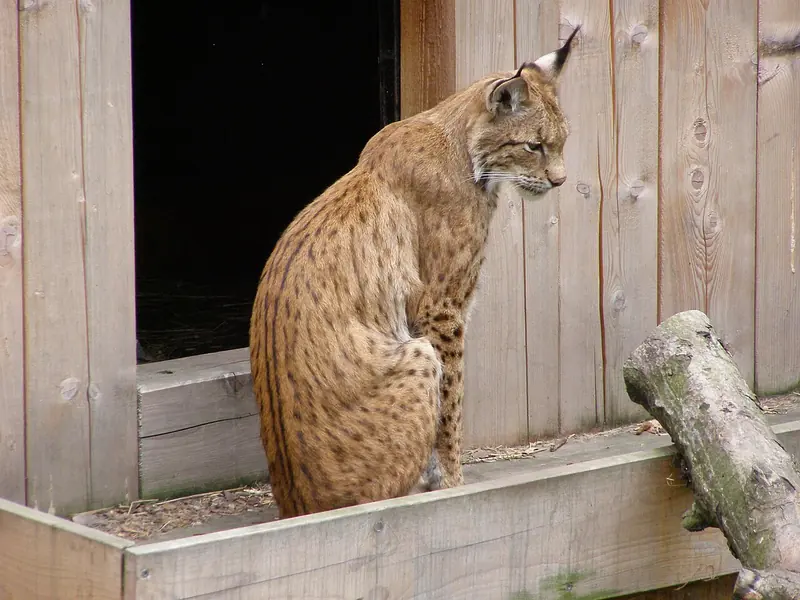 Photo Andrzej Otrębski, CC BY-SA 3.0, Wikimedia Commons
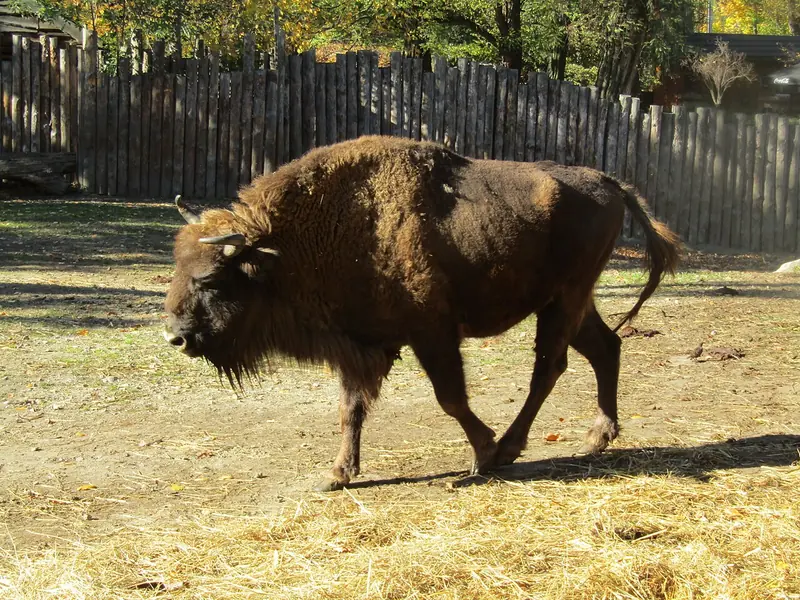 Photo Fiver, der Hellseher, CC BY-SA 4.0, Wikimedia Commons
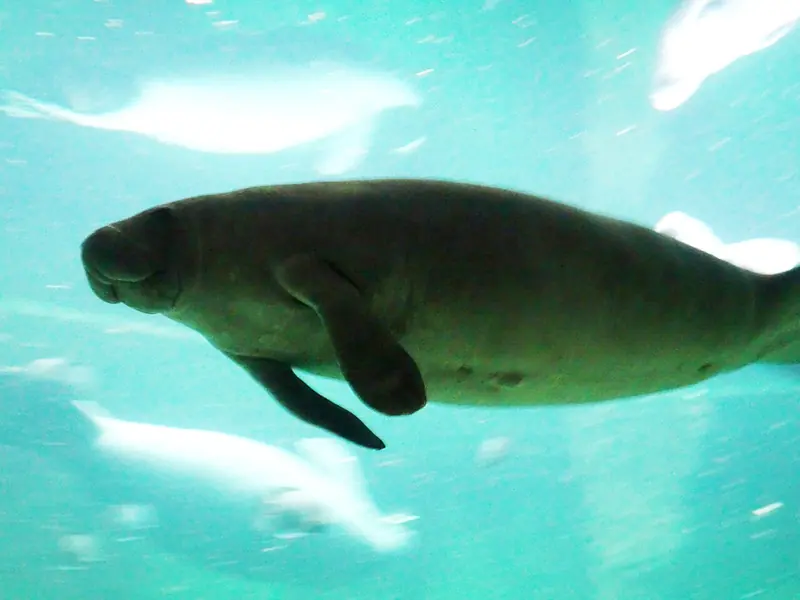 Photo Palickap, CC BY 4.0, Wikimedia Commons
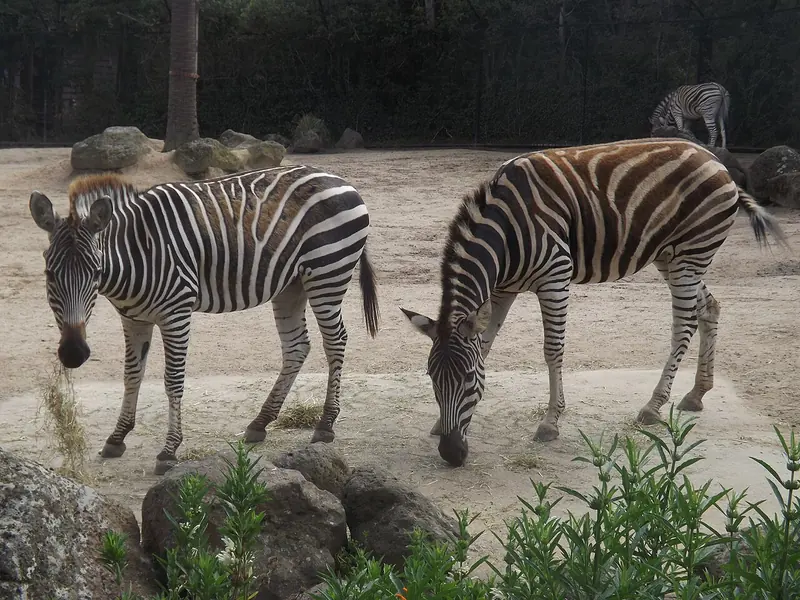 Photo SuperJew, CC BY-SA 4.0, Wikimedia Commons
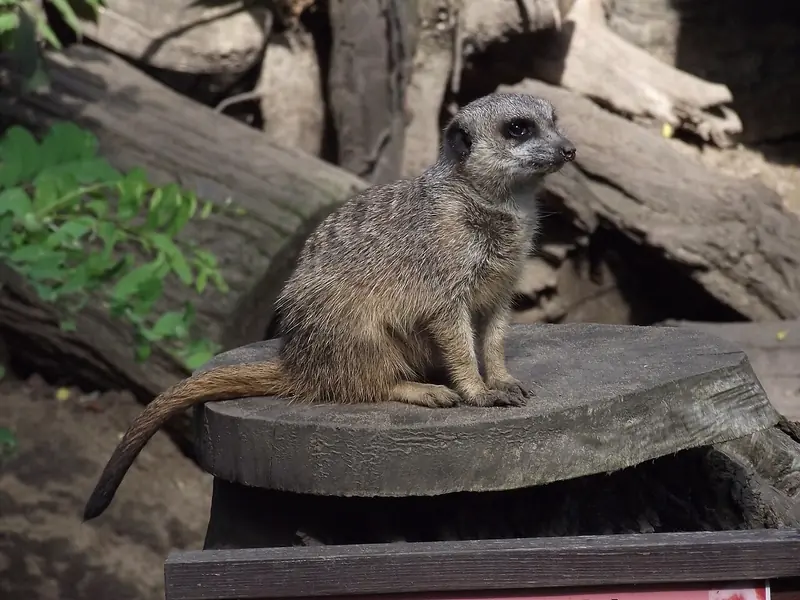 Photo Ainam102, Public domain, Wikimedia Commons
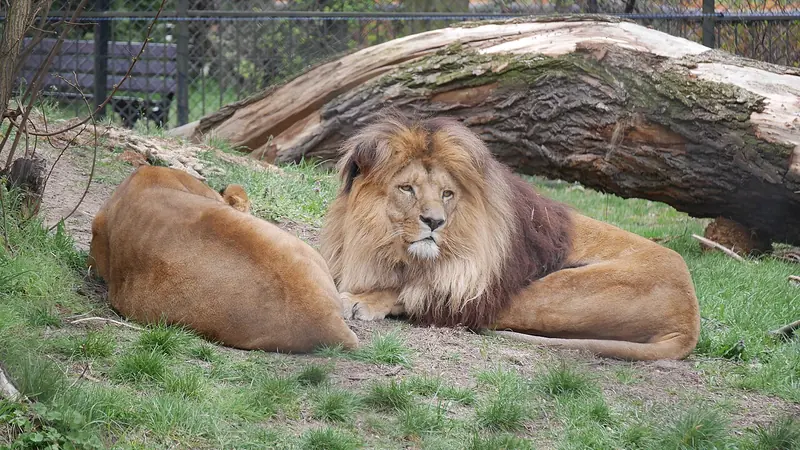 Photo Maciej Opaliński, CC BY-SA 4.0, Wikimedia Commons
 Photo Barbara Maliszewska, CC BY-SA 3.0 pl, Wikimedia Commons
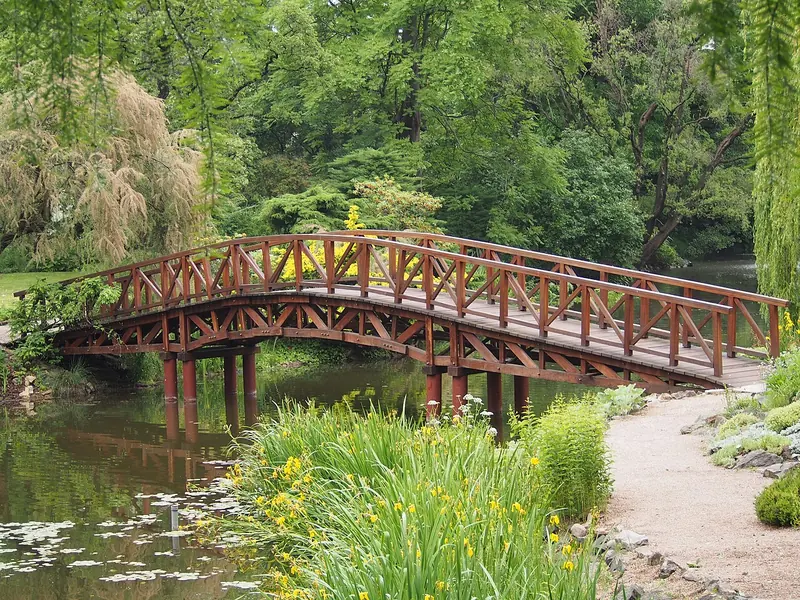 Photo Agnieszka Kwiecień, Nova, CC BY-SA 4.0, Wikimedia Commons
 Photo Dawid Galus, CC BY-SA 3.0 pl, Wikimedia Commons