Photo Zairon, CC BY-SA 4.0, Wikimedia Commons
CastleTrakai, Vilnius County, Lithuania

Trakai: what to see, map and route

Trakai: island castle and Karaim town. In the Turi app, the same map shows your position, guides you from point to point and lets you tick off the places you’ve visited.

6points to see
3on the recommended route
approx. 3 h 30 minvisiting

Before you go

approx. 3 h 30 minat an easy pace, with breaks
4toilets on the map
foodfood places are not on the map yet
The walk starts at the basilica in the centre, passes the ruins of the Peninsula Castle, follows Karaimų Street and ends on the wooden footbridges to the island. The Island Castle and the museum require tickets. Allow about three and a half hours, with time for kibinai, Karaim pastries.
  • At home, open the place in Turi and tap “Save for offline”: the map, descriptions and photos will work without signal.
  • Visit the farthest points first, while you still have energy.
  • Tick things off as you go, and by the exit you’ll know what’s left.

Trakai in the Turi app

Live position, a route from point to point, descriptions to read and listen to. Free, no account, in 12 languages.

Get it for Android

Map of the place

The same map as in the app. Tap a point to see its photo and description; in Turi you’ll see yourselves on it too.

Map: Trakai
1recommended, in route orderother pointsWCtoilets, food, tickets

Something not right? Report it in the app at that point.

Worth seeing

Trakai was one of the main centres of the Grand Duchy of Lithuania. Its most famous sight is the brick castle on an island in Lake Galvė, where Grand Duke Vytautas the Great died in 1430. Since the end of the 14th century the town has been home to the Karaim people, brought here from Crimea by Vytautas the Great.

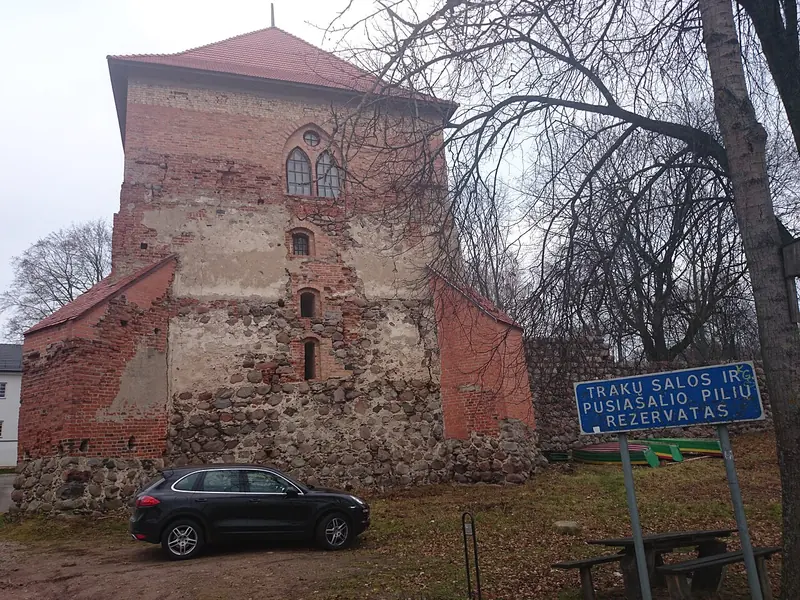
Peninsula Castle ruinsPhoto ViršuLF, CC0, Wikimedia Commons1
Attraction

Peninsula Castle ruins

Duke Kęstutis built the Peninsula Castle around 1350-1377 to defend Trakai and Vilnius against the Teutonic Knights. It had seven towers linked by a ten-metre wall. In 1440 Grand Duke Sigismund Kęstutaitis was murdered here. Destroyed in the 17th century, it was never rebuilt.

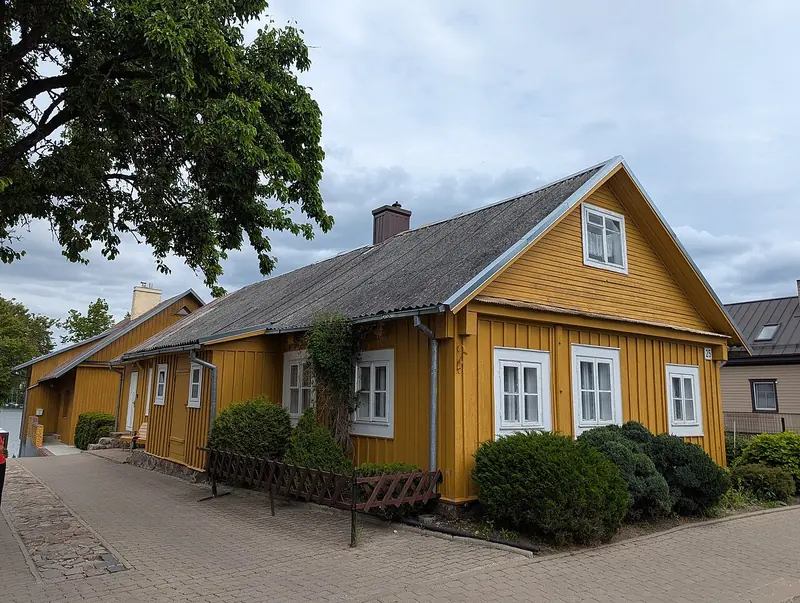
Karaimų StreetPhoto Андрей Романенко, CC BY-SA 4.0, Wikimedia Commons2
Attraction

Karaimų Street

The Karaim people are a small nation speaking a Turkic language. Grand Duke Vytautas the Great brought them to Trakai from Crimea in 1397-1398. Their wooden houses line the street, and in the Karaim museum you will learn about their history and customs.

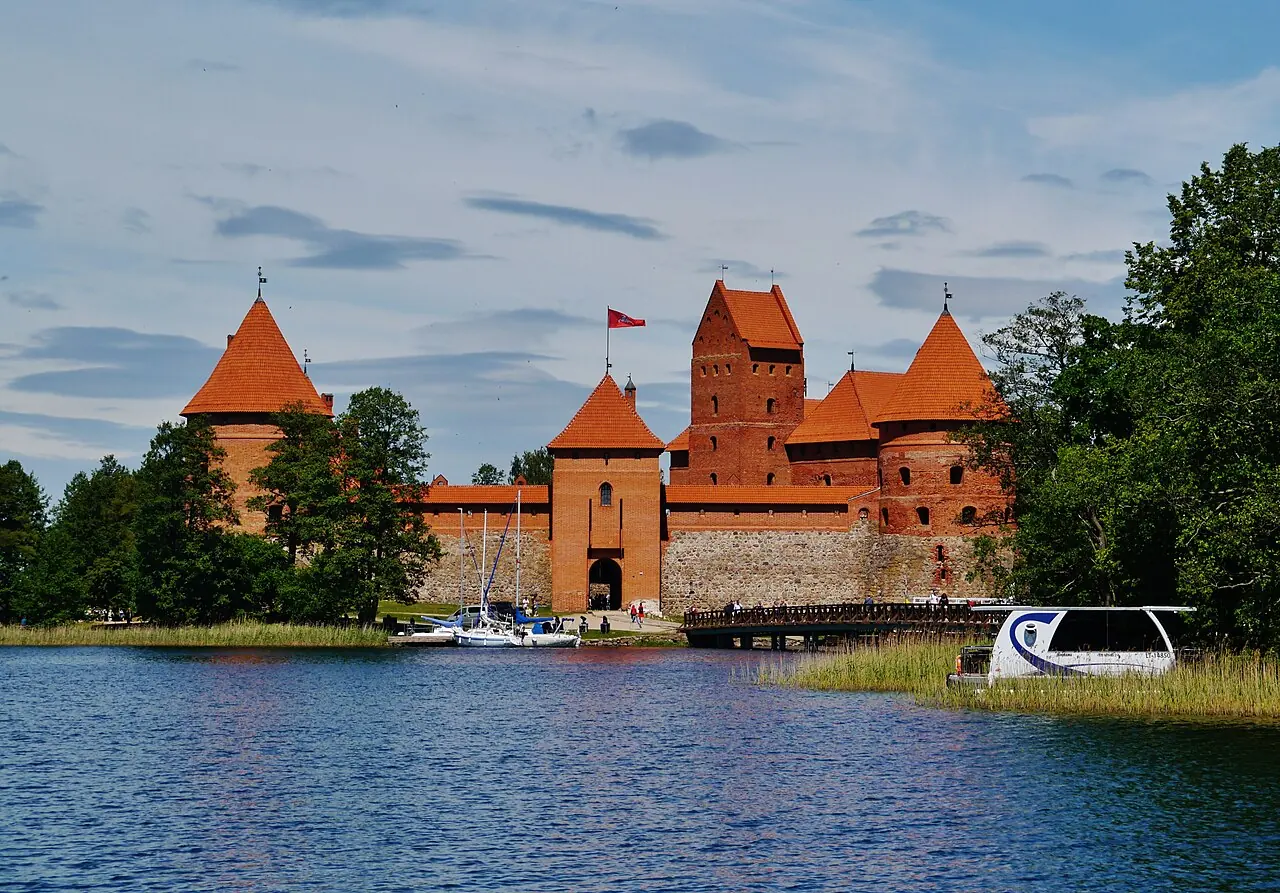
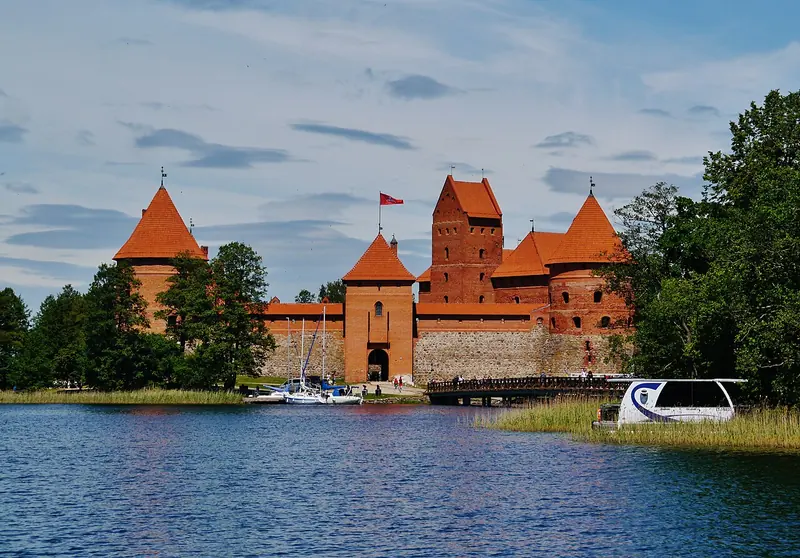
Island CastlePhoto Zairon, CC BY-SA 4.0, Wikimedia Commons3
Attraction

Island Castle

Duke Kęstutis began building the brick castle in the 14th century, and around 1409 the main work was completed by his son Vytautas the Great, who died here in 1430. In 1377 the castle was badly damaged in an attack by the Teutonic Knights. It was rebuilt in the '50s and '60s of the 20th century, and inside is the Trakai History Museum.

All points (10)

Grouped as in the map legend. A star marks recommended points.

Attraction 6
Peninsula Castle ruins ★Duke Kęstutis built the Peninsula Castle around 1350-1377 to defend Trakai and Vilnius against the Teutonic Knights. It had seven towers linked by a ten-metre wall. In 1440 Grand Duke Sigismund Kęstutaitis was murdered here. Destroyed in the 17th century, it was never rebuilt.
Karaimų Street ★The Karaim people are a small nation speaking a Turkic language. Grand Duke Vytautas the Great brought them to Trakai from Crimea in 1397-1398. Their wooden houses line the street, and in the Karaim museum you will learn about their history and customs.
Island Castle ★Duke Kęstutis began building the brick castle in the 14th century, and around 1409 the main work was completed by his son Vytautas the Great, who died here in 1430. In 1377 the castle was badly damaged in an attack by the Teutonic Knights. It was rebuilt in the '50s and '60s of the 20th century, and inside is the Trakai History Museum.
Basilica of the VisitationGrand Duke Vytautas the Great founded the church in 1409, and it was he who gave it its present dedication. In 1718 it was rebuilt in the Baroque style. A painting of the Virgin and Child hangs in the main altar, and since 2017 the church has held the title of minor basilica.
KenesaThe kenesa is the Karaim house of prayer, built in the 18th century in the middle of the old Karaim quarter. After the fires of 1794 and 1812 it was rebuilt straight away. For several decades after the Second World War it was the only working Karaim kenesa in Europe.
View of the castleLake Galvė covers about 361 hectares and has 21 islands. From here you will see the castle on the largest of them. Many legends are told about the lakes around Trakai, and most of them are about unhappy love.
Toilets / tickets / parking 4
Public toilet
Public toilet
Public toilet
Public toilet
TrakaiGet Turi