Gate of Dawn ★The Gate of Dawn is a Gothic city gate from 1503-1514 and the only surviving part of the old Vilnius city walls. Of the five city gates, it is the only one still standing, and the rest were demolished in the 19th century. In the chapel from 1829 on the inner side of the gate hangs the painting of Our Lady of the Gate of Dawn, the religious symbol of the city.
Saint Casimir's Church ★The first Baroque church in the Old Town was built in 1604-1618, after Prince Casimir Jagiellon was canonised. It was modelled on the Il Gesù church in Rome, and the dome is crowned by a grand ducal crown in memory of the patron's office. For several years Saint Andrew Bobola served here as a preacher.
Town Hall ★The Gothic town hall was rebuilt in 1785-1799 by Laurynas Gucevičius, who added a portico with six columns. From 1811 to 1924 it housed a theatre, and on 1 January 1848 Stanisław Moniuszko's opera Halka had its world premiere here. Today the town hall is used for city ceremonies.
Vilnius University ★The university was founded in 1579 by King Stephen Báthory as a Jesuit academy. Lectures were given in Latin, and scholars were brought in from all over Europe. For centuries it was the only institution of higher education in the Grand Duchy of Lithuania.
Church of Saints John ★The Church of Saints John is part of the university complex. The first Gothic parish church was built here in 1387-1426, and Johann Christoph Glaubitz gave it its Baroque appearance. The bell tower is 69 metres tall and is the highest building in the Old Town. Graduation ceremonies have been held here since the 16th century.
Saint Anne's Church ★Saint Anne's Church is a gem of late Gothic architecture from the turn of the 15th and 16th centuries. It was funded by Alexander Jagiellon and most probably built by Michael Enkinger, a master builder from Gdańsk. According to a story, Napoleon would gladly have moved this church to Paris. Behind it stand the Bernardine church and monastery.
Užupis ★Užupis lies across the Vilnia river and used to be an artists' district, known as the Montmartre of Vilnius. On 1 April 1997 artists declared the tongue-in-cheek Republic of Užupis here, with its own president and constitution. The constitution is engraved on a wall in Paupio Street in many languages, including Polish.
Cathedral of Saint Stanislaus and Saint Ladislaus ★The Grand Dukes of Lithuania and King Alexander Jagiellon are buried in the cathedral. Laurynas Gucevičius gave it its Neoclassical appearance after 1777. Saint Casimir's Chapel is the only original chapel from before this rebuilding. Next to the cathedral stands a separate bell tower.
Palace of the Grand Dukes of Lithuania ★For four centuries the palace was one of the centres of power of the Polish-Lithuanian Commonwealth. Sigismund the Old extended it, and in 1801 the palace was demolished. Reconstruction lasted from 2002 to 2018, and today it houses a museum with Renaissance style halls.
Gediminas' Tower ★The Upper Castle stood on Castle Hill, and after a fire in 1419 Vytautas the Great rebuilt it in brick. Of the whole castle, only the western tower survives, known as Gediminas' Tower. After war damage it was rebuilt in 1956-1960 as a museum. From the tower there is a view over the whole Old Town.
Site of the Great SynagogueOn the former Jewish Street stood the Great Synagogue, built in 1630-1633, the heart of Jewish Vilnius. The main hall held about 300 people, and in 1886 the famous Strashun Library was founded next to it. The building was destroyed in the war, and the Soviet authorities demolished what was left.
Presidential PalaceThe former bishops' palace is now the official residence of the President of Lithuania. After fires in the 18th century it was rebuilt by Laurynas Gucevičius, and the palace gained its present Empire style appearance in 1824-1834. In 1812 it was home first to Tsar Alexander I and then to Napoleon.
Literatų StreetThe walls of this narrow lane are hung with plaques dedicated to writers connected with Vilnius and Lithuania. The first were put up in 2009, when Vilnius was the European Capital of Culture, and today there are about 200 of them. In 1823 Adam Mickiewicz lived here briefly. Look for the most interesting plaque with your children.

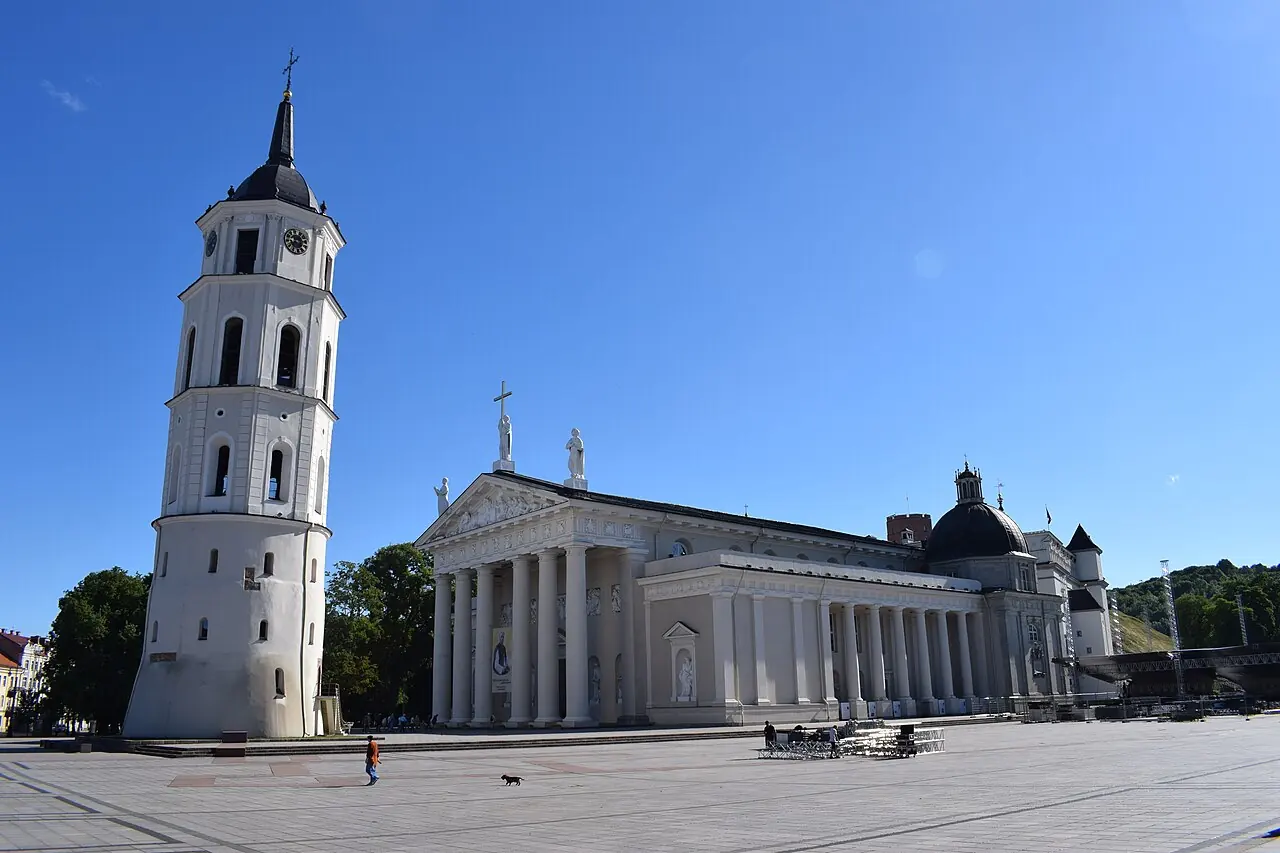 Photo Erko, CC BY-SA 4.0, Wikimedia Commons

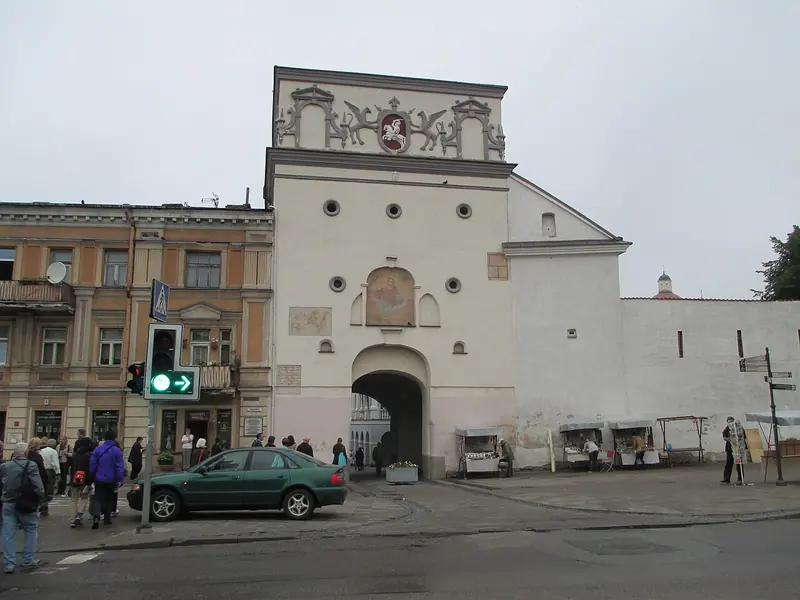 Photo Avi1111 dr. avishai teicher, CC BY-SA 3.0, Wikimedia Commons1
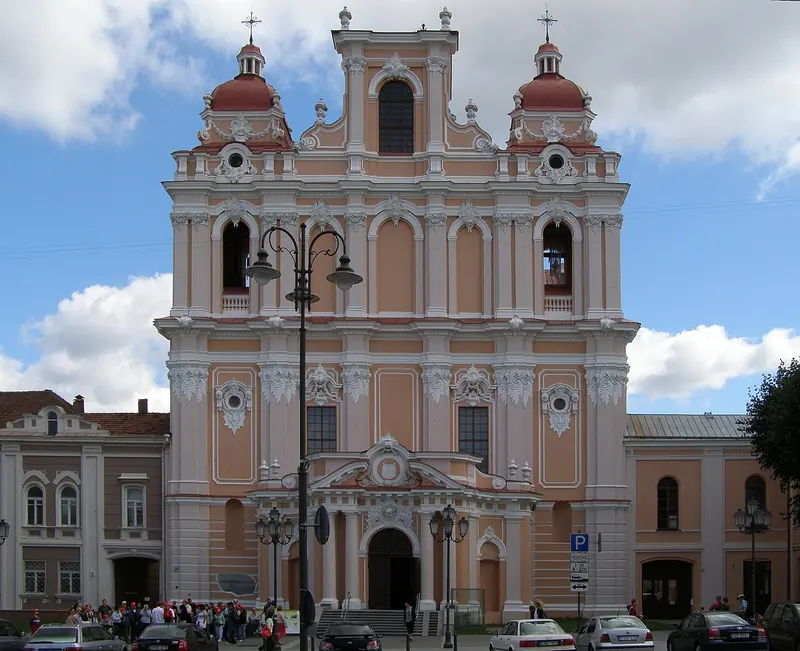 Photo Krzysztof Mizera, CC BY-SA 4.0, Wikimedia Commons
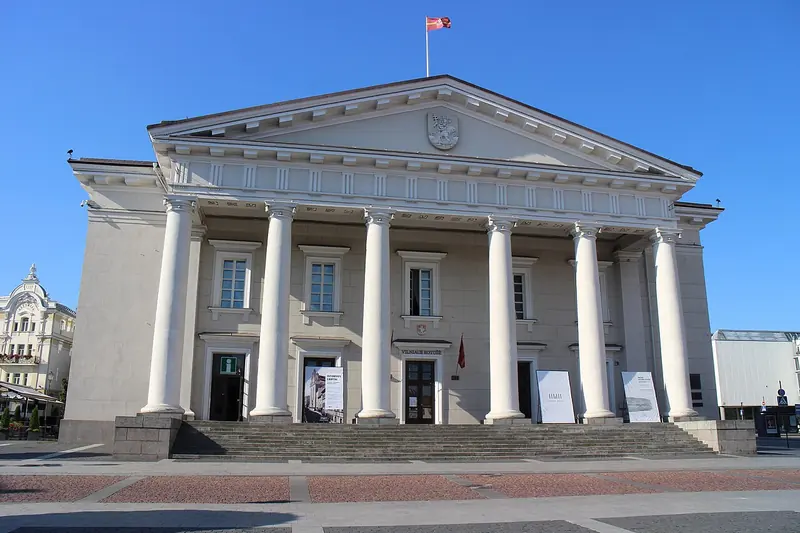 Photo Suicasmo, CC BY-SA 4.0, Wikimedia Commons
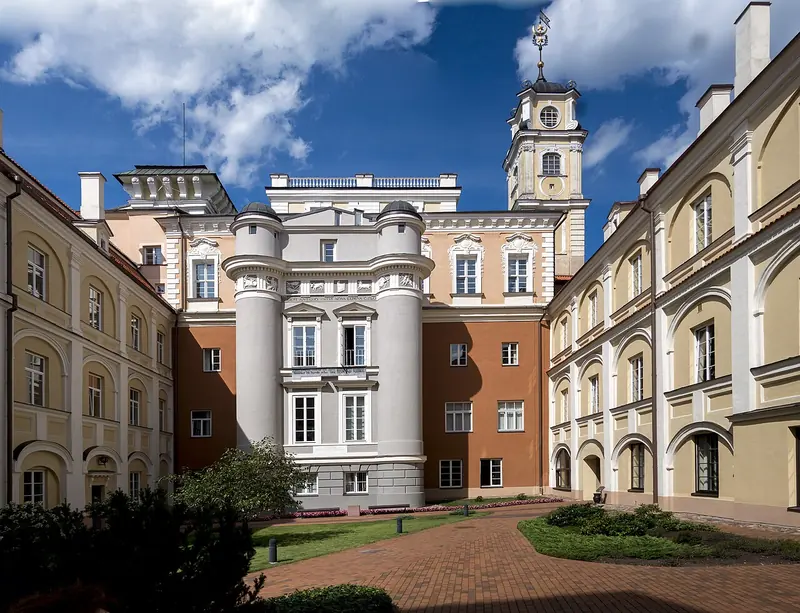 Photo Jerzy Strzelecki, CC BY-SA 3.0, Wikimedia Commons
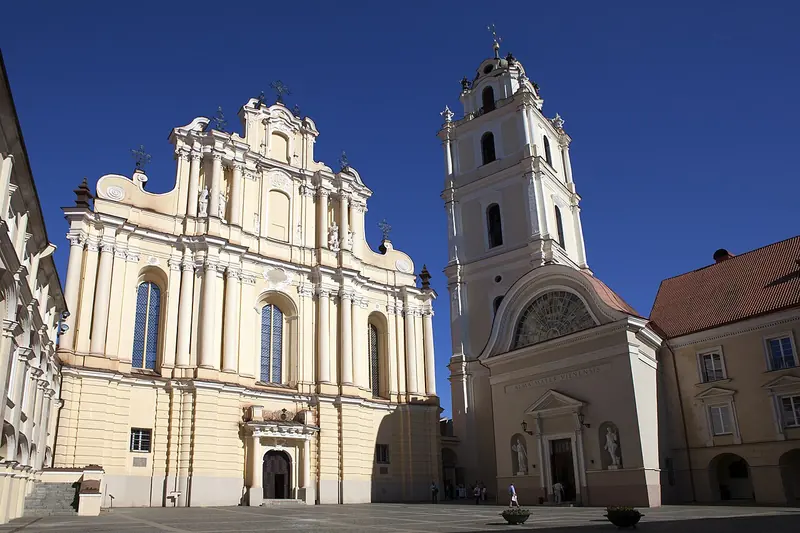 Photo Olga1969, CC BY 4.0, Wikimedia Commons
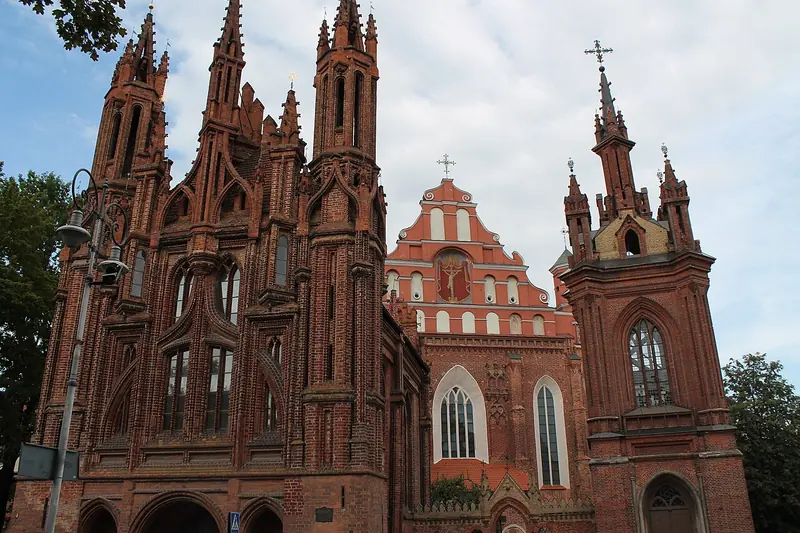 Photo John Samuel, CC BY-SA 4.0, Wikimedia Commons
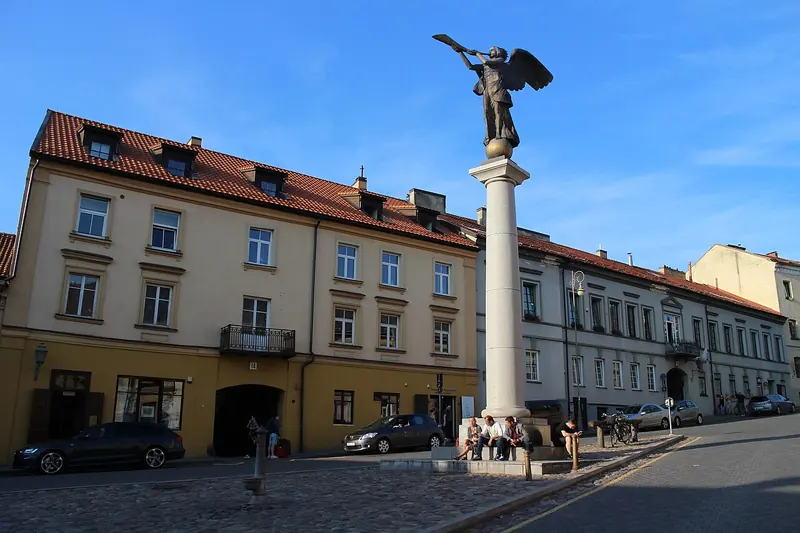 Photo Suicasmo, CC BY-SA 4.0, Wikimedia Commons
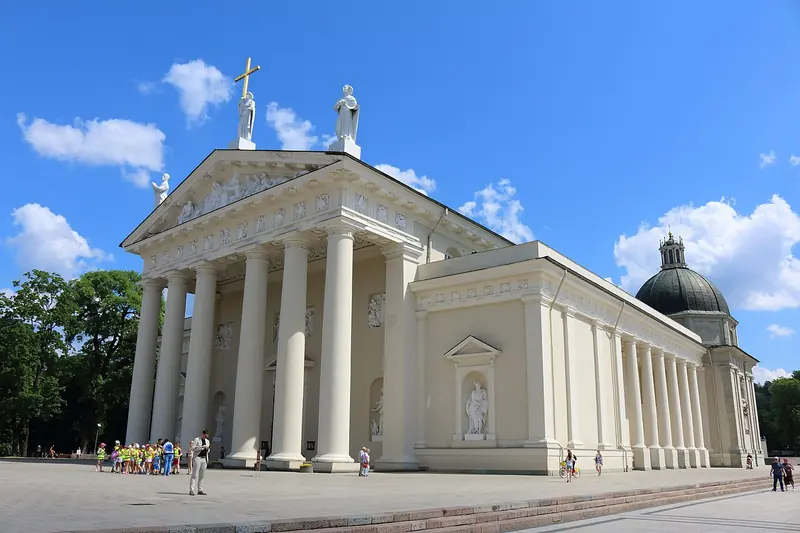 Photo FrDr, CC BY-SA 4.0, Wikimedia Commons
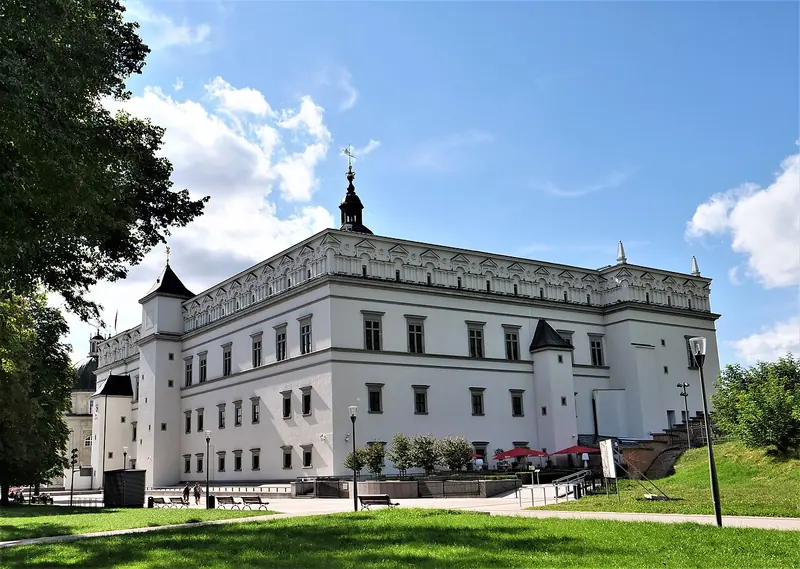 Photo Barnos, CC BY-SA 4.0, Wikimedia Commons
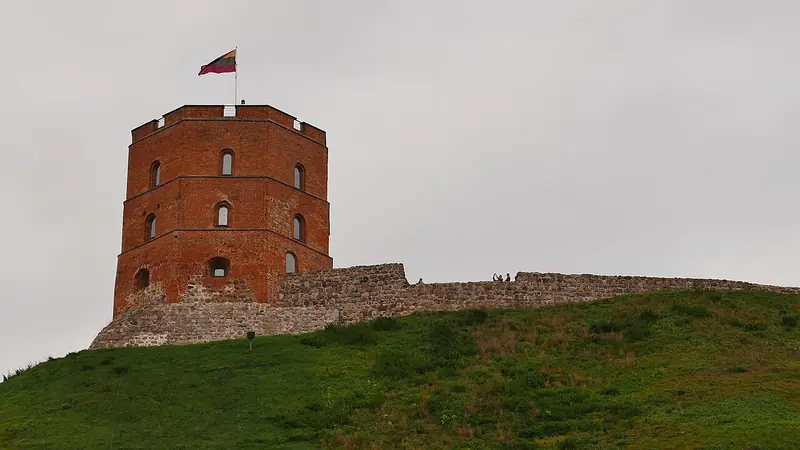 Photo Ken Eckert, CC BY-SA 4.0, Wikimedia Commons
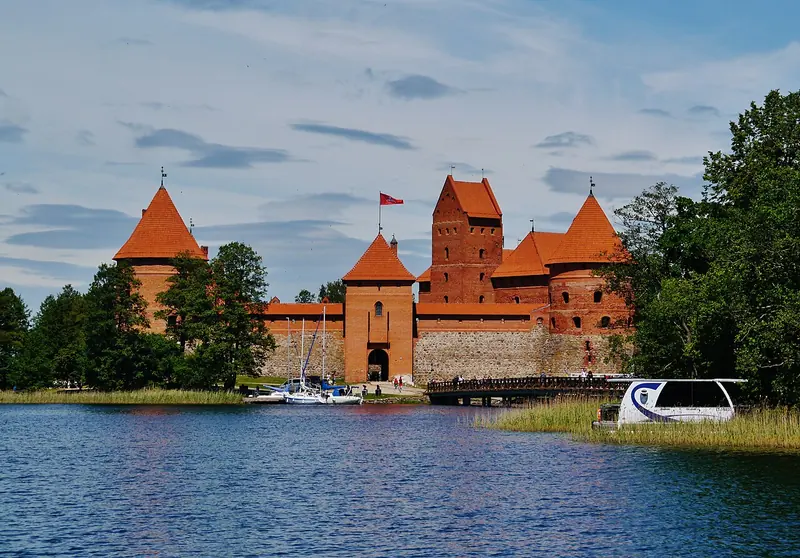 Photo Zairon, CC BY-SA 4.0, Wikimedia Commons
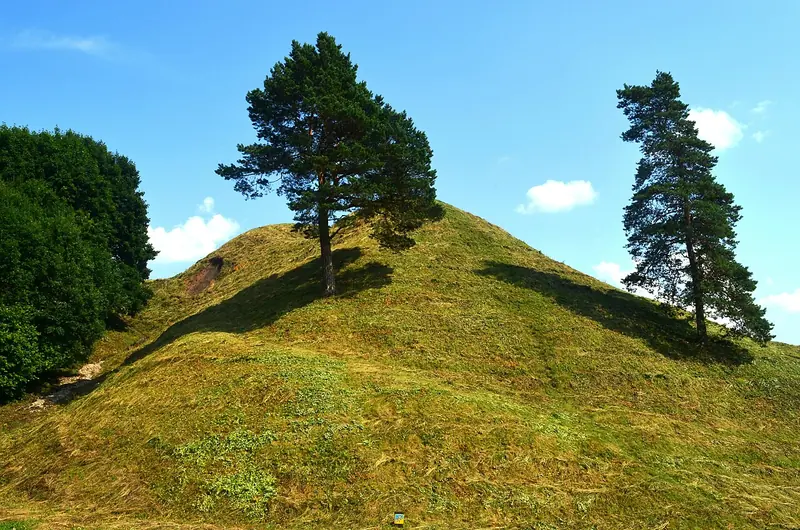 Photo Hugo.arg, Public domain, Wikimedia Commons
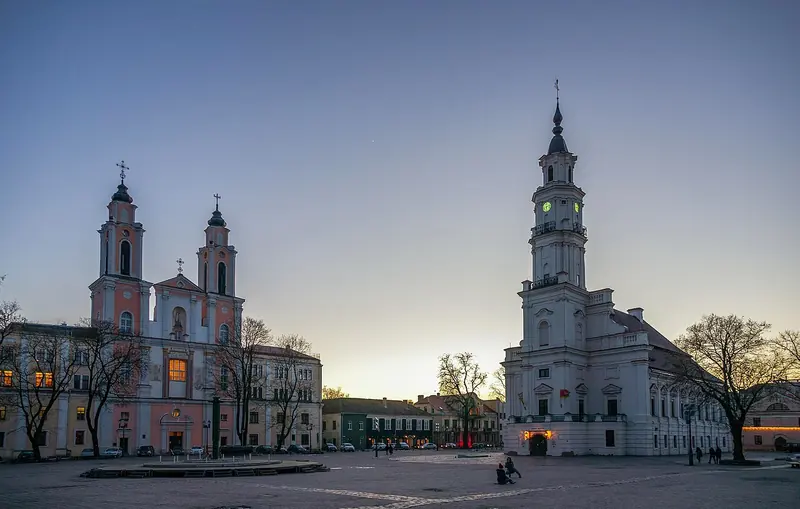 Photo Guillaume Speurt, CC BY-SA 2.0, Wikimedia Commons