The walk starts and ends at the zoo entrance next to Weiherburg Castle, at Weiherburggasse 37a. You can get here on the Hungerburgbahn funicular from the valley station at Rennweg 3 in the centre to the Alpenzoo station, from where it is a short walk, or on bus line W, which runs from Marktplatz straight to the zoo. From the old town you can walk here in about 20 minutes. The car park at the zoo is paid and is often full at weekends. A ticket costs 16 euros, children aged 6 to 17 pay 9 euros, and children aged 4-5 pay 4 euros. You can buy a combined ticket at the valley station of the funicular: it covers the return journey and admission, 23 euros for an adult and 14 euros for a child. The zoo is open every day: from April to October from 9:00 to 18:00, and from November to March from 9:00 to 17:00. In winter you can see almost all the animals; marmots and snakes, among others, hibernate. The zoo lies on a slope, so the route is a constant series of climbs and descents, with steps in several places. The lower part is easy with a pushchair, but you can only manage the steep paths in the upper part with a pushchair if someone helps you. People with limited mobility can book in advance and ride up to the highest enclosures in the Bärenmobil vehicle. According to the zoo map, there are toilets at the entrance next to the restaurant, at the very bottom next to the playground, in the upper part next to the ibex and next to the griffon vulture aviary. The zoo has the Animahl bistro, and Weiherburg Castle has a restaurant serving Tyrolean food. Dogs are not allowed, except assistance dogs. If you are already in the zoo, Turi will guide you from the nearest point. Allow about 2-3 hours.
At home, open the place in Turi and tap “Save for offline”: the map, descriptions and photos will work without signal.
Visit the farthest points first, while you still have energy.
Tick things off as you go, and by the exit you’ll know what’s left.
Alpenzoo in the Turi app
Live position, a route from point to point, descriptions to read and listen to. Free, no account, in 12 languages.
The same map as in the app. Tap a point to see its photo and description; in Turi you’ll see yourselves on it too.
1recommended, in route orderother pointsWCtoilets, food, tickets
Something not right? Report it in the app at that point.
Worth seeing
Alpenzoo is one of the highest-lying zoos in Europe: it sits on a slope at the foot of the Nordkette range, at an altitude of about 650 to 750 metres, above Innsbruck. It opened on 22 September 1962, and it was created by the zoologist Hans Psenner, known as the father of Alpenzoo. It is home to about 2,000 animals of about 150 species, almost exclusively from the Alpine region, from bears, wolves and lynxes to eagles, bearded vultures and fish from Alpine lakes. Breeding bearded vultures at Alpenzoo made the programme to bring them back to the Alps possible, and the European breeding of northern bald ibises is coordinated from Innsbruck.
Photo FOTO-ARDEIDAS, CC BY-SA 3.0, Wikimedia Commons1
Animals
Otters
Alpenzoo was the first zoo in Europe to have otter cubs, in 1978, and in 2010 their enclosure was enlarged. An otter can hold its breath for up to 8 minutes and dive to a depth of 18 metres. It has about 50,000 hairs on every square centimetre of skin, so water and cold don't bother it. It eats mainly fish, but also amphibians, small mammals and mussels.
Photo Hswaton, CC BY 3.0, Wikimedia Commons2
Animals
Brown bears
The brown bears have lived in a new enclosure since 2003, in the lowest part of the zoo, so you'll zigzag down to get here. An adult bear weighs 120 to 300 kilograms, and before winter it eats up to 30 kilograms of berries, mainly blueberries. Cubs are born in winter and weigh only about 300 grams, while their mother is roughly 500 times heavier. Remember that from here to the next enclosures it's mostly uphill.
Photo Bailey Duncan, CC BY-SA 4.0, Wikimedia Commons3
Animals
Ravens
The ravens live in the Paul Flora Raven Tower, opened in 2006. The raven is the largest member of the crow family and also the largest songbird, and it can live up to 30 years. It is very intelligent, learns by watching other birds and can imitate the sounds around it, even human words. Pairs form while the birds are young and usually stay together for life.
Photo Rhododendrites, CC BY-SA 4.0, Wikimedia Commons4
Animals
Golden eagles
The golden eagle aviary was built in 2009, together with the aviaries for owls and game birds. The golden eagle has a wingspan of 190 to 230 centimetres and sees about 3 times more sharply than a human. Marmots make up almost half of its prey, and it kills with its talons, not its beak. In the 19th century hunters almost wiped it out; today about 1,700 pairs nest in the Alps.
Photo Alvesgaspar, CC BY-SA 4.0, Wikimedia Commons5
Animals
Owls
The owl aviaries from 2009 are home to the eagle-owl and the Ural owl, among others. The eagle-owl is the largest owl in Europe, with orange eyes and long feathered ears. It can turn its head almost all the way round, and in February and March the male calls from high perches with a deep, muffled hoot. From here the path zigzags higher up.
Photo Florian Wenzl, CC0, Wikimedia Commons6
Animals
Lynxes
At the beginning of the 20th century lynxes disappeared from the Alps completely, and from 1970 they were brought back in Switzerland, Slovenia and Austria. Today about 130 live in the Alps, and each solitary lynx needs about 100 square kilometres of territory. A lynx can spot a hare from about 300 metres away, and its broad paws work like snowshoes in the snow. At the end of February, during the mating season, you may hear them calling here.
Photo Hswaton, CC BY 3.0, Wikimedia Commons7
Animals
Bearded vultures
The bearded vultures live in the large Innergschlöß aviary from 2006, together with marmots and Alpine choughs. The last wild bearded vulture in the Alps was shot in 1913 in the Aosta Valley. Since 1973 Alpenzoo has raised more than 30 young, which made the programme to bring the species back across the whole of the Alps possible: releases began in 1986, and in 1997 the first chick hatched in the wild. The wingspan reaches 295 centimetres, and the bird owes its rusty chest to bathing in mud rich in iron oxides.
Photo Christian David, CC BY-SA 4.0, Wikimedia Commons8
Animals
Alpine ibex
The large ibex enclosure was built in 2006 in the upper part of the zoo, which you reach on a steep path. Ibex were hunted because their blood, horns and stomach stones were believed to be medicines, and the last one in Austria was recorded in 1712 in the Zillertal Alps. About 60 animals survived in Gran Paradiso in Italy under the protection of King Victor Emmanuel II, and today about 35,000 live in the Alps. Young ibex from Alpenzoo help to rebuild wild herds, and the ibex rut takes place in the coldest months, December and January.
Photo Bouke ten Cate, CC BY 4.0, Wikimedia Commons9
Animals
Elk
The first elk came to Alpenzoo as a gift from the Swedish royal family. During the ice ages elk lived in Alpine bogs and tundra, but today they are no longer Alpine animals. An elk weighs up to 500 kilograms, is an excellent swimmer and can dive as deep as 6 metres for water plants. It grabs its food with its elongated upper lip.
Photo Torsten Behrens from Tarbek - Segeberg, Deutschland -…, CC BY 2.0, Wikimedia Commons10
Animals
Wolves
The wolves live in the highest part of the zoo, about 750 metres above sea level. When the church bells ring in Innsbruck, the Alpenzoo wolves start howling, and their voices carry far. The zoo also shows a faithful replica of a wolf pit from East Tyrol, the kind used to catch wolves right up to the 20th century. In Central Europe they were wiped out in the 18th and 19th centuries, and today they are returning from Italy, Slovenia and Poland.
Photo Michael Gäbler, CC BY-SA 3.0, Wikimedia Commons11
Animals
European bison and wild boar
The European bison got a new enclosure in 2003 and share it with wild boar, because both species have similar needs and usually get on well. A bison bull weighs up to 1,000 kilograms and is the largest land animal in Europe. During the First World War so few were left that only breeding in zoos saved them, and today about 6,000 European bison live in protected areas, including in Poland. Alpenzoo takes part in the European breeding programme for this species.
Photo Carlos Delgado, CC BY-SA 3.0, Wikimedia Commons12
Animals
Griffon vultures
The griffon vultures live in the Zogg-Troller aviary, opened at the end of September 2019. The aviary is up to 14 metres high and covers more than 1,000 square metres. The griffon vultures share it with Egyptian vultures. From here the route starts heading down towards the exit.
Photo Clemens Stockner, CC BY-SA 4.0, Wikimedia Commons13
Animals
Tyrolean farmyard
The zoo's show farm is home to old Tyrolean breeds of livestock. Here you'll see, among others, Tux and Tyrolean Grey cattle, peacock goats, spectacled sheep and Alpine stone sheep, as well as Sulmtaler and Altsteirer chickens. According to the zoo map, there is a toilet next to it.
Photo William Stephens, CC BY 4.0, Wikimedia Commons14
Animals
Northern bald ibises
You can walk right into the northern bald ibis aviary, built in 2002. Ibises disappeared from the Alps in the 16th century, mainly because young birds were considered a delicacy. Since 1988 the European breeding of this species has been coordinated from Innsbruck, and it has helped to save the species from extinction. Further on, the path leads down past the terrarium and aquarium back to the entrance.
Photo Böhringer Friedrich, CC BY-SA 2.5, Wikimedia Commons15
Building / monument
Weiherburg Castle
Weiherburg was built in the 15th century as a late Gothic residence and took its name from a fish pond that existed here right up to the 20th century. Archduke Ferdinand II set up a game park around the estate, where Alpenzoo is today. The city of Innsbruck took over the castle in 1911, and in 1976-1978 it was carefully restored. Today it houses the zoo offices, a restaurant serving Tyrolean food and, since 2021, a natural history museum with changing exhibitions.
All points (21)
Grouped as in the map legend. A star marks recommended points.
Animals 14
Otters ★Alpenzoo was the first zoo in Europe to have otter cubs, in 1978, and in 2010 their enclosure was enlarged. An otter can hold its breath for up to 8 minutes and dive to a depth of 18 metres. It has about 50,000 hairs on every square centimetre of skin, so water and cold don't bother it. It eats mainly fish, but also amphibians, small mammals and mussels.
Brown bears ★The brown bears have lived in a new enclosure since 2003, in the lowest part of the zoo, so you'll zigzag down to get here. An adult bear weighs 120 to 300 kilograms, and before winter it eats up to 30 kilograms of berries, mainly blueberries. Cubs are born in winter and weigh only about 300 grams, while their mother is roughly 500 times heavier. Remember that from here to the next enclosures it's mostly uphill.
Ravens ★The ravens live in the Paul Flora Raven Tower, opened in 2006. The raven is the largest member of the crow family and also the largest songbird, and it can live up to 30 years. It is very intelligent, learns by watching other birds and can imitate the sounds around it, even human words. Pairs form while the birds are young and usually stay together for life.
Golden eagles ★The golden eagle aviary was built in 2009, together with the aviaries for owls and game birds. The golden eagle has a wingspan of 190 to 230 centimetres and sees about 3 times more sharply than a human. Marmots make up almost half of its prey, and it kills with its talons, not its beak. In the 19th century hunters almost wiped it out; today about 1,700 pairs nest in the Alps.
Owls ★The owl aviaries from 2009 are home to the eagle-owl and the Ural owl, among others. The eagle-owl is the largest owl in Europe, with orange eyes and long feathered ears. It can turn its head almost all the way round, and in February and March the male calls from high perches with a deep, muffled hoot. From here the path zigzags higher up.
Lynxes ★At the beginning of the 20th century lynxes disappeared from the Alps completely, and from 1970 they were brought back in Switzerland, Slovenia and Austria. Today about 130 live in the Alps, and each solitary lynx needs about 100 square kilometres of territory. A lynx can spot a hare from about 300 metres away, and its broad paws work like snowshoes in the snow. At the end of February, during the mating season, you may hear them calling here.
Bearded vultures ★The bearded vultures live in the large Innergschlöß aviary from 2006, together with marmots and Alpine choughs. The last wild bearded vulture in the Alps was shot in 1913 in the Aosta Valley. Since 1973 Alpenzoo has raised more than 30 young, which made the programme to bring the species back across the whole of the Alps possible: releases began in 1986, and in 1997 the first chick hatched in the wild. The wingspan reaches 295 centimetres, and the bird owes its rusty chest to bathing in mud rich in iron oxides.
Alpine ibex ★The large ibex enclosure was built in 2006 in the upper part of the zoo, which you reach on a steep path. Ibex were hunted because their blood, horns and stomach stones were believed to be medicines, and the last one in Austria was recorded in 1712 in the Zillertal Alps. About 60 animals survived in Gran Paradiso in Italy under the protection of King Victor Emmanuel II, and today about 35,000 live in the Alps. Young ibex from Alpenzoo help to rebuild wild herds, and the ibex rut takes place in the coldest months, December and January.
Elk ★The first elk came to Alpenzoo as a gift from the Swedish royal family. During the ice ages elk lived in Alpine bogs and tundra, but today they are no longer Alpine animals. An elk weighs up to 500 kilograms, is an excellent swimmer and can dive as deep as 6 metres for water plants. It grabs its food with its elongated upper lip.
Wolves ★The wolves live in the highest part of the zoo, about 750 metres above sea level. When the church bells ring in Innsbruck, the Alpenzoo wolves start howling, and their voices carry far. The zoo also shows a faithful replica of a wolf pit from East Tyrol, the kind used to catch wolves right up to the 20th century. In Central Europe they were wiped out in the 18th and 19th centuries, and today they are returning from Italy, Slovenia and Poland.
European bison and wild boar ★The European bison got a new enclosure in 2003 and share it with wild boar, because both species have similar needs and usually get on well. A bison bull weighs up to 1,000 kilograms and is the largest land animal in Europe. During the First World War so few were left that only breeding in zoos saved them, and today about 6,000 European bison live in protected areas, including in Poland. Alpenzoo takes part in the European breeding programme for this species.
Griffon vultures ★The griffon vultures live in the Zogg-Troller aviary, opened at the end of September 2019. The aviary is up to 14 metres high and covers more than 1,000 square metres. The griffon vultures share it with Egyptian vultures. From here the route starts heading down towards the exit.
Tyrolean farmyard ★The zoo's show farm is home to old Tyrolean breeds of livestock. Here you'll see, among others, Tux and Tyrolean Grey cattle, peacock goats, spectacled sheep and Alpine stone sheep, as well as Sulmtaler and Altsteirer chickens. According to the zoo map, there is a toilet next to it.
Northern bald ibises ★You can walk right into the northern bald ibis aviary, built in 2002. Ibises disappeared from the Alps in the 16th century, mainly because young birds were considered a delicacy. Since 1988 the European breeding of this species has been coordinated from Innsbruck, and it has helped to save the species from extinction. Further on, the path leads down past the terrarium and aquarium back to the entrance.
Building / monument 1
Weiherburg Castle ★Weiherburg was built in the 15th century as a late Gothic residence and took its name from a fish pond that existed here right up to the 20th century. Archduke Ferdinand II set up a game park around the estate, where Alpenzoo is today. The city of Innsbruck took over the castle in 1911, and in 1976-1978 it was carefully restored. Today it houses the zoo offices, a restaurant serving Tyrolean food and, since 2021, a natural history museum with changing exhibitions.
Toilets / tickets / parking 6
Public toilet
Public toilet
Public toilet
Public toilet
Public toilet
Alpenzoo entranceThe walk starts at the zoo entrance, next to Weiherburg Castle. Alpenzoo opened on 22 September 1962 and shows animals from the Alpine region, about 2,000 animals of about 150 species. The entrance is roughly halfway up the slope: the route first goes down to the bears at an altitude of about 650 metres, then climbs for a long time in zigzags up to the European bison at about 750 metres.

 Photo Christian David, CC BY-SA 4.0, Wikimedia Commons

 Photo FOTO-ARDEIDAS, CC BY-SA 3.0, Wikimedia Commons1
 Photo Hswaton, CC BY 3.0, Wikimedia Commons
 Photo Bailey Duncan, CC BY-SA 4.0, Wikimedia Commons
 Photo Rhododendrites, CC BY-SA 4.0, Wikimedia Commons
 Photo Alvesgaspar, CC BY-SA 4.0, Wikimedia Commons
 Photo Florian Wenzl, CC0, Wikimedia Commons
 Photo Hswaton, CC BY 3.0, Wikimedia Commons
 Photo Bouke ten Cate, CC BY 4.0, Wikimedia Commons
 Photo Torsten Behrens from Tarbek - Segeberg, Deutschland -…, CC BY 2.0, Wikimedia Commons
 Photo Michael Gäbler, CC BY-SA 3.0, Wikimedia Commons
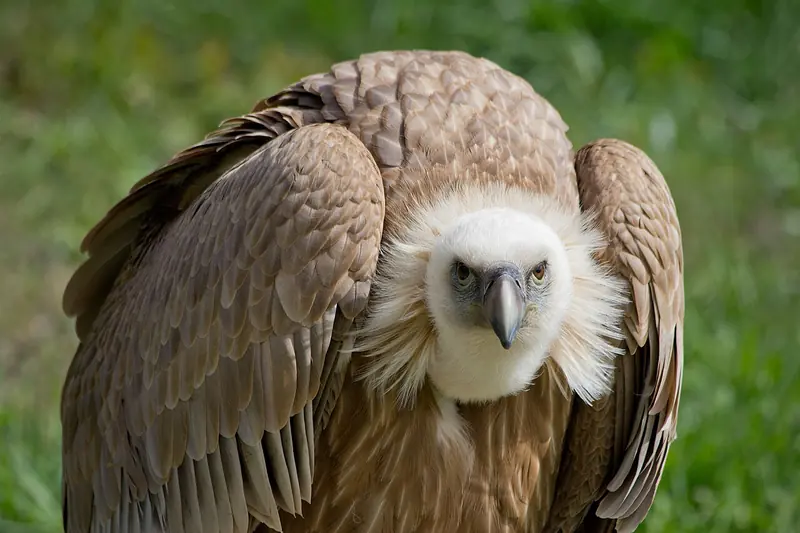 Photo Carlos Delgado, CC BY-SA 3.0, Wikimedia Commons
 Photo Clemens Stockner, CC BY-SA 4.0, Wikimedia Commons
 Photo William Stephens, CC BY 4.0, Wikimedia Commons
 Photo Böhringer Friedrich, CC BY-SA 2.5, Wikimedia Commons
 Photo Wilfredor, CC0, Wikimedia Commons
 Photo Jakub Hałun, CC BY 4.0, Wikimedia Commons
 Photo AlexSchubert2801, CC BY-SA 3.0 at, Wikimedia Commons