Tierwelt Herberstein with children: what to see, map and route
Tierwelt Herberstein. In the Turi app, the same map shows your position, guides you from point to point and lets you tick off the places you’ve visited.
The visit starts at the main entrance with the ticket office, right next to three free car parks, and ends at Herberstein Castle, from where you walk back to the car park through the gardens and the zoo, steeply uphill in places. The RegioBus 209 from Weiz (reached from Graz on lines 200 and 201) runs only seasonally, most recently on Saturdays, Sundays and public holidays from May to September, so check the current timetable. Out of season, your options are a car, or bus 300 from Graz to Kaibing and from there a taxi booked in advance. If you are already in the zoo, Turi will guide you from the nearest point. Admission is charged, and the ticket includes a guided tour of the castle, the House of Biodiversity and the gardens; only the Herbie's Spielewelt play hall costs extra. From 2 November the ticket office is open daily from 10:00 to 15:30, you can stay in the park until 16:00, the House of Biodiversity is open from 11:00 to 15:00, the play hall only at weekends, on public holidays and during school holidays, and in winter the feedings with commentary take place only at weekends; the zoo is closed on 25 December and 1 January. The paths are mostly gravel and some have a gradient of 11-20 per cent, especially the climb to the Panoramaplatzl and the paths around the castle, so a pushchair needs all-terrain wheels. There are toilets at the main entrance, at the Zooschenke, on the Panoramaplatzl, in the American section next to the Arctic wolf enclosure, at the Familienrestaurant and at the castle. Dogs are allowed on a lead. Allow about 3 hours.
At home, open the place in Turi and tap “Save for offline”: the map, descriptions and photos will work without signal.
Visit the farthest points first, while you still have energy.
Tick things off as you go, and by the exit you’ll know what’s left.
Tierwelt Herberstein in the Turi app
Live position, a route from point to point, descriptions to read and listen to. Free, no account, in 12 languages.
The same map as in the app. Tap a point to see its photo and description; in Turi you’ll see yourselves on it too.
1recommended, in route orderother pointsWCtoilets, food, tickets
Something not right? Report it in the app at that point.
Worth seeing
Tierwelt Herberstein is Styria's state zoo and one of the largest wildlife parks in Central Europe: around 700 animals from more than 90 species live on a hillside above the gorge of the river Feistritz. The enclosures are arranged by continent, from Arctic wolves and bison to Barbary lions and cheetahs. It all began in the mid-17th century, when Baron Johann Maximilian I of the House of Herberstein brought fallow deer here from Italy. The walk ends at Herberstein Castle, home to the family for 22 generations.
Photo Mildeep, CC BY-SA 4.0, Wikimedia Commons1
Animals
Red pandas
The red panda lives in cool mountain forests with dense bamboo in Nepal, India, Bhutan, Tibet and western China. Its enclosure has its own air conditioning, because the panda feels unwell at temperatures above about 25 degrees. Bamboo is not very nutritious, so a young panda eats up to 2 kilograms of leaves a day. Fewer than 10 thousand adults are left in the wild. The pandas share their enclosure with muntjacs, small deer from Asia.
Photo T R Shankar Raman, CC BY 4.0, Wikimedia Commons2
Animals
Takins
Takins come from the mountains of Bhutan, China, India and northern Myanmar. In summer they graze in large herds on alpine meadows, as high as 4500 metres, and in winter they come down to sheltered forests. The toes of their hooves spread apart independently, so a takin keeps a sure footing even on snow. When danger threatens, the adults form a circle around the young. A male can weigh as much as 350 kilograms.
Photo 1966mhl1, CC BY-SA 4.0, Wikimedia Commons3
Animals
Mountain zebras and wildebeest
In this enclosure, Hartmann's mountain zebras live together with blue wildebeest and get on with them very well. Mountain zebras come from the dry, rocky mountains of south-western Africa, from Namibia to Angola. Take a close look at the stripes: they are more dark brown and beige than black and white. A foal follows its mother within a few minutes of being born, and for several weeks the mare keeps it away from the herd, most likely so that it learns her stripe pattern.
Photo Cephas, CC BY-SA 4.0, Wikimedia Commons4
Animals
Bison
Around 1700, as many as 60 million bison lived in North America. After mass hunting by settlers in the late 19th century, fewer than 900 were left, and Yellowstone National Park, founded in 1872, helped to save the species. An adult bull weighs up to 900 kilograms and stands up to 190 centimetres at the shoulder, yet it can run at up to 50 kilometres per hour. A small herd lives on the meadow at Herberstein.
Photo Musicaline, CC BY-SA 4.0, Wikimedia Commons5
Animals
Arctic wolves
Arctic wolves come from the islands of the Canadian Arctic and from Greenland, hence their snow-white coat. In the pack, males and females have separate hierarchies, which are settled anew in skirmishes every autumn. Usually only the top-ranking pair has young, and the wolf at the very bottom waits to eat last. This is easiest to see at feeding time, when the pack's order at the bowl becomes clear.
Photo Wilfredor, CC0, Wikimedia Commons6
Animals
Spectacled bears
The spectacled bear, also called the Andean bear, is the only large bear in South America and lives in the Andes from Panama to Bolivia. It owes its name to the pale markings around its eyes, which often look like glasses, although some individuals are completely black. Up to 96 per cent of its food is plants and fruit, especially bromeliads growing high up in the trees, so it is an excellent climber. Thanks to this diet, it does not need to hibernate.
Photo PtrQs, CC BY-SA 4.0, Wikimedia Commons7
Animals
Przewalski's horses
The species is named after the explorer Nikolai Przhevalsky, who in 1878 brought the skin and skull of one of these horses to Saint Petersburg. By the late 60s of the 20th century, these horses had vanished from the wild on the steppes of Mongolia. They survived thanks to a few animals that reached European zoos at the beginning of the 20th century, and thanks to joint breeding by zoos. In 1992 the first horses returned to Mongolia, and today more than 700 of them live in zoos.
Photo Giles Laurent, CC BY-SA 4.0, Wikimedia Commons8
Animals
South America House
Tapirs, capybaras, maras, red-and-green macaws and two-toed sloths live here together. The tapir has a short trunk formed from its upper lip and nose, which it uses to smell, touch and grab leaves, and it is also a great swimmer and diver. Although its pale-striped young look like piglets, the tapir is related to rhinos and horses, not pigs. Look for the sloth high above its housemates: it sleeps up to 20 hours a day, and cyanobacteria grow in its fur, making it look like a tuft of lichen.
Photo ArgentinaTurismo, CC BY 4.0, Wikimedia Commons9
Animals
Puma and Panoramaplatzl
The puma rock is the highest point in the zoo, and next to it, on the Panoramaplatzl, there is a place to rest with a view. The puma, also called the mountain lion, lives from south-western Canada to South America, from semi-deserts to high mountains. It is a record-breaking jumper: during the demonstration at Herberstein, its prey hangs on a line about 3 metres above the ground and the puma leaps up to get it, with its long tail helping it land on all four paws. Fun fact: a puma can purr, but it cannot roar.
Photo Mathias Appel, CC0, Wikimedia Commons10
Animals
Ruffed lemurs
The ruffed lemur enclosure is by the pond next to the historic garden. Black-and-white ruffed lemurs live only in the rainforests of eastern Madagascar. Several times a day, males and females let out a loud, piercing roar to keep other groups away from their territory. They usually have twins, each weighing about 100 grams. Because of deforestation in Madagascar, they are on the brink of extinction.
Photo Szalay Gábor István, Magyarország, Budapest-04, CC BY-SA 3.0, Wikimedia Commons11
Building / monument
Herberstein Castle
Herberstein Castle, known as the Gartenschloss, stands on a 40-metre rock above the gorge of the river Feistritz. It was first mentioned in 1217 as Herwigstein, the seat of Herwig of Krottendorf, and this is where the name Herberstein comes from. Its expansion took more than 450 years: in the 16th century the fortress became a residence, and in the 17th century, under Johann Maximilian I, the Florentine Courtyard was built, modelled on Italian ones. The Herberstein family has lived here for 22 generations, and a guided tour is included in the zoo ticket. Beside the castle lies the Rose Garden, recreated in 1997 on the model of a Baroque garden.
Photo Niki.L, CC BY-SA 4.0, Wikimedia Commons12
Building / monument
House of Biodiversity
The House of Biodiversity is in the former castle barn, mentioned as early as 1593, which housed the Gironcoli Museum from 2004-2022. The exhibition opened in 2023 and has 5 interactive stations: you can design your own animal, find your matching butterfly with an iris scan and identify native beetles in the lab. Right next to it lies the Feistritz Gorge, a European protected area with more than 5000 species of animals, plants and fungi and the richest beetle population in Austria, including the great capricorn beetle and the stag beetle. Admission is included in the zoo ticket.
Photo Charles J. Sharp, CC BY-SA 4.0, Wikimedia Commons13
Animals
Bennett's wallabies
Bennett's wallabies, emus and black swans live together in the large Australian enclosure. Bennett's wallabies come from eastern and southern Australia and from Tasmania. A newborn wallaby weighs less than 1 gram, is the size of a coffee bean and climbs into its mother's pouch on its own, staying there until it is about 9 months old. When hopping it goes faster than 30 kilometres per hour, and when moving slowly it props itself up on its tail like a fifth leg.
Photo Michael J. Litzinger, CC BY-SA 4.0, Wikimedia Commons14
Animals
Barbary lions
The lions at Herberstein belong to the Barbary subspecies, the Atlas lions of North Africa. They were larger than other lions and had a dark, thick mane reaching the chest and belly. The last wild Barbary lion was reportedly killed in Morocco around 1920, and in 1970 the zoo in Rabat received lions from the private menagerie of King Hassan II, whose descendants were later sent out to zoos, mainly in Europe. A male's roar can be heard up to 8 kilometres away, but don't be surprised if the lions happen to be dozing: they sleep up to 18 hours a day.
Photo Sanjay Acharya, CC BY-SA 4.0, Wikimedia Commons15
Animals
Mandrills
The mandrills live here together with a small troop of green monkeys. The indoor area has passages too narrow for adult mandrills, so the more agile green monkeys have somewhere to hide. A male mandrill has blue ridges on its muzzle, a bright red nose and a golden-yellow beard, and weighs about 27 kilograms. On the same loop you will also see geladas from the Ethiopian Highlands, which eat mainly grass and communicate by voice more than any other monkey, in a great many ways.
Photo Liuthalas, CC BY-SA 4.0, Wikimedia Commons16
Animals
Cheetahs
The cheetah is the fastest land mammal, reaching speeds of up to 115 kilometres per hour. It was here at Herberstein, in the late 60s of the 20th century, that the world's first prey simulator for cheetahs was built, designed by Professor König together with the keepers. During the feeding with commentary, the cheetahs chase a piece of meat at about 70 kilometres per hour. Males often live in groups of 2 or 3, usually brothers.
All points (24)
Grouped as in the map legend. A star marks recommended points.
Animals 14
Red pandas ★The red panda lives in cool mountain forests with dense bamboo in Nepal, India, Bhutan, Tibet and western China. Its enclosure has its own air conditioning, because the panda feels unwell at temperatures above about 25 degrees. Bamboo is not very nutritious, so a young panda eats up to 2 kilograms of leaves a day. Fewer than 10 thousand adults are left in the wild. The pandas share their enclosure with muntjacs, small deer from Asia.
Takins ★Takins come from the mountains of Bhutan, China, India and northern Myanmar. In summer they graze in large herds on alpine meadows, as high as 4500 metres, and in winter they come down to sheltered forests. The toes of their hooves spread apart independently, so a takin keeps a sure footing even on snow. When danger threatens, the adults form a circle around the young. A male can weigh as much as 350 kilograms.
Mountain zebras and wildebeest ★In this enclosure, Hartmann's mountain zebras live together with blue wildebeest and get on with them very well. Mountain zebras come from the dry, rocky mountains of south-western Africa, from Namibia to Angola. Take a close look at the stripes: they are more dark brown and beige than black and white. A foal follows its mother within a few minutes of being born, and for several weeks the mare keeps it away from the herd, most likely so that it learns her stripe pattern.
Bison ★Around 1700, as many as 60 million bison lived in North America. After mass hunting by settlers in the late 19th century, fewer than 900 were left, and Yellowstone National Park, founded in 1872, helped to save the species. An adult bull weighs up to 900 kilograms and stands up to 190 centimetres at the shoulder, yet it can run at up to 50 kilometres per hour. A small herd lives on the meadow at Herberstein.
Arctic wolves ★Arctic wolves come from the islands of the Canadian Arctic and from Greenland, hence their snow-white coat. In the pack, males and females have separate hierarchies, which are settled anew in skirmishes every autumn. Usually only the top-ranking pair has young, and the wolf at the very bottom waits to eat last. This is easiest to see at feeding time, when the pack's order at the bowl becomes clear.
Spectacled bears ★The spectacled bear, also called the Andean bear, is the only large bear in South America and lives in the Andes from Panama to Bolivia. It owes its name to the pale markings around its eyes, which often look like glasses, although some individuals are completely black. Up to 96 per cent of its food is plants and fruit, especially bromeliads growing high up in the trees, so it is an excellent climber. Thanks to this diet, it does not need to hibernate.
Przewalski's horses ★The species is named after the explorer Nikolai Przhevalsky, who in 1878 brought the skin and skull of one of these horses to Saint Petersburg. By the late 60s of the 20th century, these horses had vanished from the wild on the steppes of Mongolia. They survived thanks to a few animals that reached European zoos at the beginning of the 20th century, and thanks to joint breeding by zoos. In 1992 the first horses returned to Mongolia, and today more than 700 of them live in zoos.
South America House ★Tapirs, capybaras, maras, red-and-green macaws and two-toed sloths live here together. The tapir has a short trunk formed from its upper lip and nose, which it uses to smell, touch and grab leaves, and it is also a great swimmer and diver. Although its pale-striped young look like piglets, the tapir is related to rhinos and horses, not pigs. Look for the sloth high above its housemates: it sleeps up to 20 hours a day, and cyanobacteria grow in its fur, making it look like a tuft of lichen.
Puma and Panoramaplatzl ★The puma rock is the highest point in the zoo, and next to it, on the Panoramaplatzl, there is a place to rest with a view. The puma, also called the mountain lion, lives from south-western Canada to South America, from semi-deserts to high mountains. It is a record-breaking jumper: during the demonstration at Herberstein, its prey hangs on a line about 3 metres above the ground and the puma leaps up to get it, with its long tail helping it land on all four paws. Fun fact: a puma can purr, but it cannot roar.
Ruffed lemurs ★The ruffed lemur enclosure is by the pond next to the historic garden. Black-and-white ruffed lemurs live only in the rainforests of eastern Madagascar. Several times a day, males and females let out a loud, piercing roar to keep other groups away from their territory. They usually have twins, each weighing about 100 grams. Because of deforestation in Madagascar, they are on the brink of extinction.
Bennett's wallabies ★Bennett's wallabies, emus and black swans live together in the large Australian enclosure. Bennett's wallabies come from eastern and southern Australia and from Tasmania. A newborn wallaby weighs less than 1 gram, is the size of a coffee bean and climbs into its mother's pouch on its own, staying there until it is about 9 months old. When hopping it goes faster than 30 kilometres per hour, and when moving slowly it props itself up on its tail like a fifth leg.
Barbary lions ★The lions at Herberstein belong to the Barbary subspecies, the Atlas lions of North Africa. They were larger than other lions and had a dark, thick mane reaching the chest and belly. The last wild Barbary lion was reportedly killed in Morocco around 1920, and in 1970 the zoo in Rabat received lions from the private menagerie of King Hassan II, whose descendants were later sent out to zoos, mainly in Europe. A male's roar can be heard up to 8 kilometres away, but don't be surprised if the lions happen to be dozing: they sleep up to 18 hours a day.
Mandrills ★The mandrills live here together with a small troop of green monkeys. The indoor area has passages too narrow for adult mandrills, so the more agile green monkeys have somewhere to hide. A male mandrill has blue ridges on its muzzle, a bright red nose and a golden-yellow beard, and weighs about 27 kilograms. On the same loop you will also see geladas from the Ethiopian Highlands, which eat mainly grass and communicate by voice more than any other monkey, in a great many ways.
Cheetahs ★The cheetah is the fastest land mammal, reaching speeds of up to 115 kilometres per hour. It was here at Herberstein, in the late 60s of the 20th century, that the world's first prey simulator for cheetahs was built, designed by Professor König together with the keepers. During the feeding with commentary, the cheetahs chase a piece of meat at about 70 kilometres per hour. Males often live in groups of 2 or 3, usually brothers.
Building / monument 2
Herberstein Castle ★Herberstein Castle, known as the Gartenschloss, stands on a 40-metre rock above the gorge of the river Feistritz. It was first mentioned in 1217 as Herwigstein, the seat of Herwig of Krottendorf, and this is where the name Herberstein comes from. Its expansion took more than 450 years: in the 16th century the fortress became a residence, and in the 17th century, under Johann Maximilian I, the Florentine Courtyard was built, modelled on Italian ones. The Herberstein family has lived here for 22 generations, and a guided tour is included in the zoo ticket. Beside the castle lies the Rose Garden, recreated in 1997 on the model of a Baroque garden.
House of Biodiversity ★The House of Biodiversity is in the former castle barn, mentioned as early as 1593, which housed the Gironcoli Museum from 2004-2022. The exhibition opened in 2023 and has 5 interactive stations: you can design your own animal, find your matching butterfly with an iris scan and identify native beetles in the lab. Right next to it lies the Feistritz Gorge, a European protected area with more than 5000 species of animals, plants and fungi and the richest beetle population in Austria, including the great capricorn beetle and the stag beetle. Admission is included in the zoo ticket.
Toilets / tickets / parking 8
Main entranceThe visit starts at the main entrance with the ticket office. In the mid-17th century, Baron Johann Maximilian I of Herberstein decided that the steep slopes were no good for farming but well suited to animals, and brought fallow deer here from Italy. The park opened to visitors in the late 60s of the 20th century, and that is when the first exotic species arrived. Since 2006 the zoo has belonged to the federal state of Styria. The route leads first through Asia and the Americas, then through Africa and Australia, all the way to the castle above the Feistritz Gorge.

 Photo Liuthalas, CC BY-SA 4.0, Wikimedia Commons

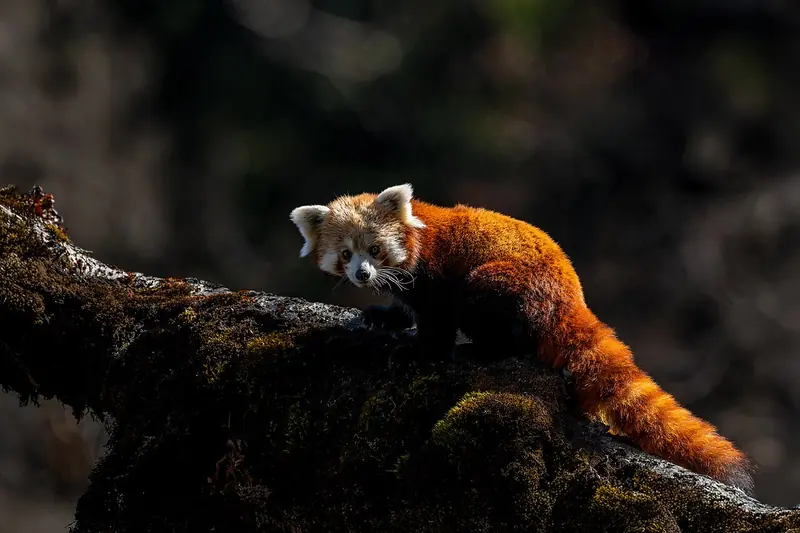 Photo Mildeep, CC BY-SA 4.0, Wikimedia Commons1
 Photo T R Shankar Raman, CC BY 4.0, Wikimedia Commons
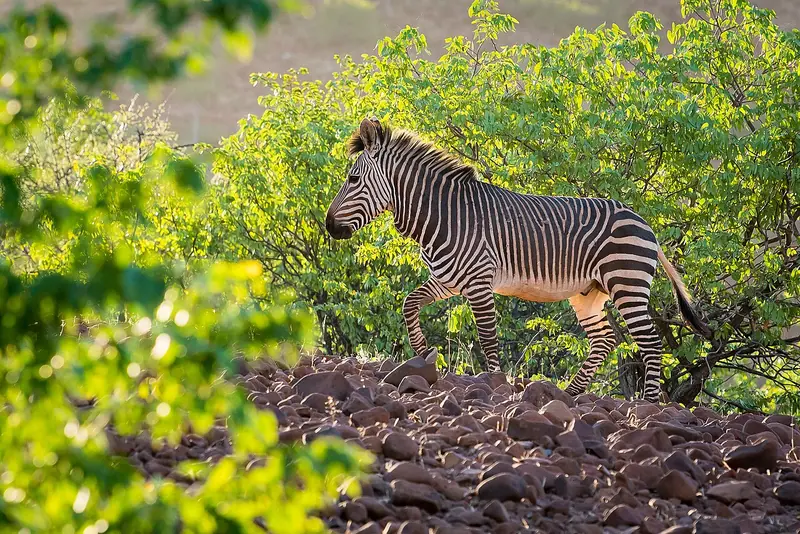 Photo 1966mhl1, CC BY-SA 4.0, Wikimedia Commons
 Photo Cephas, CC BY-SA 4.0, Wikimedia Commons
 Photo Musicaline, CC BY-SA 4.0, Wikimedia Commons
 Photo Wilfredor, CC0, Wikimedia Commons
 Photo PtrQs, CC BY-SA 4.0, Wikimedia Commons
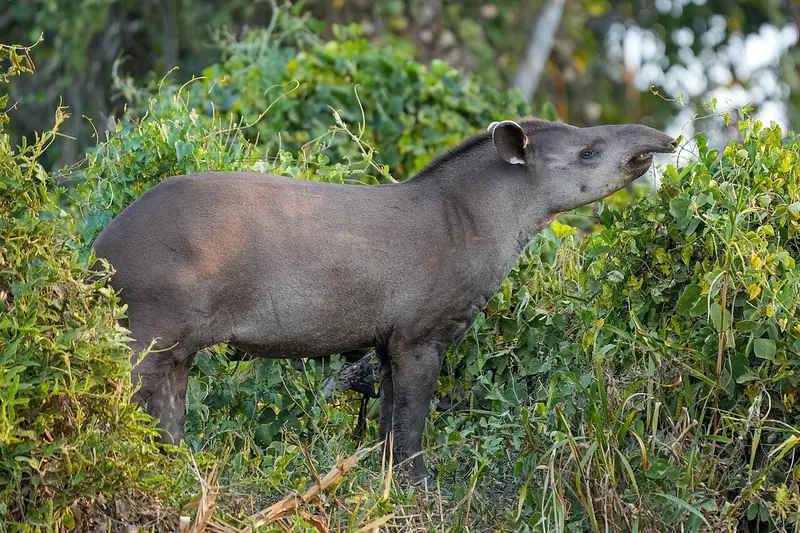 Photo Giles Laurent, CC BY-SA 4.0, Wikimedia Commons
 Photo ArgentinaTurismo, CC BY 4.0, Wikimedia Commons
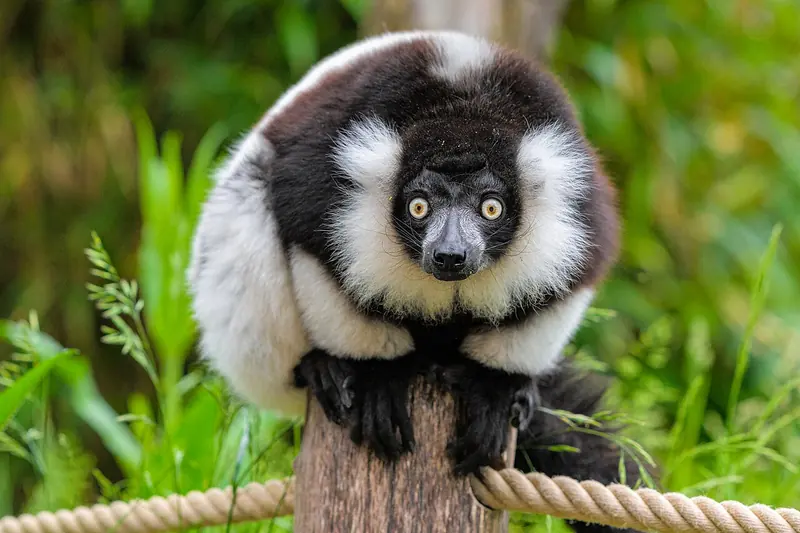 Photo Mathias Appel, CC0, Wikimedia Commons
 Photo Szalay Gábor István, Magyarország, Budapest-04, CC BY-SA 3.0, Wikimedia Commons
 Photo Niki.L, CC BY-SA 4.0, Wikimedia Commons
 Photo Charles J. Sharp, CC BY-SA 4.0, Wikimedia Commons
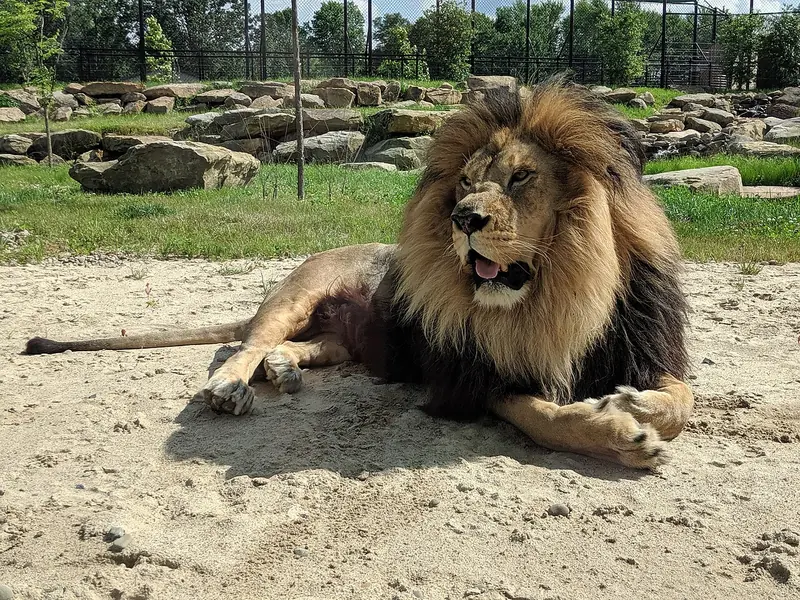 Photo Michael J. Litzinger, CC BY-SA 4.0, Wikimedia Commons
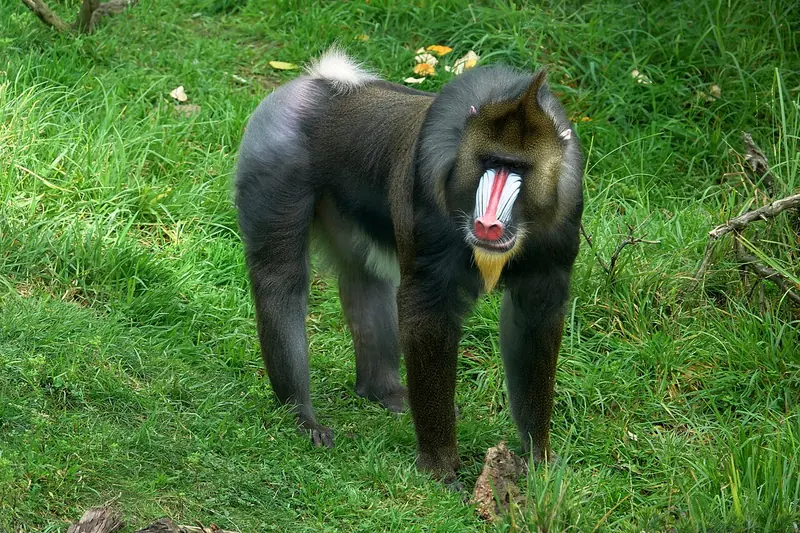 Photo Sanjay Acharya, CC BY-SA 4.0, Wikimedia Commons
 Photo C.Stadler/Bwag, CC BY-SA 4.0, Wikimedia Commons
 Photo Ralf Roletschek, CC BY-SA 3.0 at, Wikimedia Commons
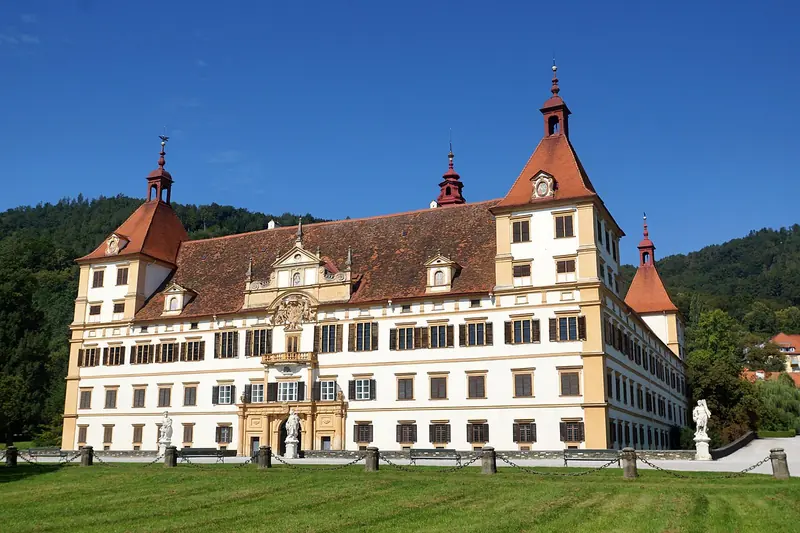 Photo Allie_Caulfield from Germany, CC BY 2.0, Wikimedia Commons