Old Town and Castle Hill in Cieszyn: what to see, map and route
Old Town and Castle Hill in Cieszyn. In the Turi app, the same map shows your position, guides you from point to point and lets you tick off the places you’ve visited.
free entrymuseums and towers have separate tickets
The walk starts at the tourist information in the town hall on the Market Square, and the recommended route ends on Castle Hill, about a 10-minute walk from the square. If you are already in the centre, Turi will guide you from the nearest point. The old town stands on an escarpment: steep lanes lead down to the Well of the Three Brothers and the canal, and there is a climb up to Castle Hill. Walking around the town is free; tickets are needed for the Museum of Cieszyn Silesia, the Piast Tower and the inside of the rotunda. From the bridge you can walk over to Český Těšín. There are toilets by the Market Square, on Zamkowa Street and on Castle Hill.
At home, open the place in Turi and tap “Save for offline”: the map, descriptions and photos will work without signal.
Visit the farthest points first, while you still have energy.
Tick things off as you go, and by the exit you’ll know what’s left.
Old Town and Castle Hill in Cieszyn in the Turi app
Live position, a route from point to point, descriptions to read and listen to. Free, no account, in 12 languages.
The same map as in the app. Tap a point to see its photo and description; in Turi you’ll see yourselves on it too.
1recommended, in route orderother pointsWCtoilets, food, tickets
Map: OpenStreetMap (ODbL). Descriptions and photos: Turi and Wikimedia Commons. Something not right? Report it in the app at that point.
Worth seeing
Cieszyn lies on the Olza, which since 1920 has divided it into a Polish and a Czech part. The walk starts on the Market Square with the town hall and St Florian’s fountain, leads to the oldest museum in Poland and the church with the tombs of the Piasts, and goes down to the legendary Well of the Three Brothers and the mill canal known as Cieszyn Venice. It ends with the border bridge on the Olza and Castle Hill, with the Romanesque rotunda from the 20-złoty banknote and the Piast Tower.
Photo SuperGlob, CC BY 3.0, Wikimedia Commons1
Building / monument
Town hall
The classicist town hall on the south side of the Market Square was built after the greatest fire in Cieszyn’s history, on 6 May 1789. It was designed by Ignacy Chambrez, opened in 1800, and the tower was added a year later. After another fire, in 1836, the interiors were rebuilt to plans by Joseph Kornhäusel. At noon a bugle call sounds from the tower, composed for the 1150th anniversary of the town’s legendary founding.
Photo LuzynaS, CC BY-SA 3.0, Wikimedia Commons2
Attraction
Market Square and St Florian’s fountain
The Market Square was laid out in 1496 by decision of Duke Casimir II and is surrounded by arcaded houses. In the middle stands a fountain with a figure of St Florian from 1770, attributed to the sculptor Wacław Donay of Skoczów. Before that there was a well with a statue of Neptune, of which only the stone head survives, now in the Museum of Cieszyn Silesia. A rail set into the paving marks the route of the tram that from 1911 ran through the town and over the bridge on the Olza.
Photo Hons084, CC BY-SA 3.0 pl, Wikimedia Commons3
Building / monument
Museum of Cieszyn Silesia
The oldest public museum in Poland was founded in 1802 by Father Leopold Jan Szersznik, a teacher and collector; his monument stands by the entrance. The museum is housed in the palace of the Counts Larisch, built after the great fire of 1789. In 1805 Emperor Francis I received Tsar Alexander I and Marshal Kutuzov here, and concerts and balls were held for the guests in the Egyptian Hall. Admission to the museum requires a ticket.
Photo SuperGlob, CC BY 4.0, Wikimedia Commons4
Building / monument
St Mary Magdalene’s Church
The oldest Catholic church in Cieszyn was built around 1263 as the church of a Dominican monastery. All the Piast dukes of Cieszyn are buried here, but of the old tombs only a fifteenth-century Gothic effigy of Duke Przemysław I Noszak survives. After the town fire of 1789 the church received a late Baroque and classicist façade with a tower and became the parish church. The interior is Baroque, with a high altar from 1795.
Photo SuperGlob, CC BY-SA 4.0, Wikimedia Commons5
Attraction
Głęboka Street
The most important shopping street of old Cieszyn links the Market Square with Castle Hill. Its name, meaning “deep”, comes from the sunken roadway flanked on both sides by raised pavements. In 1514 it was recorded as Polish Street, because it was part of the route from Moravia to Poland. Several dozen historic houses line it, with shops and workshops, many with old shopfronts.
Photo Hons084, CC BY-SA 3.0 pl, Wikimedia Commons6
Building / monument
Adam Mickiewicz Theatre
The theatre was designed by the Viennese architects Ferdinand Fellner and Hermann Helmer, who built 48 theatres, including ones in Vienna and Toruń. It opened on 24 September 1910 with the announcement that not a single Polish word would ever be spoken on its stage. Ten years later, on 14 December 1920, the first Polish play was performed here, Fredro’s comedy “Revenge”. Today the auditorium has 630 seats.
Photo SuperGlob, CC BY 3.0, Wikimedia Commons7
Attraction
Well of the Three Brothers
According to legend, in 810 three brothers, Bolko, Leszko and Cieszko, met at this spring after long wanderings and, rejoicing at the meeting, founded the town. Historians believe the tale only arose in the mid-nineteenth century, and the oldest record of Cieszyn dates from 1155. The well probably served the townspeople as early as the Middle Ages. The cast-iron pavilion was cast in 1868 at the ironworks in Třinec, and inside there are plaques with the legend.
Photo SuperGlob, CC BY 3.0, Wikimedia Commons8
Attraction
Cieszyn Venice
Przykopa Street runs along the Młynówka, an artificial canal at the foot of the escarpment on which the old town stands. The eighteenth- and nineteenth-century houses belonged to tanners, weavers, clothmakers and smiths, who needed constant access to water, and little bridges over the canal lead to their doors. Hence the comparison with Venice, which probably caught on in the second half of the twentieth century.
Photo Milosz B., CC BY 3.0, Wikimedia Commons9
Attraction
Friendship Bridge on the Olza
Here the Olza is the border between Poland and the Czech Republic. On 28 July 1920 the Conference of Ambassadors divided Cieszyn Silesia and cut the town itself along the river: the old town with the market square and the castle stayed on the Polish side, while the station, the waterworks and the gasworks ended up in the Czech part, named Český Těšín. Until 2007 there was a border crossing on the bridge; today you can walk across without any checks.
Photo Hons084, CC BY-SA 3.0 pl, Wikimedia Commons10
Building / monument
Habsburg Hunting Lodge
The classicist palace at the foot of Castle Hill was built in 1838-1840 by the Viennese architect Joseph Kornhäusel for Archduke Charles Louis of Habsburg, on the remains of the lower castle. The Habsburgs rarely came, but Emperor Franz Joseph I stayed here three times. In 1918 it was the seat of the National Council of the Duchy of Cieszyn, the first Polish authority in Cieszyn Silesia. Since 1947 part of the palace has housed a music school.
Photo LuzynaS, CC BY-SA 3.0, Wikimedia Commons11
Building / monument
St Nicholas Rotunda
This Romanesque rotunda from the eleventh or twelfth century is the only one in Poland that has survived together with its stone vault. The round nave is 6.4 metres across inside, and the walls of limestone blocks are about a metre thick. It was the chapel of the stronghold on the hill and, until 1240, also Cieszyn’s parish church. It appears on the back of the Polish 20-złoty banknote.
Photo Marcin Konsek, CC BY-SA 3.0 pl, Wikimedia Commons12
Building / monument
Piast Tower
The only surviving one of the four towers of the castle of the Dukes of Cieszyn, built in the first half of the fourteenth century. It is almost 30 metres tall, and 120 steps lead to the top. The castle was ruined in the Thirty Years’ War: in 1647 the Austrians bombarded the Swedes holding out inside, and the ruins were pulled down in 1839. There is a fee to climb the tower, and from the top you can see both Cieszyns on either side of the Olza and, in good weather, the Beskid mountains.
Photo Scotch Mist, CC BY-SA 4.0, Wikimedia Commons13
Attraction
Viewing terrace above the Olza
From the terrace on the western edge of Castle Hill you can see the Olza and Český Těšín. The hill stands 298 metres above sea level and has steep slopes, which is why people settled here as early as antiquity. In the tenth century a stronghold was built here, recorded as Tessin in a bull of Pope Adrian IV in 1155, and it was the beginning of the town. After the castle ruins were cleared, the hill was turned into a romantic park with old trees.
All points (19)
Grouped as in the map legend. A star marks recommended points.
Building / monument 9
Town hall ★The classicist town hall on the south side of the Market Square was built after the greatest fire in Cieszyn’s history, on 6 May 1789. It was designed by Ignacy Chambrez, opened in 1800, and the tower was added a year later. After another fire, in 1836, the interiors were rebuilt to plans by Joseph Kornhäusel. At noon a bugle call sounds from the tower, composed for the 1150th anniversary of the town’s legendary founding.
Museum of Cieszyn Silesia ★The oldest public museum in Poland was founded in 1802 by Father Leopold Jan Szersznik, a teacher and collector; his monument stands by the entrance. The museum is housed in the palace of the Counts Larisch, built after the great fire of 1789. In 1805 Emperor Francis I received Tsar Alexander I and Marshal Kutuzov here, and concerts and balls were held for the guests in the Egyptian Hall. Admission to the museum requires a ticket.
St Mary Magdalene’s Church ★The oldest Catholic church in Cieszyn was built around 1263 as the church of a Dominican monastery. All the Piast dukes of Cieszyn are buried here, but of the old tombs only a fifteenth-century Gothic effigy of Duke Przemysław I Noszak survives. After the town fire of 1789 the church received a late Baroque and classicist façade with a tower and became the parish church. The interior is Baroque, with a high altar from 1795.
Adam Mickiewicz Theatre ★The theatre was designed by the Viennese architects Ferdinand Fellner and Hermann Helmer, who built 48 theatres, including ones in Vienna and Toruń. It opened on 24 September 1910 with the announcement that not a single Polish word would ever be spoken on its stage. Ten years later, on 14 December 1920, the first Polish play was performed here, Fredro’s comedy “Revenge”. Today the auditorium has 630 seats.
Habsburg Hunting Lodge ★The classicist palace at the foot of Castle Hill was built in 1838-1840 by the Viennese architect Joseph Kornhäusel for Archduke Charles Louis of Habsburg, on the remains of the lower castle. The Habsburgs rarely came, but Emperor Franz Joseph I stayed here three times. In 1918 it was the seat of the National Council of the Duchy of Cieszyn, the first Polish authority in Cieszyn Silesia. Since 1947 part of the palace has housed a music school.
St Nicholas Rotunda ★This Romanesque rotunda from the eleventh or twelfth century is the only one in Poland that has survived together with its stone vault. The round nave is 6.4 metres across inside, and the walls of limestone blocks are about a metre thick. It was the chapel of the stronghold on the hill and, until 1240, also Cieszyn’s parish church. It appears on the back of the Polish 20-złoty banknote.
Piast Tower ★The only surviving one of the four towers of the castle of the Dukes of Cieszyn, built in the first half of the fourteenth century. It is almost 30 metres tall, and 120 steps lead to the top. The castle was ruined in the Thirty Years’ War: in 1647 the Austrians bombarded the Swedes holding out inside, and the ruins were pulled down in 1839. There is a fee to climb the tower, and from the top you can see both Cieszyns on either side of the Olza and, in good weather, the Beskid mountains.
Church of JesusThe largest Lutheran church in Poland was built in the early eighteenth century as a “church of grace”, under the Convention of Altranstädt between King Charles XII of Sweden and Emperor Joseph I. It has 3,500 seats and holds about 7,000 people. For several decades it was the only Lutheran church within more than 70 kilometres, so worshippers came here from Moravia, Silesia and around Biała. It lies a few minutes from the Market Square, off the main route.
Castle BreweryConstruction of the brewery below the castle began around 1840 on the hillside, and it started brewing in 1846, at once on an industrial scale and in the Pilsner style. Beer from Cieszyn soon became popular throughout the Habsburg monarchy. The brewery is considered the longest continuously operating one in Poland.
Attraction 6
Market Square and St Florian’s fountain ★The Market Square was laid out in 1496 by decision of Duke Casimir II and is surrounded by arcaded houses. In the middle stands a fountain with a figure of St Florian from 1770, attributed to the sculptor Wacław Donay of Skoczów. Before that there was a well with a statue of Neptune, of which only the stone head survives, now in the Museum of Cieszyn Silesia. A rail set into the paving marks the route of the tram that from 1911 ran through the town and over the bridge on the Olza.
Głęboka Street ★The most important shopping street of old Cieszyn links the Market Square with Castle Hill. Its name, meaning “deep”, comes from the sunken roadway flanked on both sides by raised pavements. In 1514 it was recorded as Polish Street, because it was part of the route from Moravia to Poland. Several dozen historic houses line it, with shops and workshops, many with old shopfronts.
Well of the Three Brothers ★According to legend, in 810 three brothers, Bolko, Leszko and Cieszko, met at this spring after long wanderings and, rejoicing at the meeting, founded the town. Historians believe the tale only arose in the mid-nineteenth century, and the oldest record of Cieszyn dates from 1155. The well probably served the townspeople as early as the Middle Ages. The cast-iron pavilion was cast in 1868 at the ironworks in Třinec, and inside there are plaques with the legend.
Cieszyn Venice ★Przykopa Street runs along the Młynówka, an artificial canal at the foot of the escarpment on which the old town stands. The eighteenth- and nineteenth-century houses belonged to tanners, weavers, clothmakers and smiths, who needed constant access to water, and little bridges over the canal lead to their doors. Hence the comparison with Venice, which probably caught on in the second half of the twentieth century.
Friendship Bridge on the Olza ★Here the Olza is the border between Poland and the Czech Republic. On 28 July 1920 the Conference of Ambassadors divided Cieszyn Silesia and cut the town itself along the river: the old town with the market square and the castle stayed on the Polish side, while the station, the waterworks and the gasworks ended up in the Czech part, named Český Těšín. Until 2007 there was a border crossing on the bridge; today you can walk across without any checks.
Viewing terrace above the Olza ★From the terrace on the western edge of Castle Hill you can see the Olza and Český Těšín. The hill stands 298 metres above sea level and has steep slopes, which is why people settled here as early as antiquity. In the tenth century a stronghold was built here, recorded as Tessin in a bull of Pope Adrian IV in 1155, and it was the beginning of the town. After the castle ruins were cleared, the hill was turned into a romantic park with old trees.
Toilets / tickets / parking 4
Tourist information in the town hallThe walk starts at the tourist information in the town hall on the Market Square. The route goes round the square with St Florian’s fountain, looks into the oldest museum in Poland and the church with the tombs of the Piasts, goes down to the Well of the Three Brothers and the mill canal, and then leads to the Olza, onto the border bridge and up Castle Hill with the rotunda and the Piast Tower.

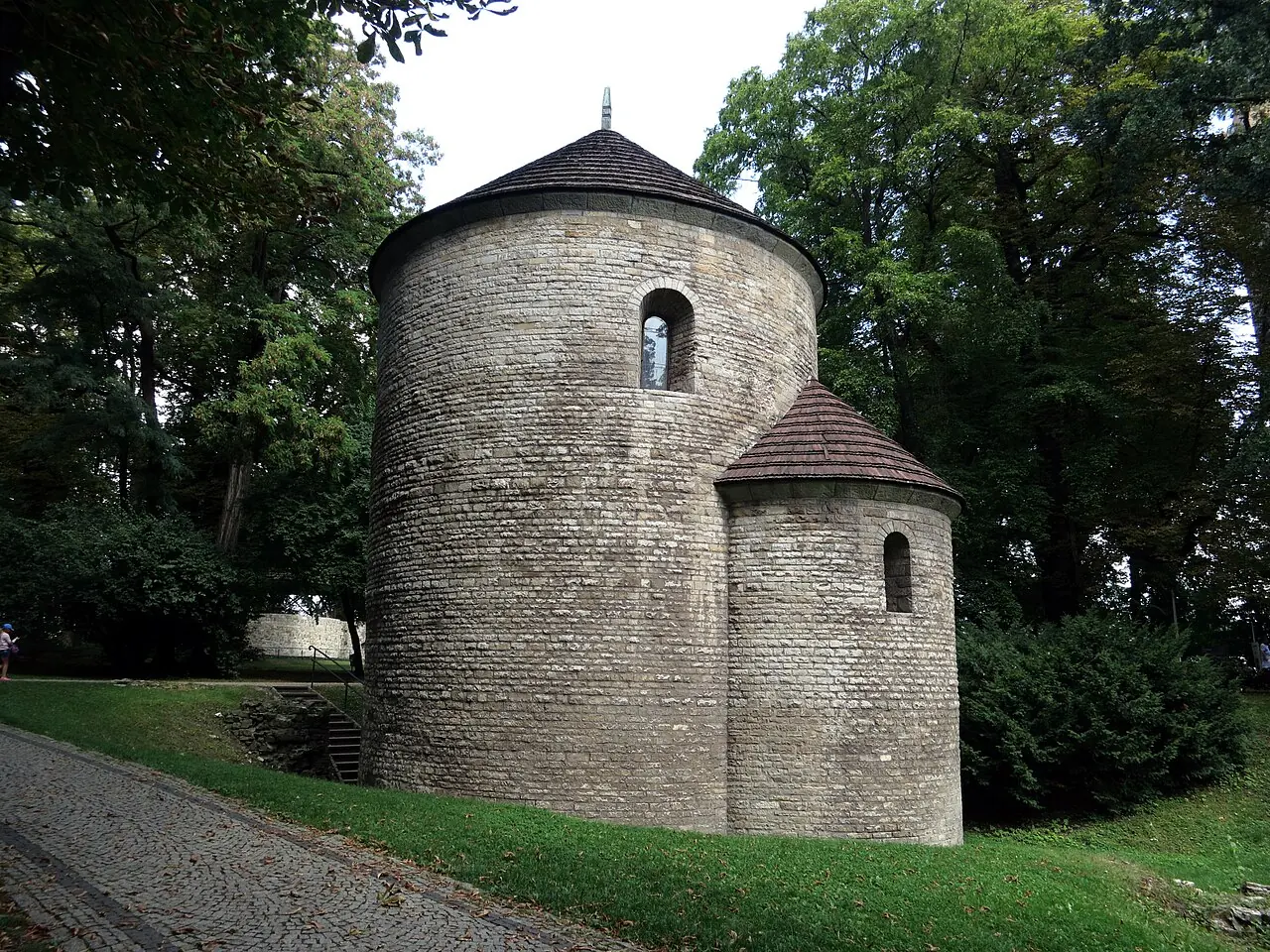 Photo LuzynaS, CC BY-SA 3.0, Wikimedia Commons

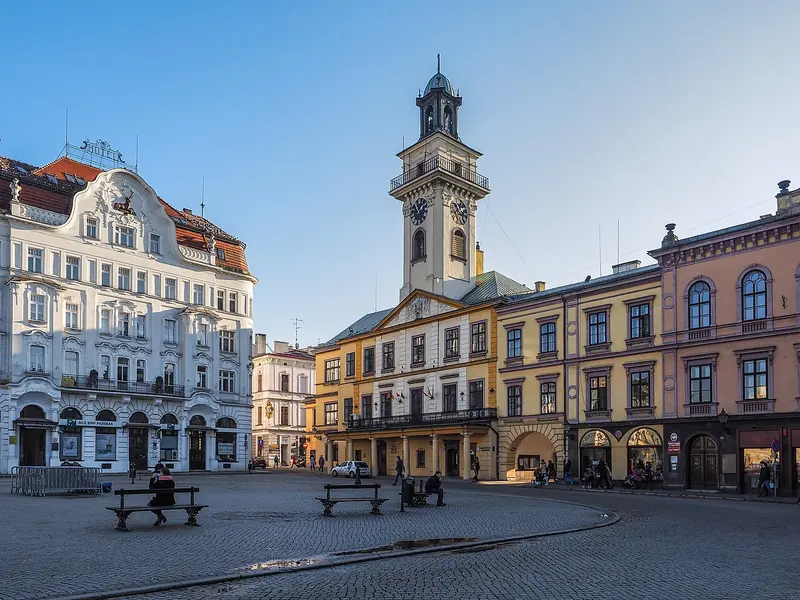 Photo SuperGlob, CC BY 3.0, Wikimedia Commons1
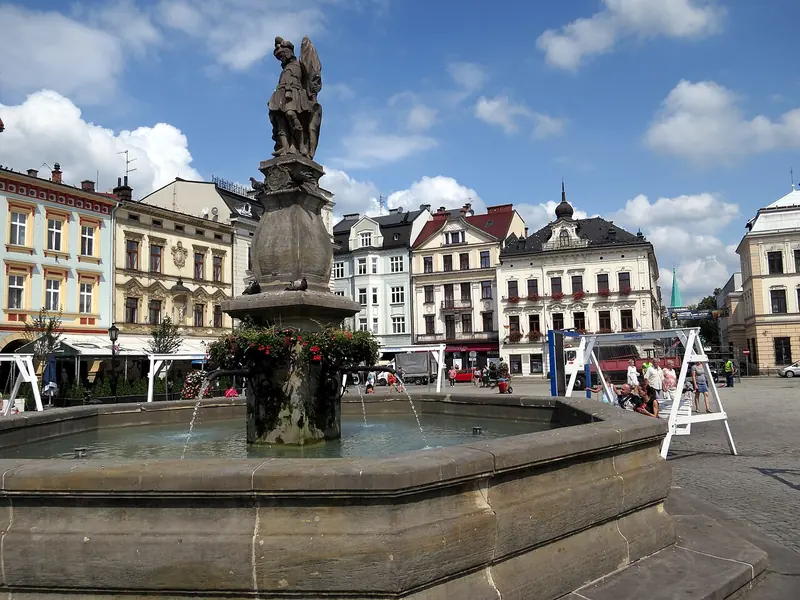 Photo LuzynaS, CC BY-SA 3.0, Wikimedia Commons
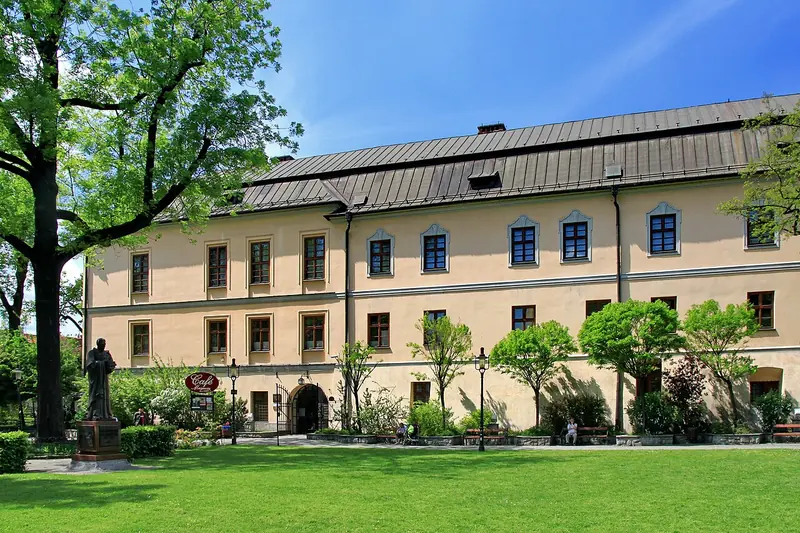 Photo Hons084, CC BY-SA 3.0 pl, Wikimedia Commons
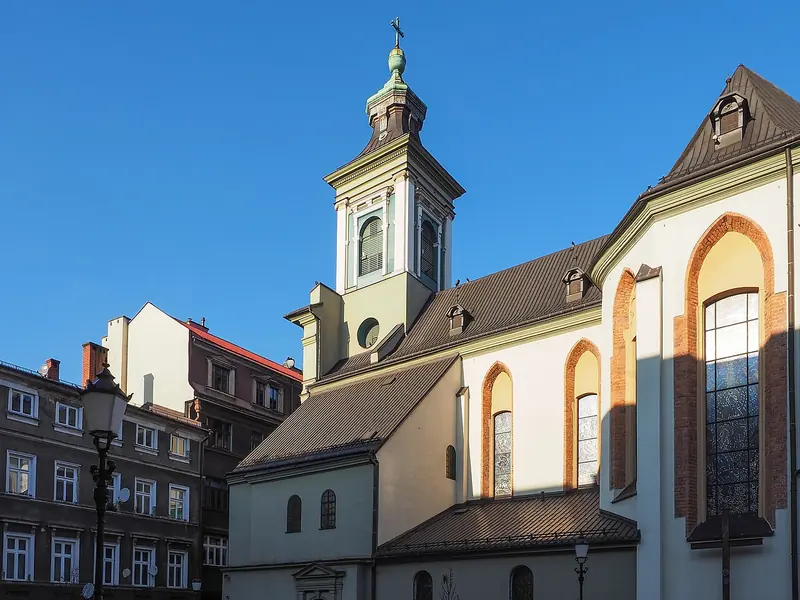 Photo SuperGlob, CC BY 4.0, Wikimedia Commons
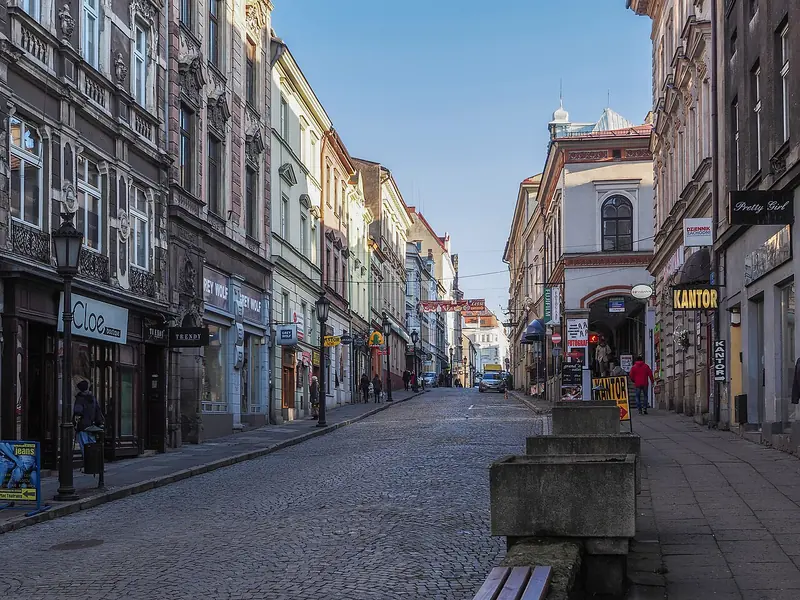 Photo SuperGlob, CC BY-SA 4.0, Wikimedia Commons
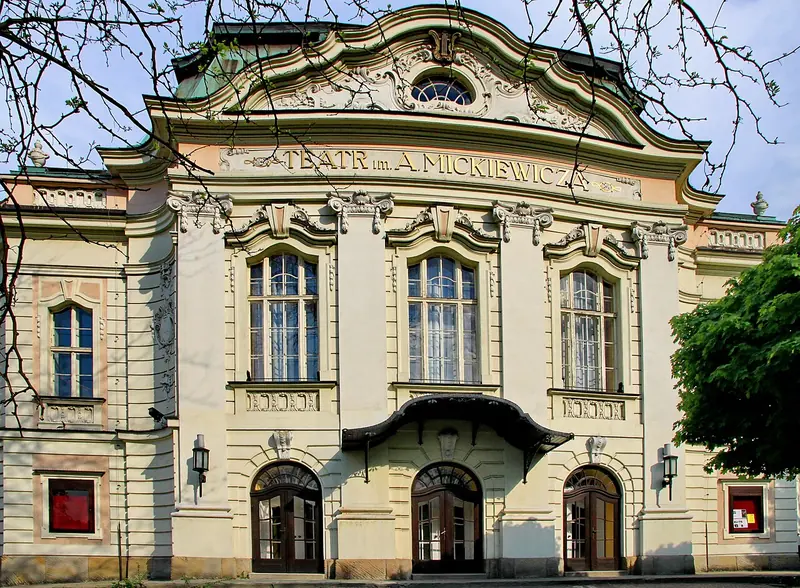 Photo Hons084, CC BY-SA 3.0 pl, Wikimedia Commons
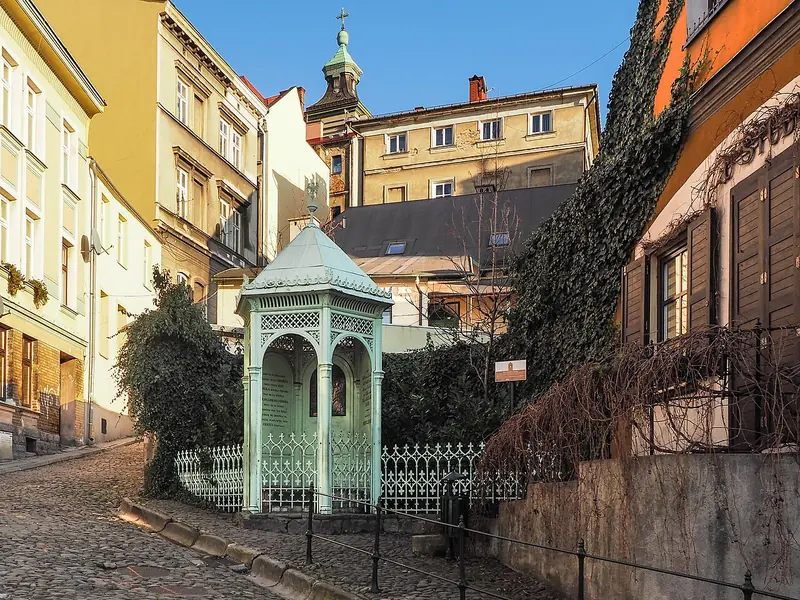 Photo SuperGlob, CC BY 3.0, Wikimedia Commons
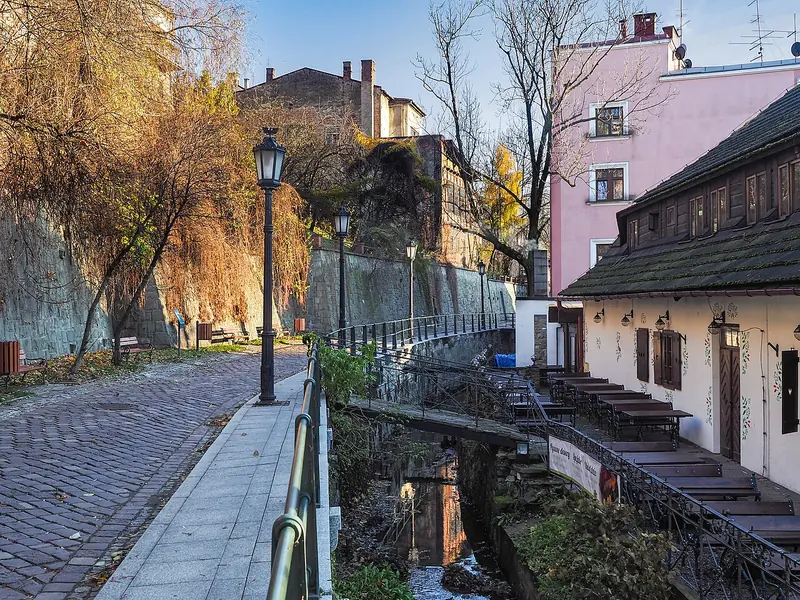 Photo SuperGlob, CC BY 3.0, Wikimedia Commons
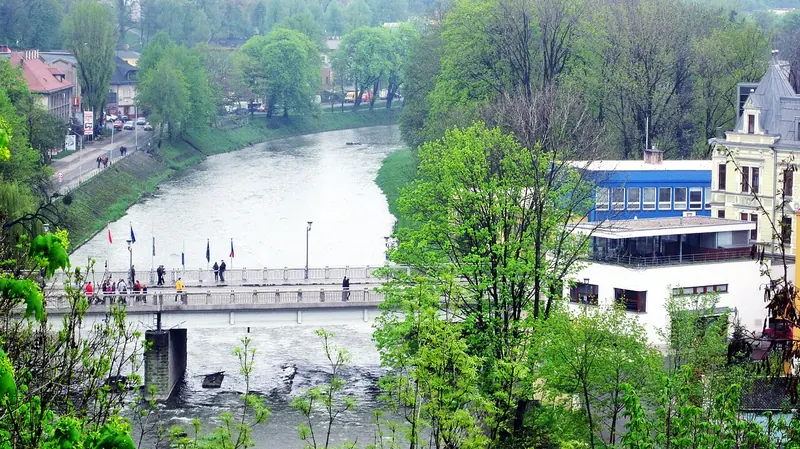 Photo Milosz B., CC BY 3.0, Wikimedia Commons
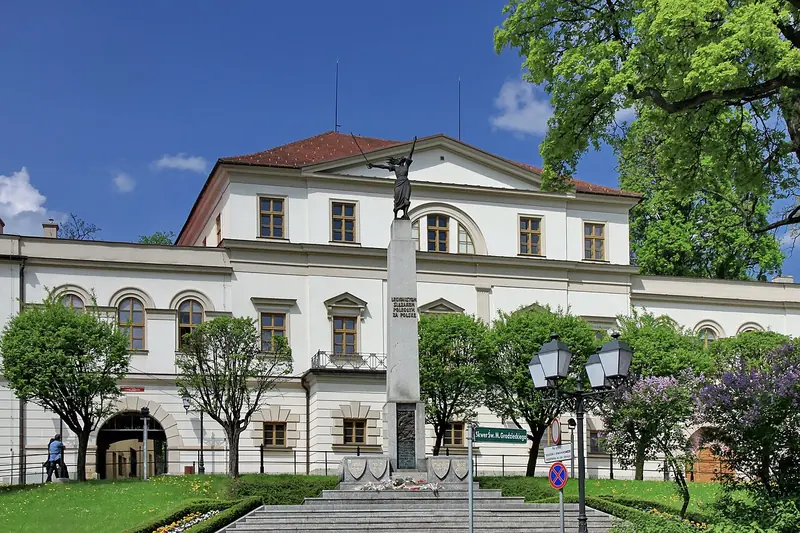 Photo Hons084, CC BY-SA 3.0 pl, Wikimedia Commons
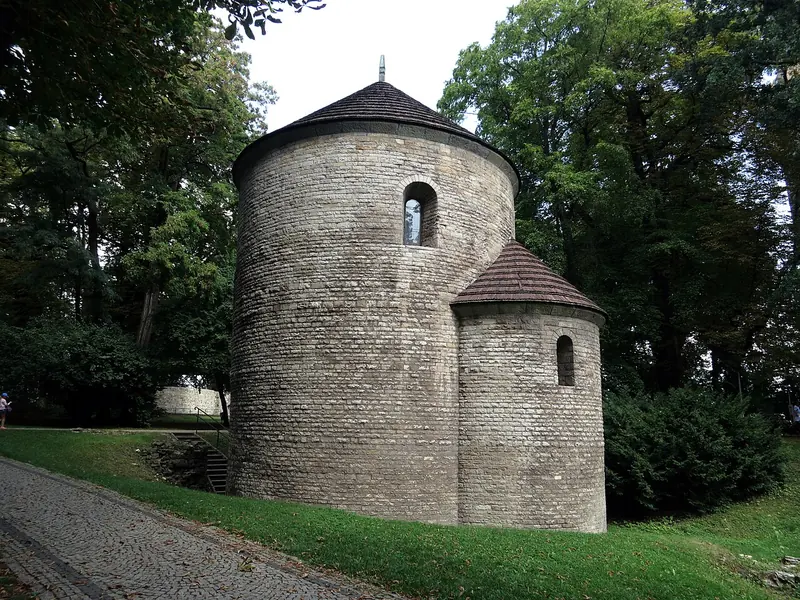 Photo LuzynaS, CC BY-SA 3.0, Wikimedia Commons
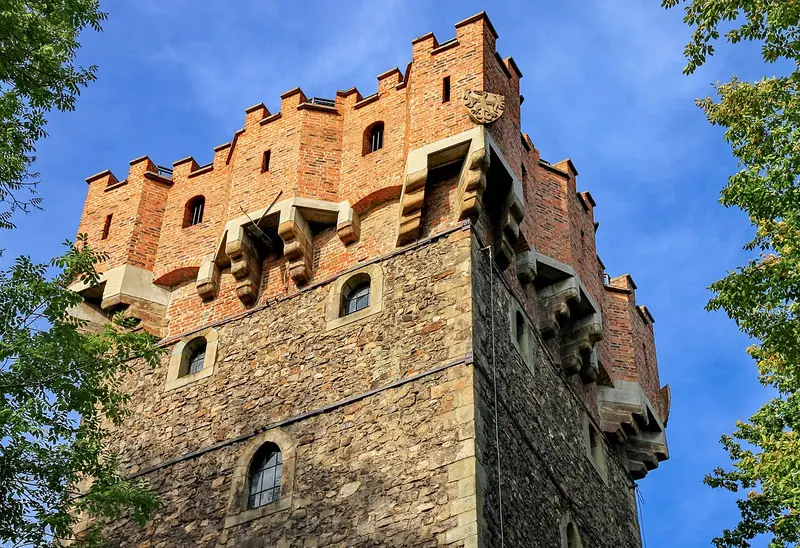 Photo Marcin Konsek, CC BY-SA 3.0 pl, Wikimedia Commons
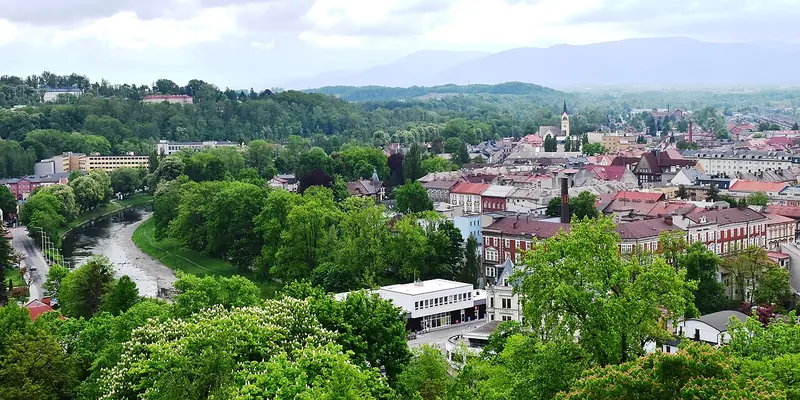 Photo Scotch Mist, CC BY-SA 4.0, Wikimedia Commons
 Photo Andrzej Otrębski, CC BY-SA 3.0, Wikimedia Commons
 Photo Krzysztof Bulla, CC BY-SA 4.0, Wikimedia Commons
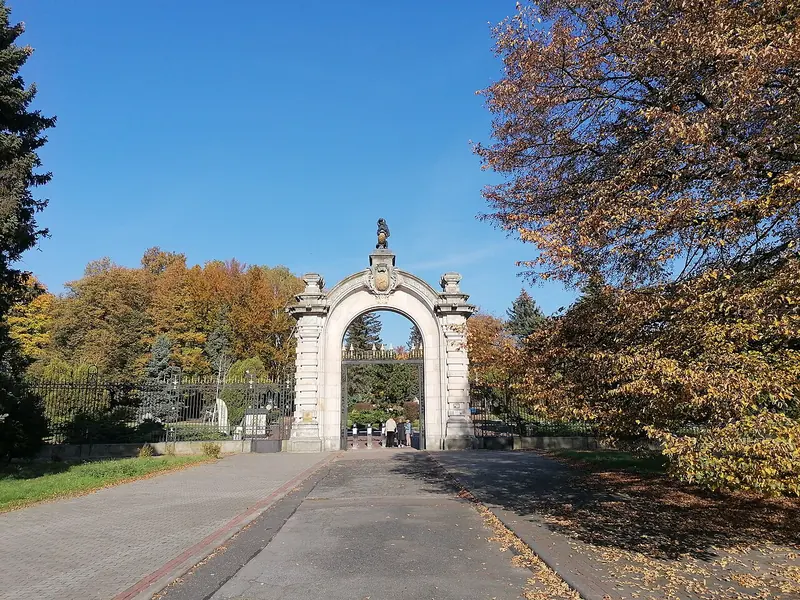 Photo Abraham, CC BY-SA 4.0, Wikimedia Commons